Das GERD-Dossier, wie es dokumentiert ist: Was wollen Ägypten, der Sudan und Äthiopien?
Seit 2011 hat der Streit um den äthiopischen Renaissance-Staudamm (GERD) trilaterale Gespräche, die Afrikanische Union und den UN-Sicherheitsrat durchlaufen. Ein neutraler Leitfaden dazu, was Ägypten, der Sudan und Äthiopien jeweils tatsächlich gefordert haben – und warum ein verbindliches Abkommen weiter in der Ferne liegt.
Nur wenige Dossiers der afrikanischen Diplomatie haben so viele Verhandlungen, Vermittlungsversuche und Schlagzeilen hervorgebracht wie der Große Äthiopische Renaissance-Staudamm, das gewaltige Wasserkraftprojekt, das Äthiopien am Blauen Nil errichtet hat. Seit der Ankündigung des Baubeginns im Jahr 2011 wurde der Damm in Dreierausschüssen, auf Präsidentengipfeln und in der Afrikanischen Union verhandelt und gelangte sogar vor den UN-Sicherheitsrat. Dennoch wird das Thema oft auf Schlagworte verkürzt. Wer es wirklich verstehen will, muss wissen, was jedes der drei Länder – Ägypten, Sudan und Äthiopien – tatsächlich als sein Ziel benannt hat und wo diese dokumentierten Positionen aufeinanderprallen.
Der Damm steht am Blauen Nil in der äthiopischen Region Benishangul-Gumuz, rund fünfzehn Kilometer von der sudanesischen Grenze entfernt. Er ist das größte Wasserkraftprojekt Afrikas und wurde um ein Speicherbecken herum geplant, das etwa 74 Milliarden Kubikmeter Wasser fassen kann. Seine Lage wiegt ebenso schwer wie seine Größe: Der Blaue Nil, der im äthiopischen Hochland entspringt, liefert den größten Teil des Wassers, das schließlich den Sudan und Ägypten erreicht. Was auf diesem Flussabschnitt geschieht, ist deshalb direkt oder indirekt im gesamten flussabwärts gelegenen Tal zu spüren.
Die äthiopische Position, seit mehr als einem Jahrzehnt unverändert vorgetragen, ruht auf zwei Pfeilern: Entwicklung und Souveränität. Dutzende Millionen Äthiopier leben ohne Strom, und Addis Abeba stellt den Damm als Motor der Industrialisierung und der Elektrifizierung des ländlichen Raums dar, finanziert überwiegend aus eigenen Mitteln, darunter Kampagnen für Volksanleihen. Äthiopische Vertreter betonen, ein Wasserkraftwerk verbrauche kein Wasser, sondern leite es durch Turbinen, und weisen die in der Kolonialzeit geschlossenen Nilabkommen zurück, an denen Äthiopien nie beteiligt war. In ihrer Darstellung ist das Projekt ein nationales Recht, das auf äthiopischem Boden ausgeübt wird – ohne die Absicht, wie sie sagen, den Nachbarn flussabwärts zu schaden.
Die ägyptische Position geht von einer außergewöhnlichen geografischen Tatsache aus: Ägypten gehört zu den Ländern der Welt, die am stärksten von einer einzigen Wasserquelle abhängen, denn es bezieht die überwältigende Mehrheit seines Süßwassers aus dem Nil, während es dort so gut wie nicht regnet. Kairo beruft sich auf das Abkommen von 1959 mit dem Sudan, das Ägypten jährlich 55,5 Milliarden Kubikmeter zuwies, und verweist auf historische Rechte, die über Jahrtausende der Besiedlung an den Ufern des Flusses gewachsen sind. Ägypten erklärt, es habe grundsätzlich nichts gegen die äthiopische Entwicklung; verlangt hat es jedoch in jeder Verhandlungsrunde ein rechtsverbindliches Abkommen über die Befüllung und den Betrieb des Damms, an erster Stelle für Dürrejahre.
Die dokumentierte Position des Sudan ist die vielschichtigste der drei. Sudanesische Verantwortliche haben mögliche Vorteile eingeräumt: Ein Blauer Nil mit gleichmäßigem Abfluss könnte die zerstörerischen saisonalen Überschwemmungen dämpfen, und der Damm kann Strom liefern. Zugleich hat Khartum immer wieder Bedenken zu Sicherheit und Abstimmung geäußert, denn der sudanesische Roseires-Damm liegt nur ein kurzes Stück flussabwärts, und sein Betrieb hängt davon ab, wie viel Wasser der äthiopische Damm freigibt und wann. Der Sudan hat sich deshalb Ägypten angeschlossen und einen verbindlichen Rechtsrahmen für den Betrieb und den fortlaufenden Datenaustausch gefordert.
Die Verhandlungsgeschichte reicht bis in die ersten Jahre des Projekts zurück. Ein internationales Expertengremium mit Mitgliedern aus allen drei Ländern prüfte die Unterlagen des Damms und empfahl 2013 zusätzliche Studien zu seinen Auswirkungen auf die beiden Unterliegerstaaten. Der wichtigste Einschnitt kam im März 2015, als die Staatschefs Ägyptens, des Sudan und Äthiopiens in Khartum die Grundsatzerklärung unterzeichneten. Dieses Dokument verpflichtete die drei Staaten auf Prinzipien, die aus dem internationalen Wasserrecht vertraut sind: Zusammenarbeit, angemessene und vernünftige Nutzung, die Vermeidung erheblicher Schäden sowie eine Verständigung über die Regeln für die erste Befüllung des Speichers und den jährlichen Betrieb.
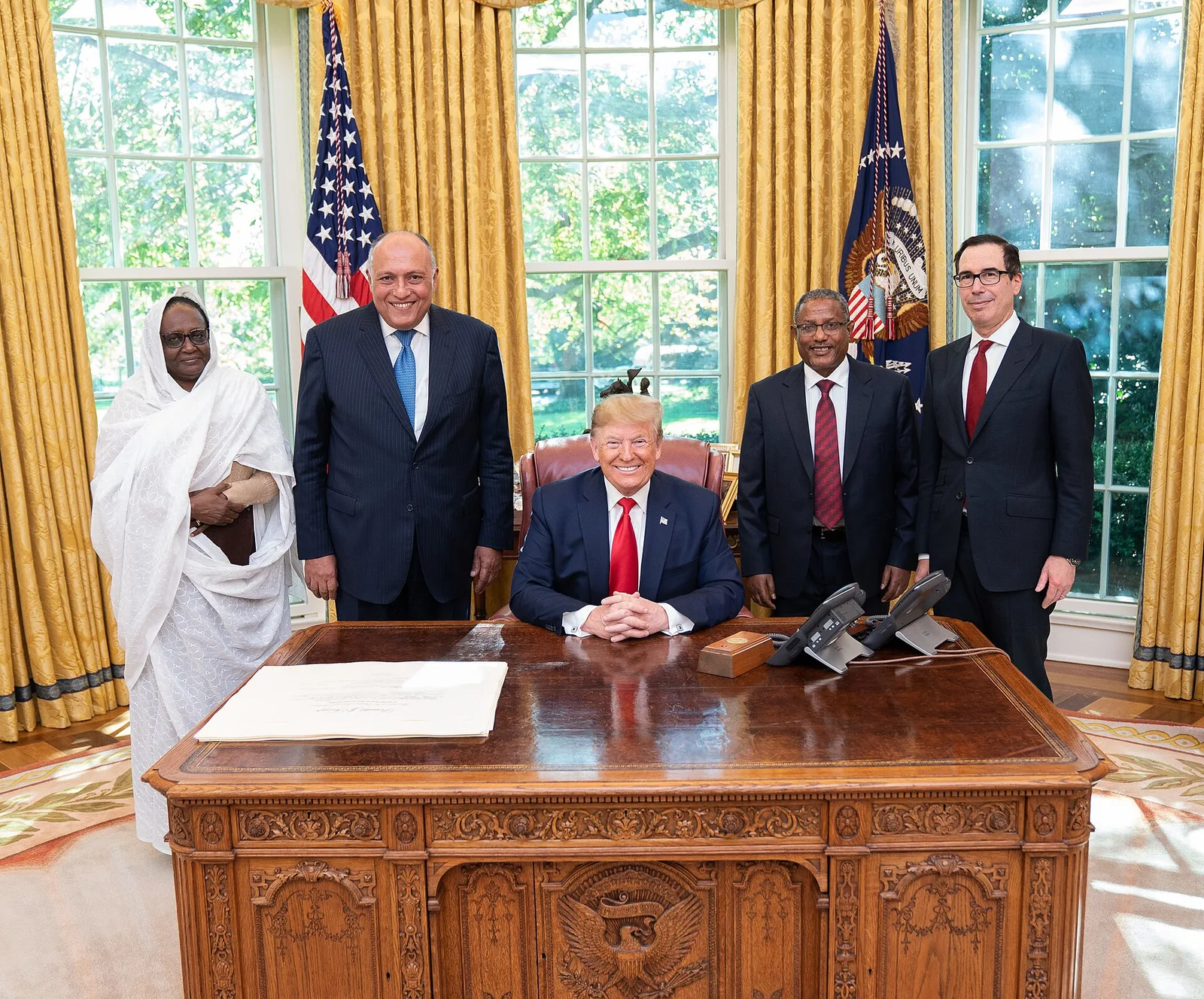
Diese Grundsätze in ein Betriebsabkommen zu übersetzen, erwies sich als weit schwieriger. Ende 2019 traten die drei Länder in Gespräche ein, die in Washington stattfanden, mit dem US-Finanzministerium und der Weltbank als Beobachtern; ein Textentwurf wurde erarbeitet, doch Äthiopien nahm an der Abschlusssitzung nicht teil und unterzeichnete nicht, sondern nannte den Entwurf unausgewogen. Danach wechselten die Verhandlungen unter wechselnden Vorsitzen auf die Schiene der Afrikanischen Union. 2021 befasste sich der UN-Sicherheitsrat mit dem Vorgang und verabschiedete eine Präsidialerklärung, die die Parteien ermutigte, die von der Afrikanischen Union geführten Verhandlungen bis zu einem für alle annehmbaren Abkommen wieder aufzunehmen – womit die Akte formell in afrikanischen Händen blieb.
Vor Ort setzte Äthiopien die Befüllung des Speichers im Alleingang fort, führte seit 2020 in den Regenzeiten aufeinanderfolgende Etappen durch und meldete Jahr für Jahr deren Abschluss. Die ersten Turbinen des Damms begannen 2022 Strom zu erzeugen, 2023 erklärte Äthiopien die Befüllung für abgeschlossen, und im September 2025 wurde das Projekt offiziell eingeweiht. Ägypten und der Sudan protestierten in Schreiben an den Sicherheitsrat gegen jeden einseitigen Schritt und argumentierten, Befüllung und Betrieb ohne verbindliches Abkommen verstießen gegen die Grundsatzerklärung von 2015. Äthiopien wies diese Lesart zurück und beteuerte, die Befüllung habe flussabwärts keinen dokumentierten Schaden angerichtet.
Lässt man die Rhetorik beiseite, ist der Kern des Streits eher juristisch als hydrologisch. Ägypten und der Sudan wollen einen verbindlichen Vertrag mit klaren Dürreprotokollen – Regeln, die festlegen, wie viel Wasser der Damm abgeben muss, wenn eine anhaltende Dürre mit seinem Betrieb zusammenfällt – und dazu einen verbindlichen Streitbeilegungsmechanismus. Äthiopien zieht flexible Leitlinien vor, die es selbst anpassen kann, mit dem Argument, verbindliche Abgabepflichten liefen praktisch auf die Anerkennung fester Wasserquoten für die Unterlieger hinaus und könnten künftige Vorhaben am Oberlauf einschränken. Jede gescheiterte Verhandlungsrunde ist am Ende an genau dieser Trennlinie zwischen Vertrag und Leitlinien zerbrochen.
Was bedeutet die Befüllung tatsächlich für die beiden Unterliegerstaaten? Redlich lassen sich hier nur die dokumentierten Positionen wiedergeben. Ägyptische Verantwortliche haben gewarnt, eine über Jahre anhaltende Dürre während des Dammbetriebs könnte ohne vereinbarte Regeln schmerzhafte Kürzungen des Wassers erzwingen, das Ägyptens Felder und Städte erreicht. Äthiopische Vertreter halten dagegen, die Füllphasen seien in Regenzeiten erfolgt und hätten nach ihrer Einschätzung flussabwärts keinen spürbaren Mangel verursacht. Die sudanesischen Behörden wiederum berichteten mitunter von einem gleichmäßigeren Abfluss und beklagten ein anderes Mal unangekündigte Schwankungen, die den Betrieb ihrer eigenen Dämme erschwerten. Eine unabhängige Langzeitbewertung hängt weiterhin stark von den Niederschlägen der kommenden Jahre ab.
Der weitere rechtliche Hintergrund erklärt, warum eine Einigung so schwerfällt. Es gibt keinen umfassenden Vertrag, der alle elf Anrainerstaaten des Nilbeckens bindet. Das Kooperationsrahmenabkommen, das die Oberliegerstaaten vertreten, wurde von Ägypten und dem Sudan wegen Formulierungen zu Wassersicherheit und vorheriger Benachrichtigung abgelehnt. Das internationale Wasserrecht bietet zwei Prinzipien, die in dauerhafter Spannung zueinander stehen: die angemessene und vernünftige Nutzung eines gemeinsamen Flusses, auf die die Oberlieger pochen, und die Pflicht, keinen erheblichen Schaden zu verursachen, auf die die Unterlieger pochen. Die Damm-Akte ist im Kern ein Test dafür, wie sich diese beiden Grundsätze austarieren lassen.
Deshalb bleibt das Dossier auch nach der Einweihung des Damms offen, denn der Betrieb – nicht der Bau – ist der Ort, an dem die Interessen der drei Länder Jahr für Jahr aufeinandertreffen. Es geht dabei um nichts Abstraktes: um die Wassersicherheit von mehr als hundert Millionen Ägyptern, um die Strom- und Entwicklungshoffnungen einer vergleichbaren Zahl von Äthiopiern und dazwischen um die Sicherheit und die Landwirtschaft des Sudan. Ob am Ende ein verbindlicher Vertrag, eine informelle Abstimmung oder anhaltender Stillstand steht: Wer diese Geschichte genau verfolgen will, muss zuerst wissen, was jede Hauptstadt tatsächlich auf den Tisch gelegt hat – und genau das wollte dieses Dossier darlegen.
Verwandte Artikel
Ein Loch im Himmel, geschlossen durch einen Vertrag: Montreal-Protokoll und Ägyptens Rolle für die Ozonschicht
Am 16. September begeht die Welt den Internationalen Tag zur Erhaltung der Ozonschicht: einen Vertrag, der von allen Ländern der Erde ratifiziert wurde und tatsächlich funktionierte. Von einer wissenschaftlichen Arbeit 1974 über Montreal 1987 bis zu Ägyptens Ratifizierung 1988 und der Kigali-Änderung 2023: die Geschichte der Kältemittelflasche in der Hand eines Technikers, und warum sich der Himmel um 2040 erholen soll.
16. September 2026 · 7 Min. Lesezeit
Die Arabische Liga: Das Haus der Araber, dessen Fenster auf den Tahrir-Platz blicken
Ein paar Schritte vom Tahrir-Platz entfernt steht „das Haus der Araber“: eine der ältesten Regionalorganisationen der Welt, in Kairo gegründet noch vor der Charta der Vereinten Nationen selbst. Wie arbeiten ihre Gipfel und ihr Generalsekretariat? Warum binden ihre Beschlüsse nur den, der sie annimmt? Und was hat es mit dem Umzug nach Tunis und der Rückkehr auf sich? Ein Rundgang durch einen alten Nachbarn, an dem wir täglich vorbeigehen und den wir doch kaum kennen.
2. September 2026 · 7 Min. Lesezeit
Unter dem blauen Dach: Wie die UNO funktioniert – und wer im Sicherheitsrat das „Veto“ hat
Sobald irgendwo eine Krise ausbricht, heißt es: Der Sicherheitsrat ist zusammengetreten, ein Staat hat sein „Veto“ eingelegt. Doch was geschieht wirklich unter dem blauen Dach? Eine Reise vom Saal der Generalversammlung zum hufeisenförmigen Tisch: wie eine UN-Resolution entsteht, wann sie bindend ist, wie ein einziges Wort sie zu Fall bringt – und welchen Platz Ägypten in dieser Szenerie hat.
26. August 2026 · 8 Min. Lesezeit