Ein Fluss, elf Staaten: Die Diplomatie am Nilbecken einfach erklärt
Ägypten bezieht mehr als neun Zehntel seines Süßwassers aus einem Fluss, den sich elf Länder teilen – und liegt ganz am Ende des Stroms. Von den Abkommen von 1929 und 1959 über die Nilbecken-Initiative bis zum äthiopischen Renaissance-Staudamm: die Landkarte aus Recht, Interessen und Verhandlungen hinter einem der wichtigsten Dossiers der nationalen Sicherheit Ägyptens und der arabischen Welt.
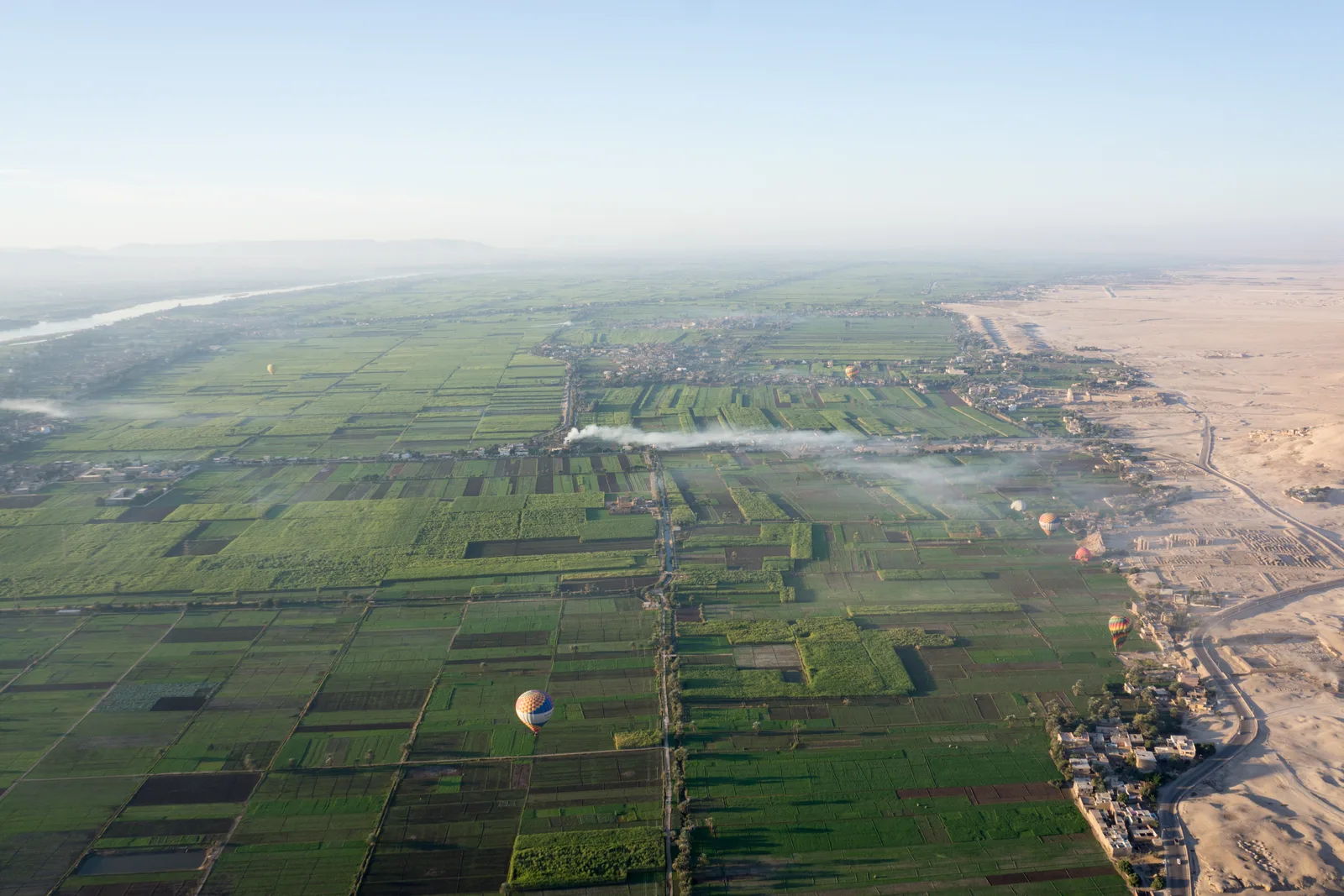
Der Nil ist nicht bloß ein Fluss, der durch Ägypten strömt; er ist der Grund für die Existenz des Landes, wie schon der griechische Geschichtsschreiber Herodot bemerkte, als er Ägypten ein „Geschenk des Nils“ nannte. Heute teilen sich elf Staaten das Einzugsgebiet des Flusses, von den äquatorialen Seen Afrikas bis zum Mittelmeer, und Ägypten liegt ganz am Ende des Laufs, angewiesen auf den Strom für mehr als neun Zehntel seiner erneuerbaren Süßwasserressourcen. Das macht die Diplomatie des Nilbeckens im vollen Wortsinn zu einer existenziellen Frage.
Der Fluss erstreckt sich über rund 6.650 Kilometer und ist damit der längste der Erde oder zumindest einer der längsten. Gespeist wird er von zwei Hauptarmen: dem Weißen Nil, der von den Seen des äquatorialen Hochlands herabkommt, und dem Blauen Nil, der aus dem äthiopischen Hochland stürzt und gemeinsam mit dem Atbara den Löwenanteil – etwa 85 Prozent – des Wassers liefert, das Ägypten erreicht, vor allem in der Zeit der Flut.
Ägyptens Abhängigkeit vom Fluss ist nahezu absolut: Regen fällt kaum, Wüste bedeckt den größten Teil des Landes, und seit die Bevölkerung die Marke von hundert Millionen überschritten hat, ist der Pro-Kopf-Anteil an erneuerbarem Wasser weit unter die international anerkannte Wasserarmutsgrenze von tausend Kubikmetern im Jahr gefallen – in den vergangenen Jahren näherte er sich sogar der Hälfte dieses Werts.
Die ägyptische Rechtsposition stützt sich auf historische Abkommen, vor allem auf den Vertrag von 1929, der mit Großbritannien im Namen seiner ostafrikanischen Kolonien geschlossen wurde, und auf das Abkommen von 1959 mit dem Sudan, das den bei Assuan gemessenen Ertrag des Flusses aufteilte: rund 55,5 Milliarden Kubikmeter für Ägypten und 18,5 Milliarden für den Sudan. Die Oberanrainer waren an diesen Verträgen jedoch nie beteiligt und lehnen sie offen ab, weil sie darin ein koloniales Erbe sehen, das sie nicht bindet.
Die Anrainerstaaten haben versucht, einen gemeinsamen Rahmen zu schaffen: zunächst mit der „Nilbecken-Initiative“, die 1999 als Forum für technische Zusammenarbeit und Vertrauensbildung ins Leben gerufen wurde, danach mit dem 2010 in Entebbe unterzeichneten Rahmenabkommen über die Zusammenarbeit, dem mehrere Oberanrainer beitraten, während Ägypten und der Sudan Vorbehalte gegen die Bestimmungen zur Wassersicherheit und zu den historischen Rechten anmeldeten. Bis heute besitzt das Becken keinen Rechtsrahmen, der alle seine Staaten zusammenführt.
Der Große Äthiopische Renaissance-Staudamm rückte den Streit ins Zentrum der internationalen Politik. Seit dem Baubeginn 2011 am Blauen Nil nahe der sudanesischen Grenze ist er zu einem der größten Wasserkraftwerke Afrikas herangewachsen, mit einem Stausee, dessen Fassungsvermögen an 74 Milliarden Kubikmeter heranreicht. Äthiopien sieht darin eine Lokomotive der Entwicklung, die Dutzende Millionen Haushalte mit Strom versorgen soll; Kairo und Khartum sehen ein Projekt, das an ihre Lebensader rührt, solange keine verbindlichen Regeln dafür gelten.
Die Forderungen Ägyptens und des Sudan zielen auf ein rechtsverbindliches Abkommen, das die Befüllung des Stausees und die Betriebsregeln des Damms ordnet, klare Protokolle für Jahre anhaltender Dürre vorsieht, regelmäßige Mechanismen zum Datenaustausch schafft und Garantien für die bauliche Sicherheit gibt – damit die Bewirtschaftung des Flusses nicht zu einer Folge einseitiger Entscheidungen am Oberlauf wird, deren Konsequenzen die Unterlieger tragen.
Der Verhandlungsweg hat mehrere Stationen durchlaufen, allen voran die Grundsatzerklärung, die die Staatschefs der drei Länder 2015 in Khartum unterzeichneten, danach Gesprächsrunden unter der Schirmherrschaft der Vereinigten Staaten und der Weltbank und schließlich der Afrikanischen Union – ohne dass ein verbindliches Abkommen zustande kam. Äthiopien setzte unterdessen die Füllphasen über die aufeinanderfolgenden Regenzeiten hinweg fort, und die Turbinen des Damms begannen tatsächlich, Strom zu erzeugen.
Im Innern wartet Ägypten nicht mit verschränkten Armen auf die Ergebnisse der Verhandlungen: Das Land hat die Aufbereitung und Wiederverwendung landwirtschaftlicher Drainagewässer in riesigen Anlagen ausgebaut, allen voran das Werk Bahr El-Baqar, das zu den größten der Welt zählt, dazu die Meerwasserentsalzung an den Küsten, die Sanierung und Auskleidung der Kanäle, eine sparsamere Feldbewässerung und Begrenzungen der Anbauflächen für wasserhungrige Kulturen wie Reis.
Viele Fachleute erinnern daran, dass der Fluss eine Brücke der Zusammenarbeit sein kann und kein Schauplatz des Streits: Stromverbund, Energiehandel und gemeinsame Investitionen in Speicherung, Landwirtschaft und Schifffahrt könnten dem gesamten Becken Vorteile bringen, die jeden einseitigen Gewinn übersteigen – zumal die Bevölkerung der Anrainerstaaten stetig wächst und der Klimawandel ausnahmslos auf allen lastet.
Für die ägyptischen und arabischen Leserinnen und Leser bleibt das Thema eine Frage der nationalen Sicherheit par excellence: Wasser ist hier nicht bloß eine wirtschaftliche Ressource, sondern die Bedingung des Lebens selbst. Deshalb wird die Nilbecken-Diplomatie – mit ihren Verhandlungen, Gipfeln und Rechtsrahmen – auf Jahrzehnte hinaus eine der wichtigsten Fronten der ägyptischen Außenpolitik bleiben.
Verwandte Artikel
Ein Loch im Himmel, geschlossen durch einen Vertrag: Montreal-Protokoll und Ägyptens Rolle für die Ozonschicht
Am 16. September begeht die Welt den Internationalen Tag zur Erhaltung der Ozonschicht: einen Vertrag, der von allen Ländern der Erde ratifiziert wurde und tatsächlich funktionierte. Von einer wissenschaftlichen Arbeit 1974 über Montreal 1987 bis zu Ägyptens Ratifizierung 1988 und der Kigali-Änderung 2023: die Geschichte der Kältemittelflasche in der Hand eines Technikers, und warum sich der Himmel um 2040 erholen soll.
16. September 2026 · 7 Min. Lesezeit
Die Arabische Liga: Das Haus der Araber, dessen Fenster auf den Tahrir-Platz blicken
Ein paar Schritte vom Tahrir-Platz entfernt steht „das Haus der Araber“: eine der ältesten Regionalorganisationen der Welt, in Kairo gegründet noch vor der Charta der Vereinten Nationen selbst. Wie arbeiten ihre Gipfel und ihr Generalsekretariat? Warum binden ihre Beschlüsse nur den, der sie annimmt? Und was hat es mit dem Umzug nach Tunis und der Rückkehr auf sich? Ein Rundgang durch einen alten Nachbarn, an dem wir täglich vorbeigehen und den wir doch kaum kennen.
2. September 2026 · 7 Min. Lesezeit

Unter dem blauen Dach: Wie die UNO funktioniert – und wer im Sicherheitsrat das „Veto“ hat
Sobald irgendwo eine Krise ausbricht, heißt es: Der Sicherheitsrat ist zusammengetreten, ein Staat hat sein „Veto“ eingelegt. Doch was geschieht wirklich unter dem blauen Dach? Eine Reise vom Saal der Generalversammlung zum hufeisenförmigen Tisch: wie eine UN-Resolution entsteht, wann sie bindend ist, wie ein einziges Wort sie zu Fall bringt – und welchen Platz Ägypten in dieser Szenerie hat.
26. August 2026 · 8 Min. Lesezeit