Tu perro es libre en tu casa: los perros agresivos en la playa atropellan el derecho de los demás
Una escena que se repite cada verano en nuestras playas: un perro enorme y sin bozal corre entre los niños mientras su dueño despacha las quejas con un «no hace nada». En la sección «Esto está mal» lo decimos con claridad: la libertad de tener un animal termina donde empiezan la seguridad y la tranquilidad de los demás, y la playa pública pertenece a todos los ciudadanos; no es el campo de entrenamiento de los perros de unos cuantos.
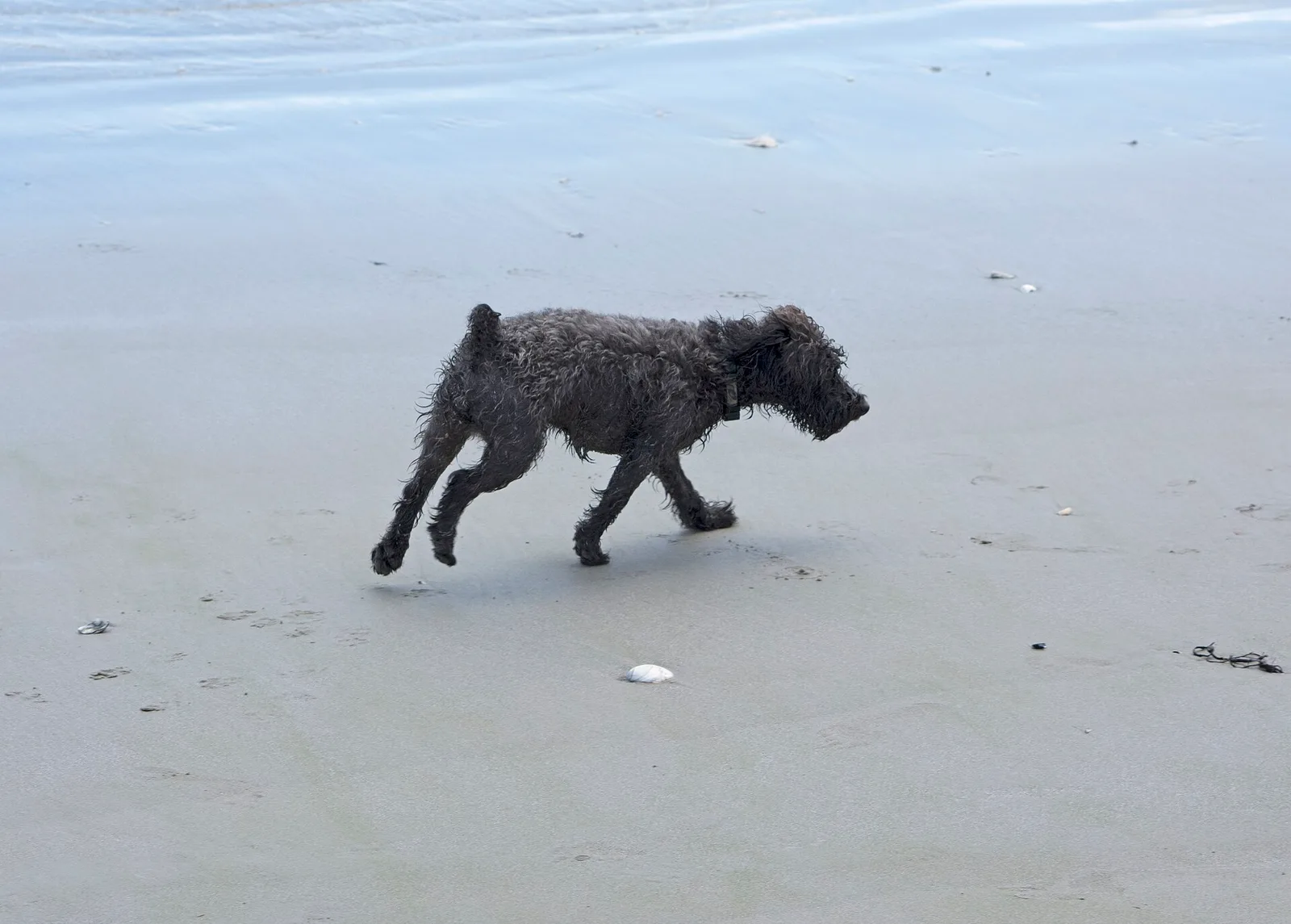
La escena la conoce cualquiera que haya ido a una playa pública en verano: una familia coloca sus sillas junto al agua, los niños levantan castillos de arena y, de pronto, aparece un perro enorme de una raza conocida por su agresividad, corriendo sin bozal ni correa, con su dueño detrás, sonriente, tranquilizando a todos con una sola frase: «No tengan miedo, es manso». Pero el niño que rompió a llorar no distingue lo manso de lo fiero, y a la madre que cogió a su pequeño y echó a correr no le interesa el certificado de buena conducta del animal.
Antes de hablar de leyes, esto es una falta moral. La playa pública es un espacio compartido: todos pagaron su entrada o la heredaron como un derecho común, y quien suelta allí a un animal que asusta a la gente está diciendo, en la práctica: mi comodidad y la de mi perro importan más que la seguridad de sus hijos. Ese es exactamente el agravio que esta sección quiere señalar: la ofensa al ciudadano y el atropello de su tranquilidad en un lugar al que vino a descansar.
El miedo, aquí, no es un lujo ni una exageración. Una sola mordedura puede significar heridas, puntos de sutura y una tanda de vacunas contra la rabia, además de un terror psicológico capaz de acompañar al niño durante años: su miedo a un perro se convierte en miedo a todos los animales y a la playa misma. E incluso si el perro no muerde a nadie, basta con que corra entre los bañistas, siendo de una raza peligrosa, para arruinarles el día a decenas de familias.
Y luego está lo que el ojo no ve: bañar a los perros en la misma agua de mar en la que nada la gente. El perro es un ser vivo que lleva en el pelaje y en sus excrementos microbios y parásitos, algunos transmisibles al ser humano, y los niños que tragan agua mientras juegan son los más expuestos. Quien lava a su perro en el agua donde nadan los hijos de los demás trata el mar como si fuera su bañera particular, y eso es puro egoísmo.
Y seamos justos: el problema no está en tener perro ni en quienes aman a los animales; cuidar de los animales y tratarlos con compasión es un valor que respetamos y que defendemos. El problema está en el dueño que rechaza las reglas más elementales de la responsabilidad: la correa, el bozal para las razas peligrosas, la elección de los lugares habilitados y una pregunta sencilla antes de acercarse a cualquier familia: ¿les molesta?
La ley egipcia no ha dejado el asunto sin control. El Código Civil hace responsable al guardián del animal del daño que este cause, y en 2023 el legislador aprobó una ley específica que regula la tenencia de animales peligrosos y de perros: exige licencia, fija las normas para llevar perros a los espacios públicos y sanciona a quien las incumple. Es decir, quien suelta un perro agresivo entre los bañistas no solo comete una falta moral: se pone a sí mismo al alcance de la ley.
Pero en esta sección no apostamos solo por el castigo, porque antes que un problema legal esto es un problema de buenas maneras. Imagina que cada uno de nosotros trasladara al espacio público aquello que molesta a sus vecinos: uno sube el altavoz, otro asa carne en la acera, un tercero suelta a su perro entre los niños. Entonces no quedaría nada que pudiera llamarse «espacio público», sino una selva en la que el más fuerte y el más atrevido se reserva su sitio a costa de todos.
Lo que se le pide al dueño del perro es claro y no admite interpretaciones: no lleves un perro de raza peligrosa a una playa pública que ya de por sí está abarrotada; y si llevas un perro manso, que sea siempre con correa y con bozal cuando haga falta; no lo bañes en el agua donde se baña la gente; recoge sus excrementos; y respeta el miedo de los demás aunque te parezca exagerado, porque el miedo es un derecho que no necesita tu permiso.
Lo que se pide al Estado y a las administraciones locales no es menos claro: aplicar en las playas la ley de tenencia de animales peligrosos y no conformarse con que exista en el Boletín Oficial; colocar carteles explícitos en los accesos a las playas con las normas sobre animales; y reservar espacios u horarios para los dueños de perros lejos de las zonas familiares más concurridas, para que cada cual reciba lo que le corresponde sin choques.
El último mensaje para todo el que dice «yo soy libre y mi perro también»: sí, eres libre dentro de tu casa y en los espacios habilitados; pero en la playa pública tu libertad termina donde empieza la seguridad de un niño cuya única fuerza es su grito. Así está mal, y hacerlo bien es más sencillo de lo que crees: correa, bozal, un lugar adecuado y respeto por los demás.
Noticias relacionadas

«Keda ghalat» («Esto está mal»): maltratar a un animal es un delito según el Código Penal egipcio desde 1937
Un vecino coloca platos envenenados junto al muro de la escuela; un carretero golpea a su burro en la cara bajo una carga excesiva. Muchos creen que «es solo un animal» y que ninguna ley lo protege. En realidad, los artículos 355, 356 y 357 del Código Penal castigan matar, envenenar y maltratar animales, con penas de hasta prisión. En vísperas del Día Mundial de los Animales, explicamos qué dice la ley.
3 de octubre de 2026 · 6 min de lectura
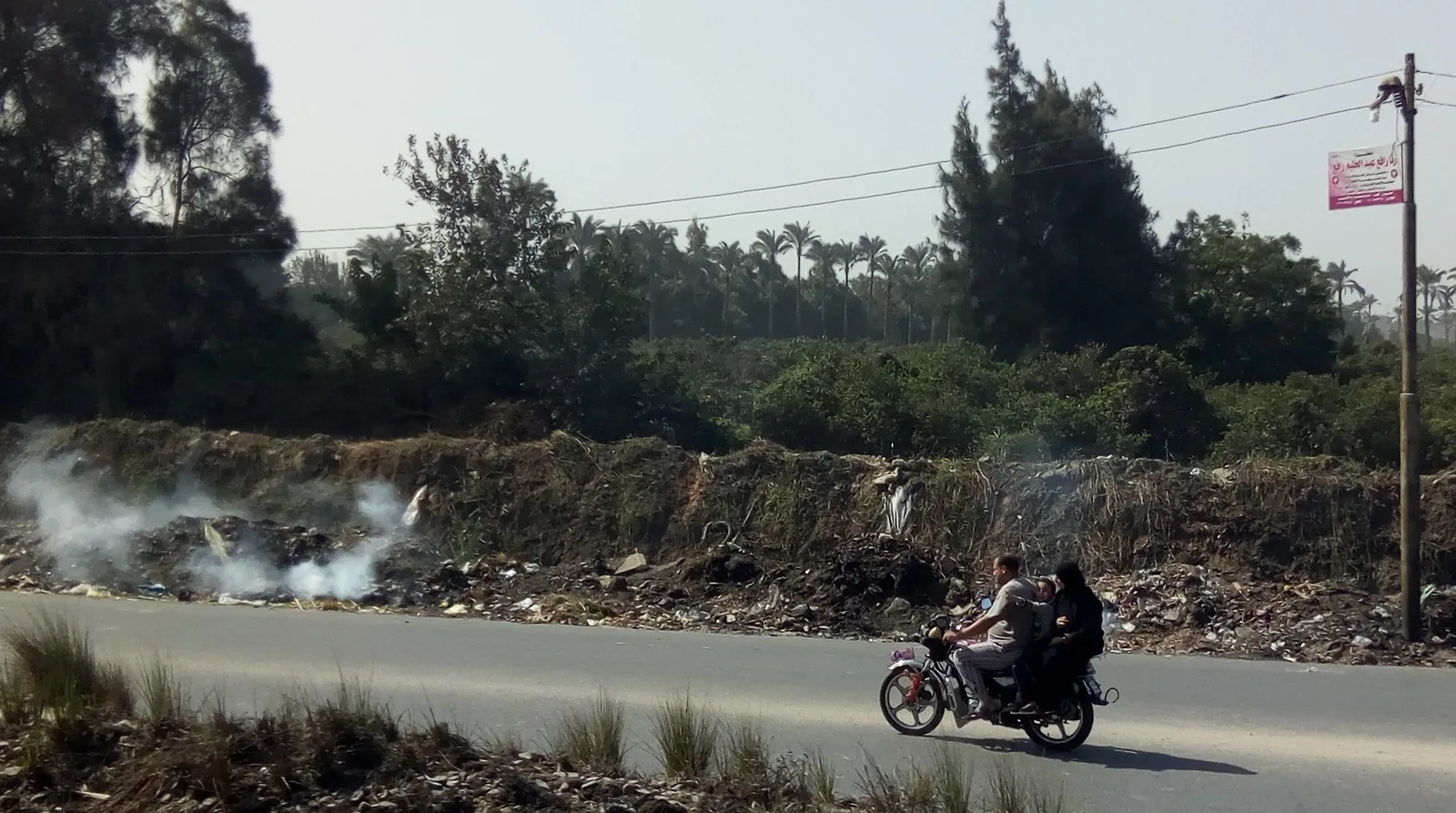
Cuatro en una moto y sin casco: la cabeza descubierta es lo más caro que una familia puede perder en la carretera
En la segunda semana de clases se repite la misma escena: un padre al manillar, un niño delante, otro detrás, la madre con las mochilas, y ni un solo casco. La prensa, citando a la CAPMAS, señala un salto en las muertes de 190 a 897 entre 2020 y 2024, mientras Cochrane muestra que el casco solo reduce el riesgo de muerte un 42%. La ley castiga la cabeza descubierta desde 1999, multa elevada en 2008. ¿Por qué no cumplimos?
23 de septiembre de 2026 · 8 min de lectura

«Un enganche al cable» no es viveza: el robo de electricidad es un delito que paga todo el barrio
Un cable pelado que cuelga de un poste hasta un balcón, un aire acondicionado con un contador inmóvil, y un fusible que salta por tercera vez, dejando a oscuras al vecino que sí paga su factura. El artículo 71 de la Ley de Electricidad llama a esto apropiación indebida de corriente, castigada con prisión y multa, mientras una reforma más dura espera a la Cámara. ¿Qué pierde toda una calle por un enganche? ¿Cuál es la alternativa correcta?
14 de septiembre de 2026 · 7 min de lectura