Muones, escáneres y satélites: la nueva ciencia que lee los secretos del antiguo Egipto
La egiptología ya no es solo cuestión de pincel y pico. De las partículas cósmicas que atraviesan los bloques de la Gran Pirámide a las tomografías que desvelan los secretos de las momias sin retirar sus vendas, la tecnología moderna está reescribiendo la manera en que Egipto descubre su propio pasado.
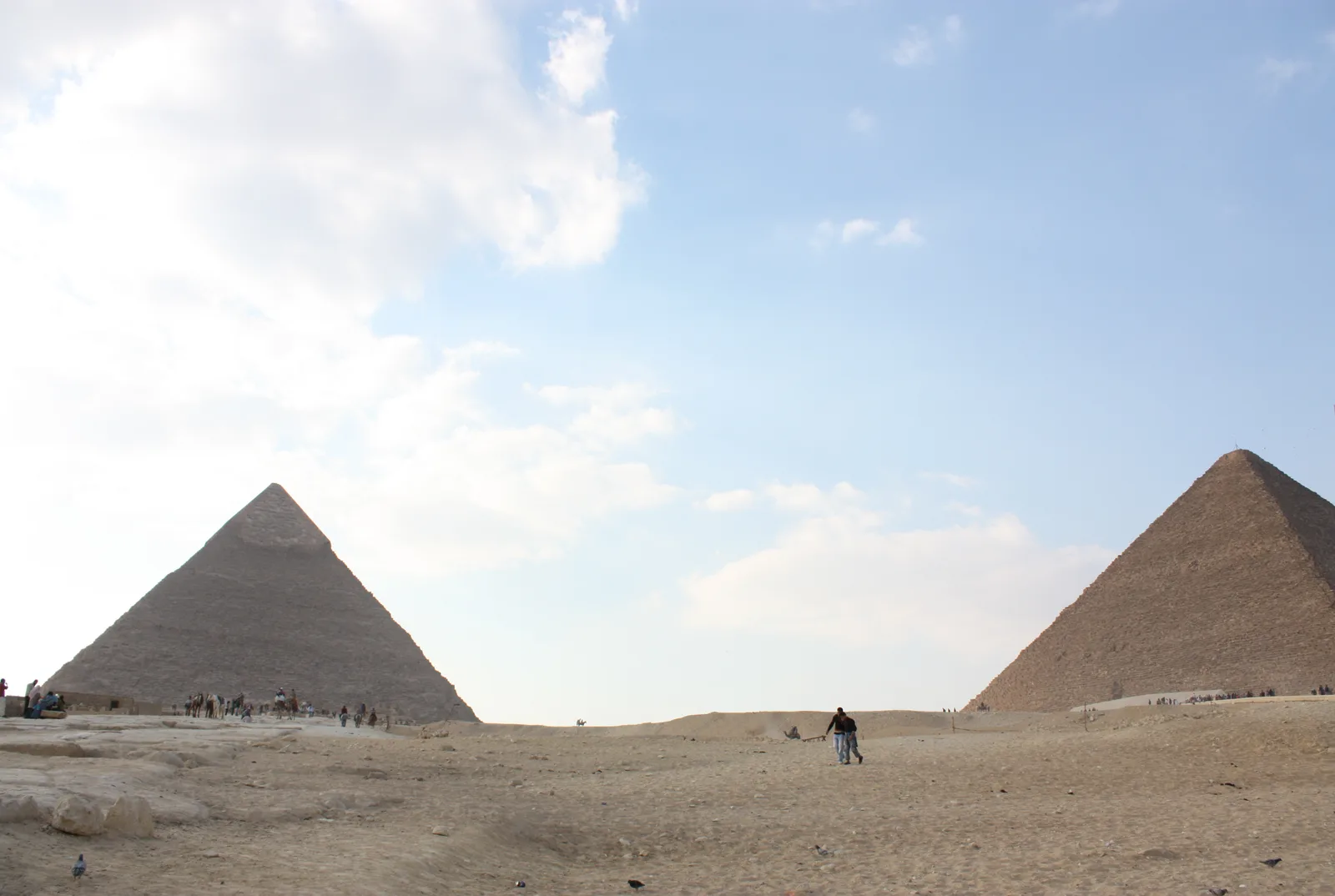
Durante dos siglos, la egiptología se identificó en el imaginario colectivo con una sola imagen: la de un arqueólogo inclinado sobre la arena, con pincel y piqueta, sacudiendo el polvo de los tesoros del pasado. Hoy ese panorama ha cambiado de raíz. Los grandes hallazgos del valle del Nilo nacen ya tanto en los laboratorios de física, en los centros de imagen médica y en las estaciones de recepción de imágenes de satélite como en las propias excavaciones.
El ejemplo más conocido de ese giro es el proyecto «ScanPyramids», puesto en marcha a mediados de la década de 2010 por científicos egipcios e internacionales para examinar las pirámides de Guiza y Dahshur con técnicas no invasivas. El proyecto se apoya en la imagen por muones, partículas subatómicas que caen sin cesar sobre la Tierra cuando los rayos cósmicos chocan con la atmósfera y que son capaces de atravesar cientos de metros de roca.
La idea se parece a una radiografía de una montaña entera: se colocan detectores sensibles dentro y alrededor de la pirámide y se cuentan los muones que la atraviesan desde cada dirección. Donde la masa de piedra es más densa pasan menos partículas; donde hay un vacío, pasan más. Así fue como el equipo anunció en 2017, en un trabajo publicado por la revista científica «Nature», la detección de un gran vacío desconocido sobre la Gran Galería de la Gran Pirámide, el primer hallazgo de este tipo en el monumento en siglos.
La historia no terminó ahí. En los últimos años se confirmó la existencia de un corredor oculto detrás de la fachada norte de la pirámide, cerca de la entrada original, después de que los investigadores introdujeran un endoscopio muy fino por una pequeña grieta entre los bloques y fotografiaran el pasadizo vacío desde dentro: la confirmación material de lo que habían anticipado los mapas de muones, sin mover una sola piedra.
En el estudio de las momias, la tomografía computarizada ha provocado una revolución paralela. La momia del joven rey Tutankamón fue sometida a un escáner completo a mediados de la década de 2000, que reveló detalles sobre su salud y sobre su edad al morir sin tocar el cuerpo. La técnica ha ido aún más lejos con el llamado «desvendado digital»: la momia del rey Amenhotep I se examinó por completo de forma digital mientras seguía dentro de sus vendas y de su máscara, de modo que aparecieron sus rasgos y sus amuletos sin abrir los envoltorios sagrados.
El ADN antiguo ha abierto una tercera puerta. Los estudios genéticos realizados sobre momias reales de la XVIII dinastía, cuyos resultados se publicaron a principios de la década de 2010 en una prestigiosa revista médica, ayudaron a trazar el árbol genealógico de Tutankamón y a establecer los lazos de parentesco entre las momias. Los científicos siguen siendo cautos en este terreno: el clima cálido fragmenta el ADN a lo largo de milenios y convierte su extracción y su análisis en una de las tareas de laboratorio más delicadas y más expuestas a la controversia científica.
Desde el espacio, las imágenes de satélite contribuyen a redibujar el mapa arqueológico de Egipto. La toma de imágenes infrarrojas y el análisis de fotografías de alta resolución revelan diferencias mínimas en el suelo y en la humedad que delatan el contorno de edificios de adobe sepultados por la arena desde hace miles de años. Esas mismas imágenes se emplean también para detectar los pozos de excavación ilegal y para proteger los yacimientos de los saqueadores.
Sobre el terreno, templos y tumbas se han convertido en modelos digitales tridimensionales gracias al escaneo láser y a la fotogrametría. Las tumbas de la orilla occidental de Tebas se documentan hoy con millones de puntos digitales que preservan cada inscripción y cada grieta, y cerca de Luxor se ha producido una réplica exacta de la cámara funeraria de Tutankamón que ofrece a los visitantes una experiencia completa y alivia al mismo tiempo la presión sobre la frágil tumba original.
La ciencia de los materiales también ha entrado en juego: los laboratorios analizan los pigmentos de las pinturas murales, las sales de la piedra y las fibras de los papiros con técnicas como la imagen hiperespectral, para entender los métodos de fabricación antiguos y diseñar planes de restauración con base científica. Los laboratorios de restauración egipcios, entre ellos los del Gran Museo Egipcio, desempeñan un papel creciente en la formación de una nueva generación de restauradores y científicos egipcios en estas especialidades de precisión.
En definitiva, la tecnología no sustituye al arqueólogo: le da sentidos nuevos. El patrimonio arqueológico es un recurso limitado y no renovable, y cada excavación convencional destruye para siempre una parte del contexto. Los muones, los escáneres y los satélites, en cambio, revelan sin derribar y preservan para las generaciones futuras su derecho a un pasado que aún guarda bajo la arena la mayoría de sus secretos.
Noticias relacionadas
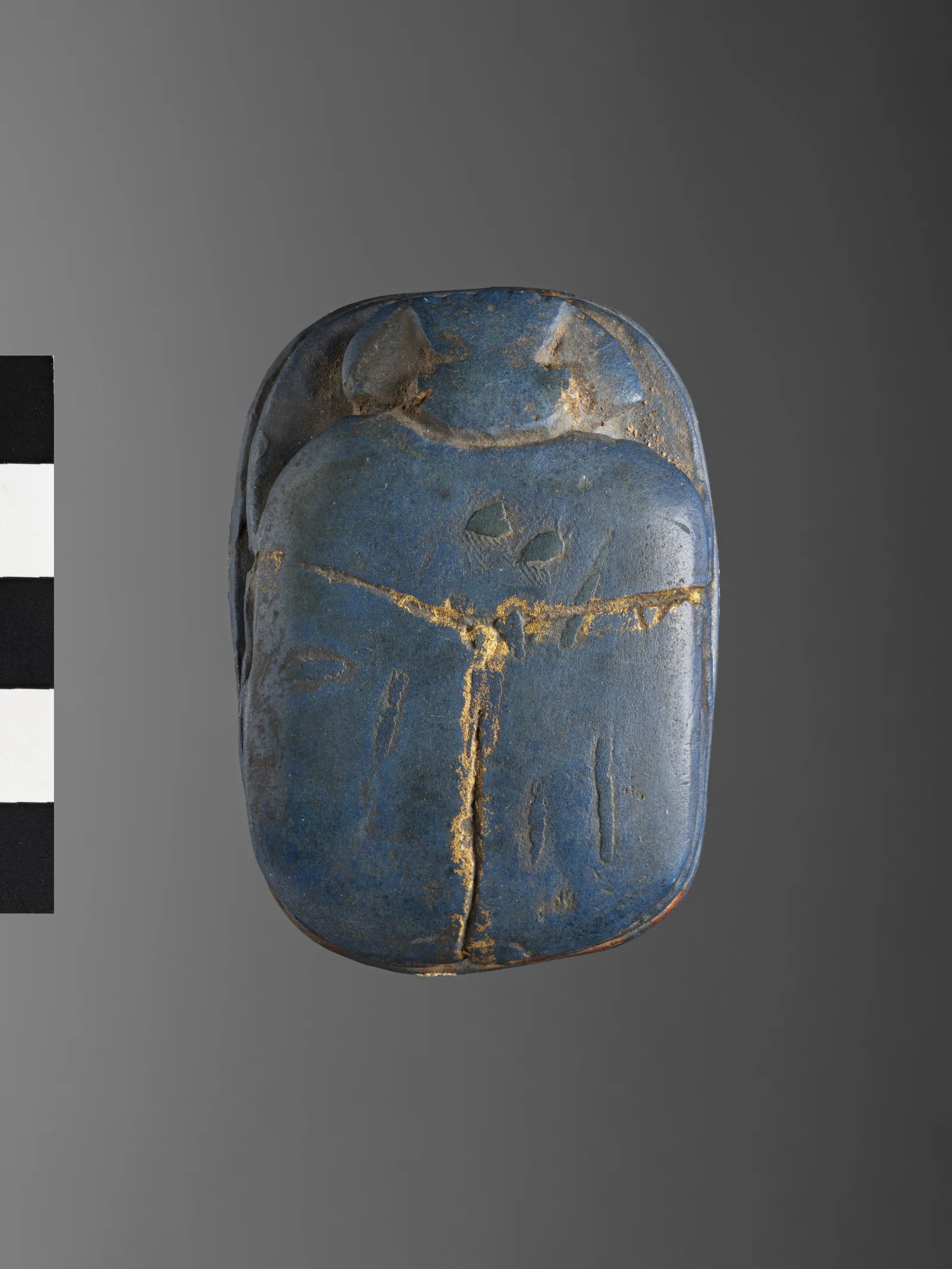
«Azul egipcio»: el primer pigmento sintético de la historia vuelve para revelar huellas dactilares e iluminar células
Un azul que químicos egipcios fabricaban con arena, cobre y cal hace miles de años resultó, en 2013, desintegrarse en láminas nanométricas que emiten luz infrarroja. Desde entonces se ha convertido en un polvo que revela huellas dactilares en Australia y en una sonda que ilumina embriones de mosca y hojas de plantas en Alemania. La historia de un material antiguo con una propiedad muy moderna, y una pregunta sobre nuestros laboratorios de hoy.
17 de septiembre de 2026 · 7 min de lectura
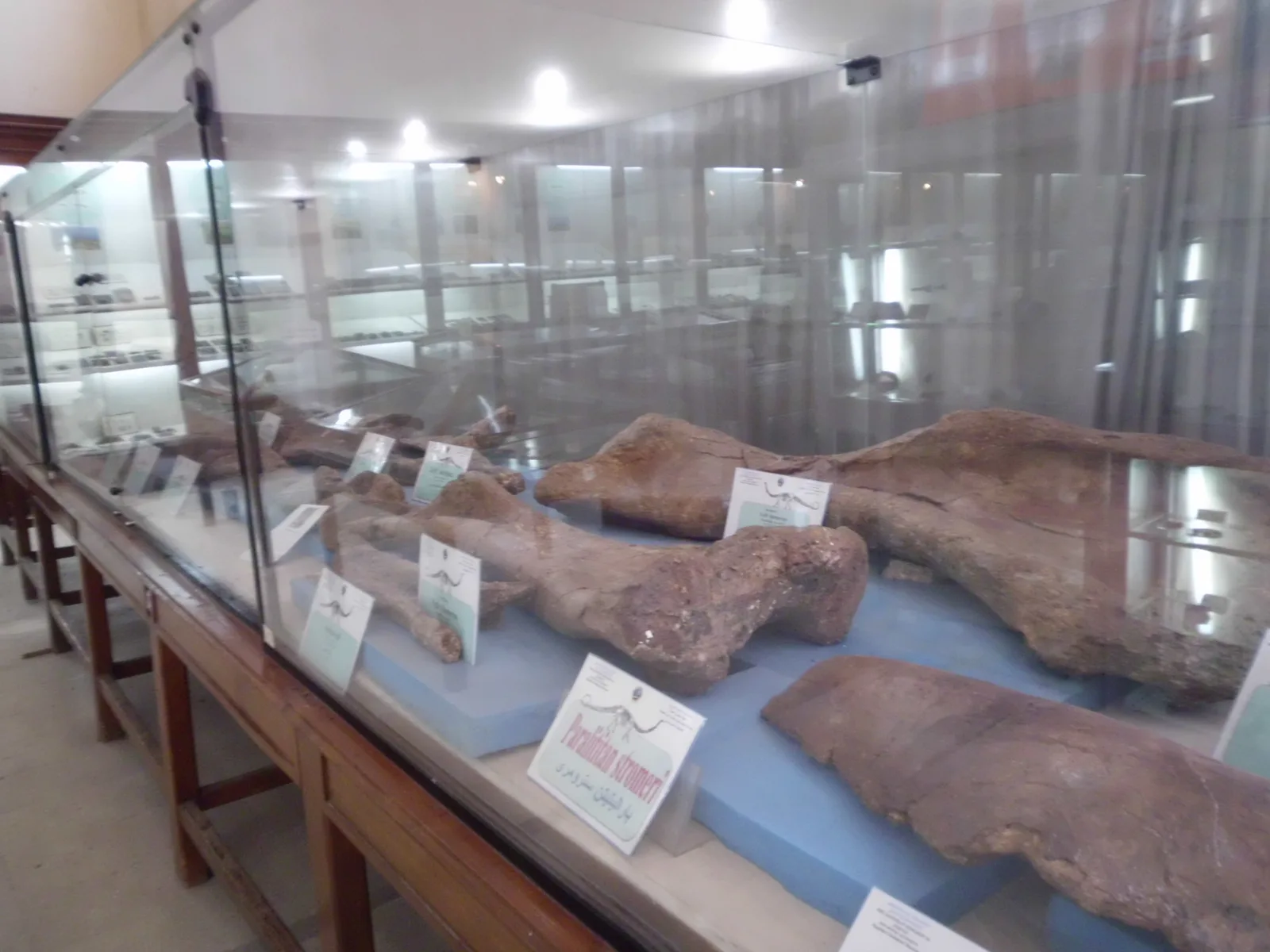
Ochenta millones de años antes de los faraones: el dinosaurio de Mansoura y los fósiles de los oasis que quemó la guerra
Estudiantes egipcios de la Universidad de Mansoura extrajeron de las rocas del oasis de Dakhla los huesos de Mansourasaurus, el esqueleto de dinosaurio del Cretácico superior más completo hallado en África. Un siglo antes, un científico alemán había depositado en Múnich los dinosaurios del oasis de Bahariya, y la guerra los quemó. La historia del archivo de la Tierra en el desierto de Egipto, y de una ciencia que su hijo puede estudiar aquí.
8 de septiembre de 2026 · 7 min de lectura
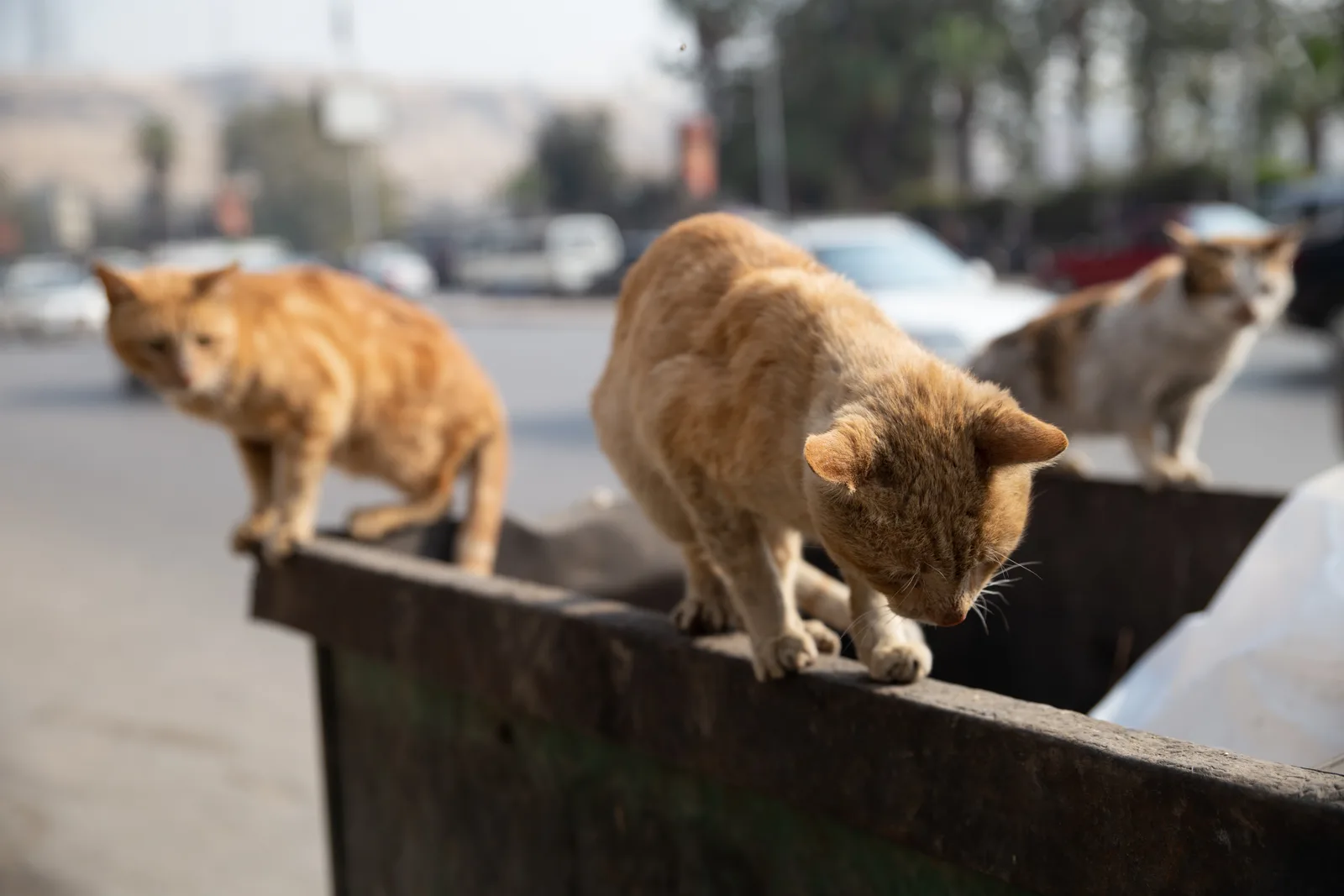
«Keda ghalat» («Esto está mal»): maltratar a un animal es un delito según el Código Penal egipcio desde 1937
Un vecino coloca platos envenenados junto al muro de la escuela; un carretero golpea a su burro en la cara bajo una carga excesiva. Muchos creen que «es solo un animal» y que ninguna ley lo protege. En realidad, los artículos 355, 356 y 357 del Código Penal castigan matar, envenenar y maltratar animales, con penas de hasta prisión. En vísperas del Día Mundial de los Animales, explicamos qué dice la ley.
3 de octubre de 2026 · 6 min de lectura