Vuelta al cole con cabeza: guía práctica para el presupuesto familiar antes del timbre del 12 de septiembre
Antes del arranque del curso escolar en Egipto el 12 de septiembre, una guía práctica para ajustar el presupuesto de la vuelta al cole: las tasas oficiales anunciadas, un inventario de lo que aún sirve del año pasado, prioridades de compra, tácticas de ahorro realistas y cómo contener la mayor partida: las clases particulares.
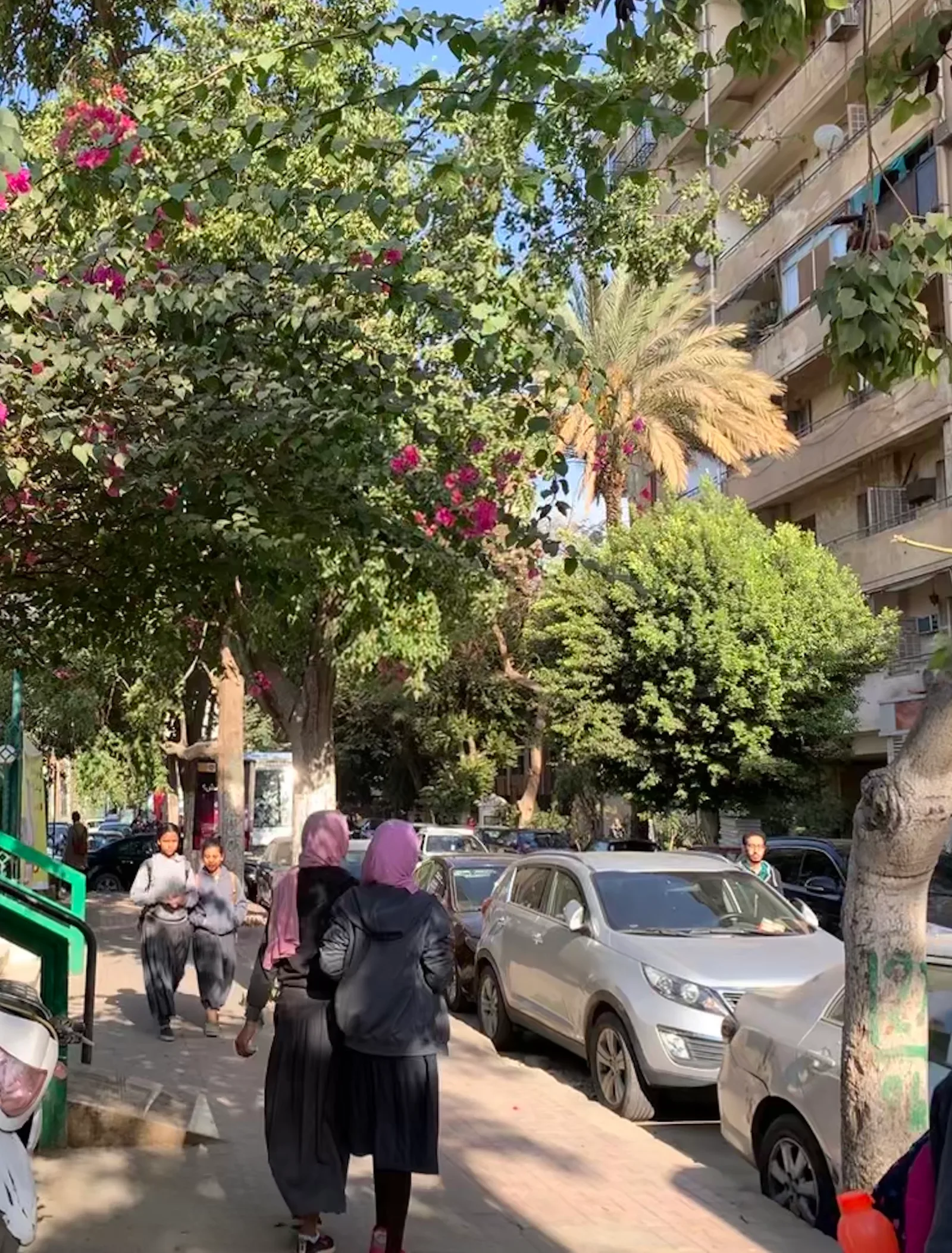
Las familias egipcias tienen menos de cuatro semanas por delante antes de que arranque el curso escolar 2026/2027, fijado para el sábado 12 de septiembre según el calendario aprobado por el Ministerio de Educación y Enseñanza Técnica. Entre las tasas, el uniforme, el material escolar y las clases particulares, lo que queda de agosto y todo septiembre se convierten en una temporada de gasto que aprieta cualquier presupuesto familiar. Planificar con antelación no borra la factura, pero sí puede reducirla de forma visible.
Según lo anunciado por el ministerio y recogido por los medios locales, las clases comienzan el 12 de septiembre de 2026 en las escuelas públicas, en las oficiales de idiomas y en las privadas, y se prolongan hasta el 24 de junio de 2027, con 39 semanas lectivas, mientras que los colegios internacionales abren sus puertas el 6 de septiembre. Esa ventana de tiempo significa que una familia puede repartir las compras en varias tandas en lugar de vaciar el presupuesto de una sola vez.
En cuanto a las tasas oficiales, el decreto ministerial n.º 116 para el curso 2026/2027 las fija en 320 libras egipcias desde la etapa infantil hasta el final del ciclo preparatorio, 545 libras para el primer año de secundaria general, 530 libras para el segundo y el tercero, 245 libras para el primer curso de la enseñanza técnica y 230 libras para el resto de sus cursos, según publicaron el portal Al Shorouk y Masrawy. Las tasas se abonan en dos plazos a través de los puntos de cobro electrónico y las oficinas de correos, con exención para las categorías que fija el decreto, que solo pagan un cargo administrativo simbólico.
En las escuelas oficiales de idiomas se añade un cargo por servicios complementarios que va de 800 libras en primaria a 1.400 libras en la etapa infantil, y que llega a 4.400 libras en la etapa secundaria de las escuelas oficiales de idiomas de excelencia, según la cobertura periodística del mismo decreto. Conocer de antemano la cifra oficial te protege frente a cualquier reclamación que exceda lo establecido, y tienes derecho a preguntar en qué se basa cada concepto adicional.
El primer paso, antes de abrir la cartera: un inventario completo de lo que ha sobrevivido al curso pasado. Una mochila con las correas y la cremallera en buen estado, prendas del uniforme que todavía sirvan, un estuche y un juego de geometría utilizables, cuadernos con hojas sin usar que puedes juntar para los borradores. La regla de oro: a la lista de la compra no entra nada que no esté realmente roto o se haya quedado pequeño.
Después del inventario llega el orden de prioridades. Primero el uniforme, porque los niños crecen y no hay alternativa: comprar dos conjuntos algo holgados rinde más que tres a la medida exacta que se quedan pequeños a mitad de curso. Luego los cuadernos y el material, siguiendo la lista real del colegio y no las suposiciones. Y por último la mochila, que se queda al final de la lista mientras la vieja siga sirviendo.
En el ahorro, las tácticas pequeñas marcan una diferencia real: la compra conjunta entre madres permite repartir una docena de cuadernos y acceder a precios de mayorista; los mercados mayoristas y los mercados de temporada de las gobernaciones son claramente más baratos que las papelerías de barrio en plena temporada; y comparar precios en tres puntos de venta antes de pagar suele compensar el viaje extra ya en la primera salida.
Informaciones de prensa, entre ellas las del diario Al Dustur citando fuentes del Ministerio de Abastecimiento y Comercio Interior, apuntan a que las ferias «Ahlan Madares» («Hola, escuelas») de esta temporada abrirán a principios de septiembre en las gobernaciones, con la participación de librerías y proveedores de material escolar y descuentos que varían según el producto. En temporadas anteriores esos descuentos llegaron al 20 % aproximadamente, según la prensa, así que conviene que sigas los anuncios oficiales de cada gobernación sobre lugares y fechas antes de comprar.
Las trampas también se llevan su parte del presupuesto. Las marcas para un niño de los primeros cursos de primaria son gasto sin retorno, porque el material se pierde o se estropea en cuestión de semanas, y los productos estampados con personajes de dibujos animados se venden a veces al doble que otros de la misma calidad. Otras trampas: comprarlo todo antes de recibir las listas del colegio y las ofertas de pago a plazos en compras pequeñas, que añaden un coste de financiación innecesario.
Con todo, la partida más grande del presupuesto educativo no es el uniforme ni el material. Según los datos de la Agencia Central de Movilización Pública y Estadística (CAPMAS) publicados este mes por la prensa local, las clases particulares y los grupos de refuerzo se llevan el 28,3 % del gasto en educación de los hogares con estudiantes, y la gobernación de Menufia encabeza esa lista, según recogió el diario Al Dustur a partir de los datos de la agencia.
Ese gasto se puede racionalizar sin perjudicar el nivel del alumno: empieza solo por las asignaturas que de verdad necesita en lugar de contratar un «paquete» completo desde el primer día; recurre a los grupos de refuerzo oficiales del colegio, más baratos; comparte grupos reducidos entre tres o cuatro familias; y apóyate en los canales y plataformas educativas oficiales gratuitos como recurso de apoyo. Además, retrasar el inicio de las clases hasta que el nivel del alumno se aclare durante el primer mes ahorra al menos un mes entero de coste.
Queda un último seguro: repartir la factura en el tiempo. Pagar las tasas en dos plazos es un derecho reconocido oficialmente, así que no hace falta abonarlas de una vez; el material puede comprarse en dos tandas —lo básico ahora y el resto cuando empiece el curso y se vean las necesidades reales— y guarda las facturas para los cambios y las comparaciones de precio.
Por último, hacer partícipes a los hijos del presupuesto es una lección gratuita de economía doméstica: el niño que entiende que una mochila nueva significa renunciar a otra cosa aprende pronto a elegir. La vuelta al colegio es un examen anual para el presupuesto familiar, y quien se prepara con tiempo lo aprueba con las mínimas pérdidas.
Noticias relacionadas
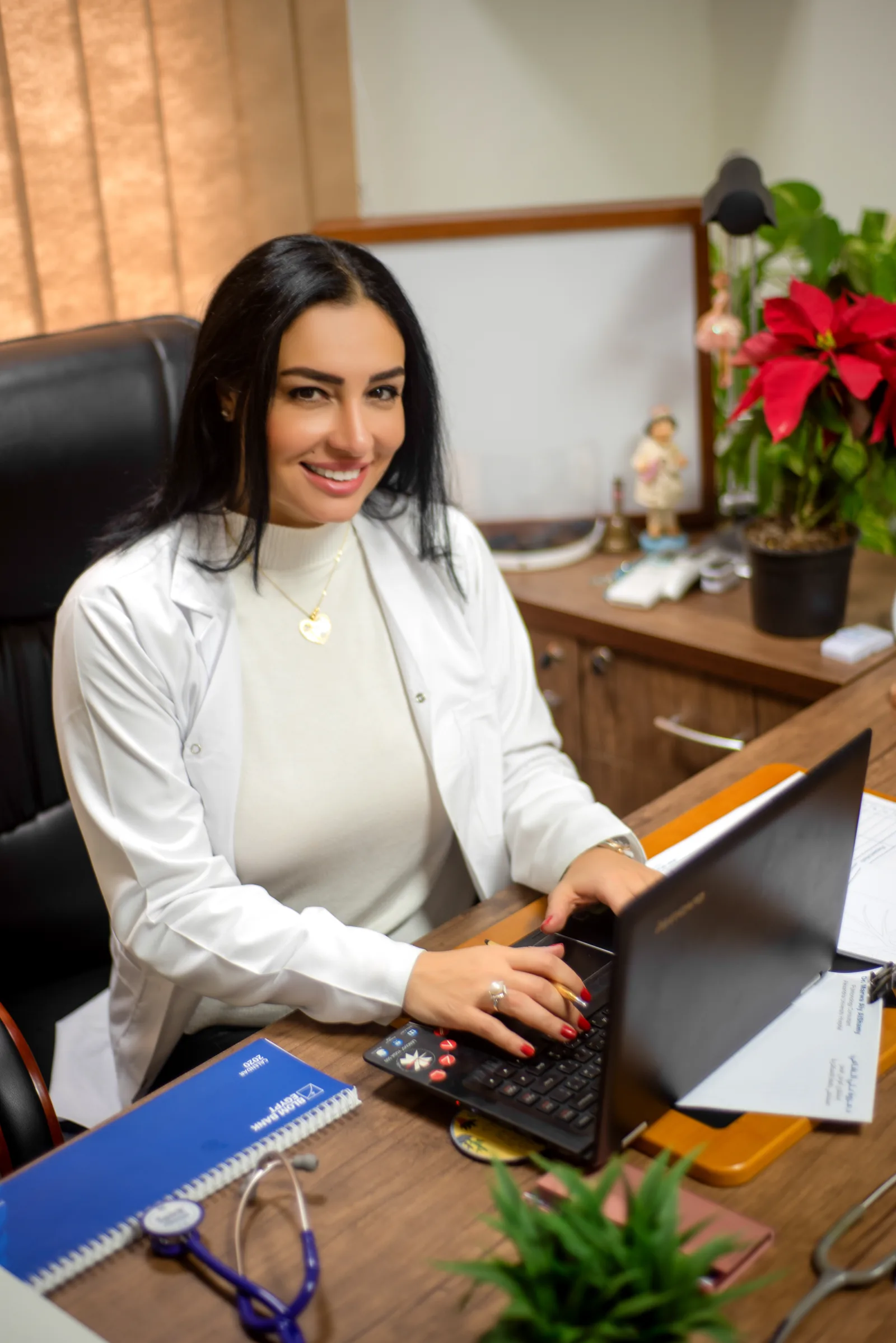
Antes del «katb el-kitab»: el certificado médico que exige la ley, qué revela y por qué no impide el matrimonio
Un examen médico obligatorio antes de registrar el contrato matrimonial, el katb el-kitab, que culmina en un certificado con código QR que exige el maazún o la autoridad eclesiástica. ¿Qué detecta, cuánto cuesta, dónde se hace y por qué importa tanto en Egipto? Y sobre todo: ¿por qué su resultado no puede impedir la boda? Una guía serena para toda pareja de novios angustiada por el «¿y si me sale algo?».
12 de septiembre de 2026 · 9 min de lectura
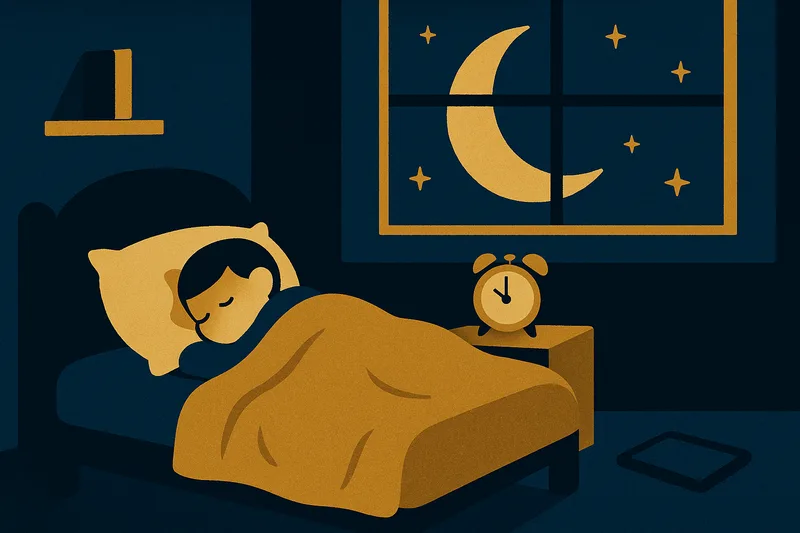
Antes del timbre del 12 de septiembre: un plan de dos semanas para reajustar el sueño de los niños
Con el inicio del año escolar en Egipto el 12 de septiembre, los especialistas en sueño recomiendan adelantar la hora de acostarse y de despertarse de los niños entre 15 y 20 minutos cada noche, empezando desde ahora y no la víspera. Aquí está el plan completo, con las horas de sueño recomendadas para cada edad.
23 de agosto de 2026 · 6 min de lectura
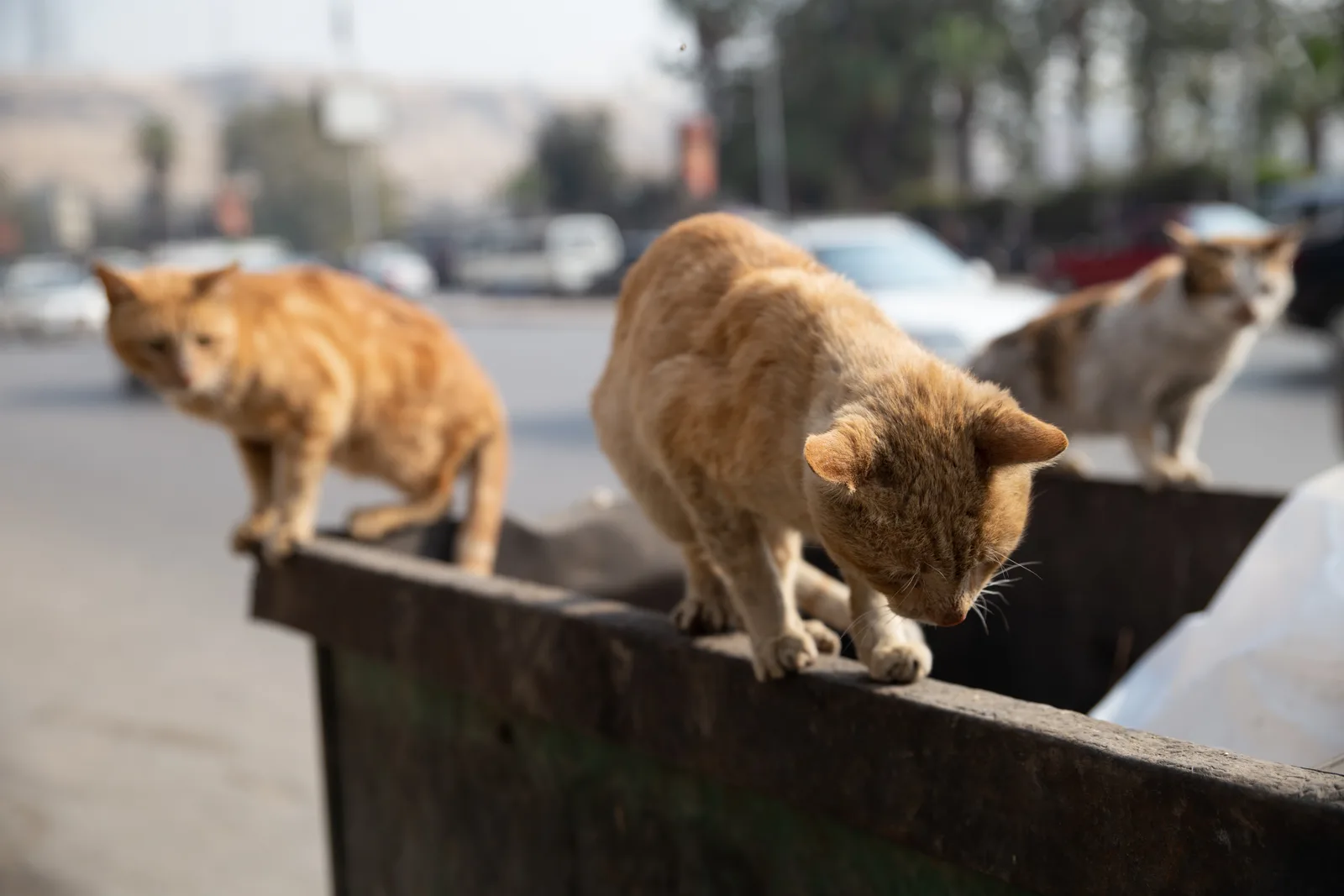
«Keda ghalat» («Esto está mal»): maltratar a un animal es un delito según el Código Penal egipcio desde 1937
Un vecino coloca platos envenenados junto al muro de la escuela; un carretero golpea a su burro en la cara bajo una carga excesiva. Muchos creen que «es solo un animal» y que ninguna ley lo protege. En realidad, los artículos 355, 356 y 357 del Código Penal castigan matar, envenenar y maltratar animales, con penas de hasta prisión. En vísperas del Día Mundial de los Animales, explicamos qué dice la ley.
3 de octubre de 2026 · 6 min de lectura