Un café bajo tu dormitorio: cuando los bajos del edificio se convierten en shisha y juerga hasta el amanecer
Humo que se cuela por los conductos de ventilación hasta los pisos del edificio, un bullicio de voces y carcajadas hasta la madrugada, y un niño que tiene examen por la mañana y no sabe cómo dormir. Convertir los sótanos y las plantas bajas de los edificios residenciales en cafés de shisha abiertos toda la noche es una agresión diaria contra la salud y el descanso de los vecinos. Esto está mal: la vivienda es un derecho que va por delante de cualquier negocio.

En incontables edificios de nuestras ciudades se repite la misma escena: un sótano o una planta baja que un día fue garaje, almacén o vivienda lo alquila alguien y lo convierte de la noche a la mañana en un café: sillas de plástico que invaden la acera, una pantalla gigante para los partidos y decenas de shishas cuyas brasas no se apagan desde media tarde hasta mucho después del amanecer. Justo encima, hay familias que descubren de pronto que su casa ha quedado sobre una velada popular permanente que nadie les consultó.
Empecemos por donde siempre debe empezar esta sección: esto es una agresión moral antes que una infracción administrativa. La casa es la última fortaleza de la persona, el lugar donde uno debería cerrar la puerta sobre su cansancio y dormir. Cuando el humo de la shisha y del tabaco de melaza se cuela por los conductos de ventilación y los patios de luces hasta los dormitorios, y cuando las risas, el bullicio de los hinchas y el golpeteo de las mesas atraviesan las paredes de las viviendas hasta las tres de la madrugada, los dueños del café no están gestionando un negocio: están confiscando el sueño de un edificio entero.
El daño aquí no es una molestia pasajera. El humo ajeno que se filtra en las viviendas perjudica a todos, y sobre todo a los niños, a los enfermos respiratorios y alérgicos y a las personas mayores; la medicina zanjó esa cuestión hace décadas. Y la privación crónica de sueño no es un lujo perdido, sino un daño directo a la salud: un alumno llega agotado a la escuela y su rendimiento cae, un empleado conduce por la mañana con media atención, una madre enferma no encuentra una hora de calma.
Luego están la acera y la calle. El café que empieza con unas pocas sillas ante su puerta se traga enseguida toda la acera y obliga a los peatones a bajar a la calzada; el portal del edificio se convierte en sala de espera y sus vecinos se abren paso hasta sus casas entre mesas y humo, como si fueran huéspedes molestos en su propio hogar.
La ley egipcia no se queda mirando: el problema está en su aplicación. La Ley de Construcción n.º 119 de 2008 y sus requisitos regulan el uso de las unidades y el cambio de actividad; convertir una vivienda o un sótano en local comercial no es un derecho absoluto del propietario, sino un trámite sujeto a normas y autorizaciones. La Ley de Locales Públicos n.º 154 de 2019 exige licencia y fija las condiciones de explotación; la Ley de Lucha contra los Daños del Tabaco n.º 52 de 1981 y sus reformas prohíben fumar en lugares públicos cerrados; y la Ley del Medio Ambiente n.º 4 de 1994 establece límites de ruido que no pueden superarse de noche. Las herramientas legales existen; lo que falta es usarlas.
Y seamos justos: no estamos contra los cafés, parte entrañable de la vida social egipcia, ni contra un joven que abre un negocio para ganarse el pan. Estamos contra una sola cosa muy concreta: que la actividad se instale en un sitio que no sirve para ella y de un modo que convierte el descanso de los vecinos en el precio de sus ganancias. El lugar de un café son las zonas y calles comerciales, con las condiciones establecidas, y no el vientre de un edificio de viviendas sobre el que duermen niños.
Y la responsabilidad no recae solo en el arrendatario. El propietario que alquiló el sótano sabiendo en qué se iba a convertir es cómplice pleno del daño: vendió la tranquilidad de unos vecinos con los que ha convivido años a cambio de un alquiler más alto. Y los organismos de licencias que autorizan una actividad en un emplazamiento no apto, o hacen la vista gorda ante ella, son un tercer cómplice, no menos responsable.
Lo que pedimos al ciudadano: el dueño del café debe hacerse una sola pregunta: ¿aceptaría vivir él y sus hijos encima de su local? Si la respuesta es no, que sepa que está haciendo a la gente lo que no admite para sí mismo. El propietario debe abstenerse de alquilar viviendas y sótanos para actividades que dañan a los vecinos, por tentador que sea el rendimiento. Y los vecinos perjudicados no deben rendirse: la queja colectiva y documentada ante el distrito y las autoridades de licencias es un derecho, y una reclamación serena y organizada rinde más que la pelea diaria.
Y lo que pedimos al Estado: que la vigilancia sobre el cambio de uso de viviendas y sótanos sea real y no estacional; que la licencia de cualquier local público quede ligada a una inspección seria de su emplazamiento y de su impacto en los vecinos; que los límites de ruido nocturno y los horarios de cierre se apliquen de hecho y no de palabra; y que la queja vecinal sea un camino accesible y con resultado, y no un vía crucis entre oficinas que acaba con el expediente archivado.
En la balanza de esta sección la regla es sencilla: el derecho a dormir y a respirar aire limpio está por encima del derecho a trasnochar y a lucrarse. Quien quiera abrir un café, que lo abra donde debe y como debe. Pero convertir edificios de viviendas en salas de fiesta impuestas a sus propios habitantes está mal: mal con el niño que mañana tiene un examen, con el enfermo que necesita sosiego y con la idea misma de hogar.
Noticias relacionadas

«Keda ghalat» («Esto está mal»): maltratar a un animal es un delito según el Código Penal egipcio desde 1937
Un vecino coloca platos envenenados junto al muro de la escuela; un carretero golpea a su burro en la cara bajo una carga excesiva. Muchos creen que «es solo un animal» y que ninguna ley lo protege. En realidad, los artículos 355, 356 y 357 del Código Penal castigan matar, envenenar y maltratar animales, con penas de hasta prisión. En vísperas del Día Mundial de los Animales, explicamos qué dice la ley.
3 de octubre de 2026 · 6 min de lectura
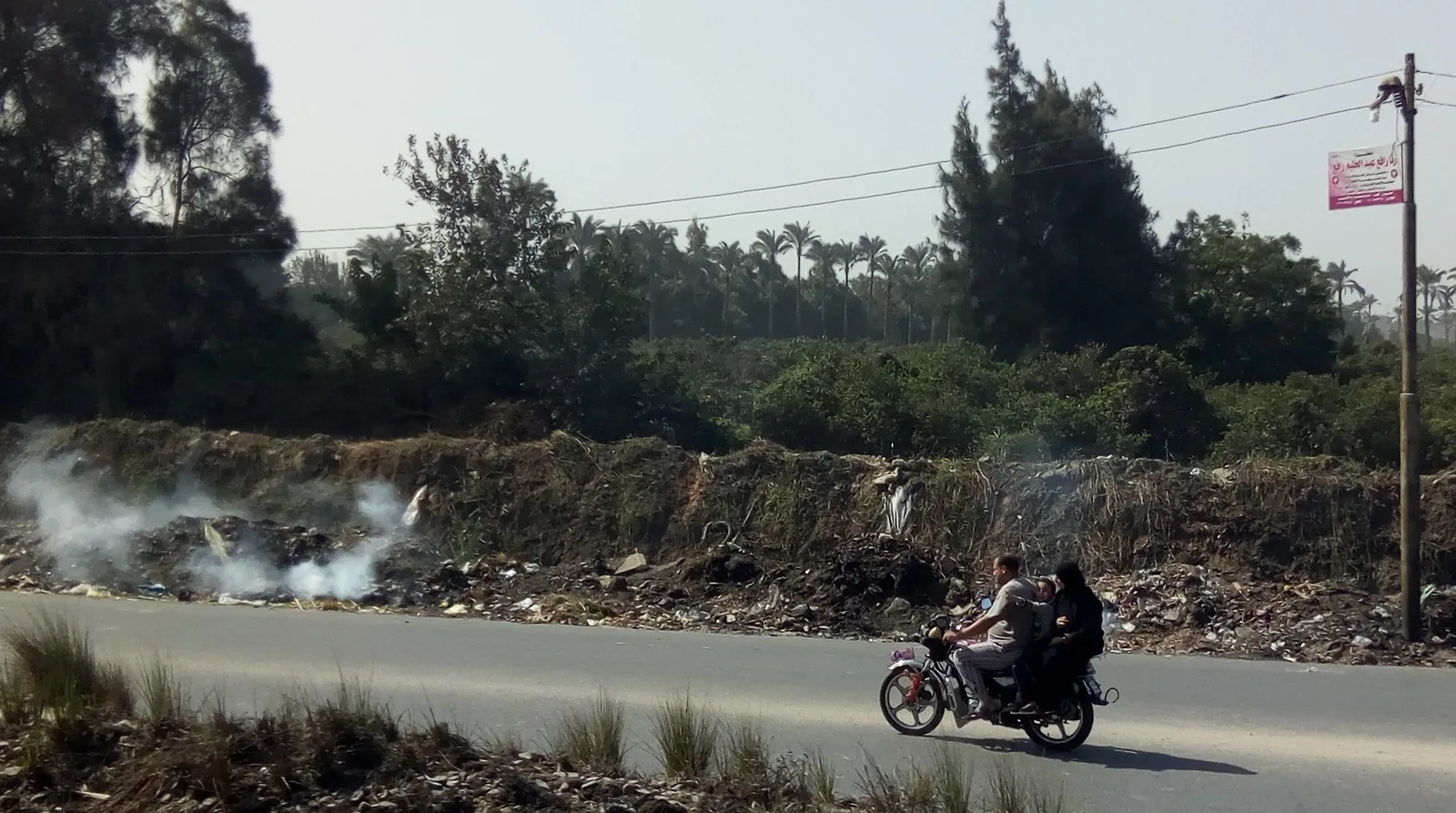
Cuatro en una moto y sin casco: la cabeza descubierta es lo más caro que una familia puede perder en la carretera
En la segunda semana de clases se repite la misma escena: un padre al manillar, un niño delante, otro detrás, la madre con las mochilas, y ni un solo casco. La prensa, citando a la CAPMAS, señala un salto en las muertes de 190 a 897 entre 2020 y 2024, mientras Cochrane muestra que el casco solo reduce el riesgo de muerte un 42%. La ley castiga la cabeza descubierta desde 1999, multa elevada en 2008. ¿Por qué no cumplimos?
23 de septiembre de 2026 · 8 min de lectura
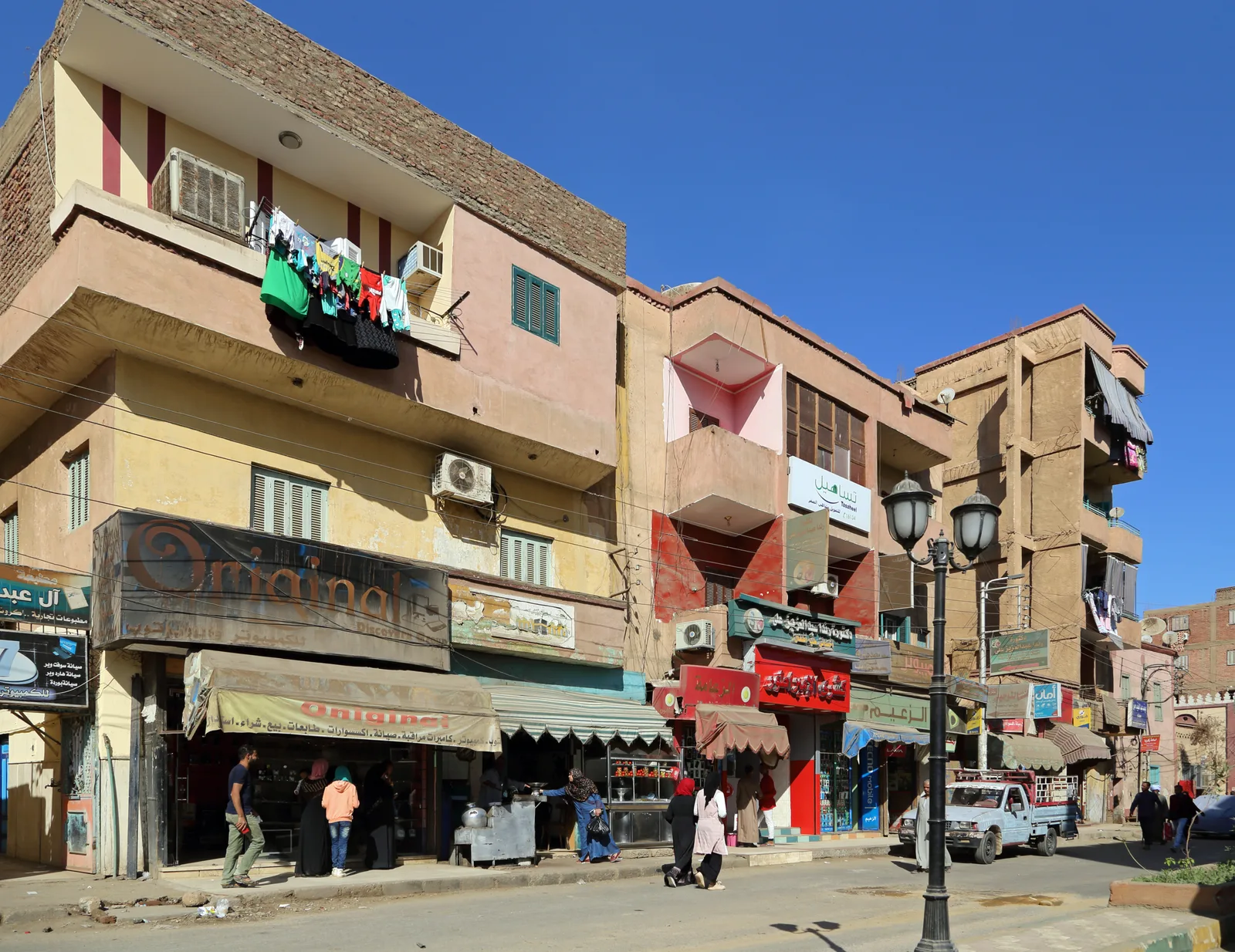
«Un enganche al cable» no es viveza: el robo de electricidad es un delito que paga todo el barrio
Un cable pelado que cuelga de un poste hasta un balcón, un aire acondicionado con un contador inmóvil, y un fusible que salta por tercera vez, dejando a oscuras al vecino que sí paga su factura. El artículo 71 de la Ley de Electricidad llama a esto apropiación indebida de corriente, castigada con prisión y multa, mientras una reforma más dura espera a la Cámara. ¿Qué pierde toda una calle por un enganche? ¿Cuál es la alternativa correcta?
14 de septiembre de 2026 · 7 min de lectura