El metro de El Cairo: cómo mueve a millones bajo una ciudad que nunca se detiene
Desde la inauguración de su primera línea en 1987 —el primer metro de África y Oriente Medio—, el metro de El Cairo se ha convertido en la columna vertebral del desplazamiento diario de millones de egipcios. Contamos cómo nació la red, cómo funcionan sus tres líneas y hacia dónde apuntan sus ambiciosos planes de ampliación.
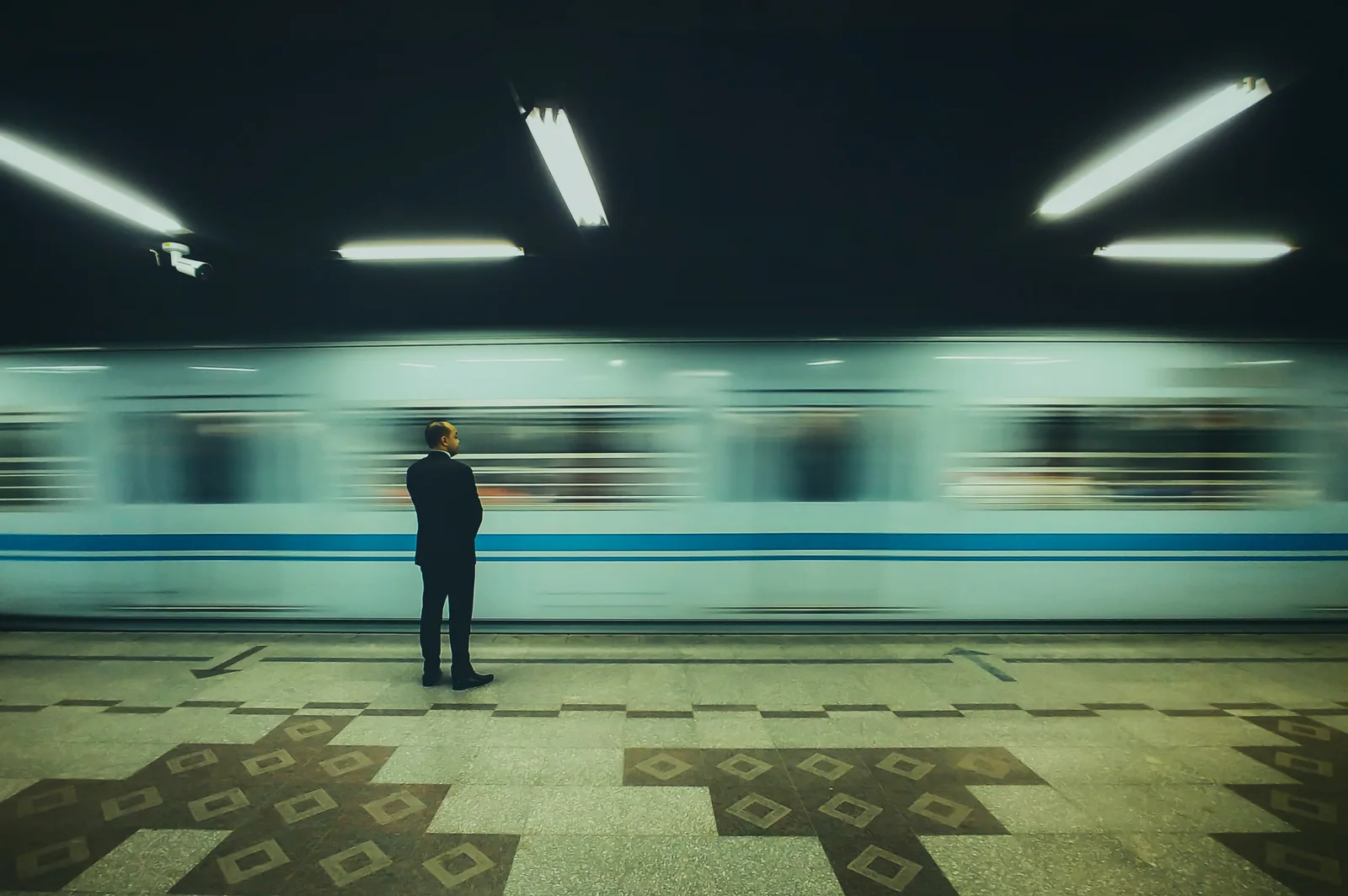
Bajo las calles congestionadas de El Cairo, a pocos metros del estruendo de una de las capitales más densamente pobladas del mundo, discurre una red que ha transformado en silencio la vida de dos generaciones. Cuando la Línea 1 del metro se inauguró en 1987, fue la primera de su tipo en África y Oriente Medio. Casi cuatro décadas después, el metro es la columna vertebral del transporte público del Gran Cairo, una aglomeración de más de veinte millones de habitantes, y uno de los sistemas de transporte urbano más concurridos del continente.
La idea nació de la necesidad. A comienzos de los años ochenta, las calles de la capital habían alcanzado el punto de saturación, y los planificadores optaron por una solución que aprovechaba lo ya existente: unir dos líneas ferroviarias suburbanas, una hacia el sur, hasta Helwan, y otra hacia el norte, hasta El Marg, mediante un túnel que atravesara el corazón de la ciudad. En cooperación con Francia vio la luz una línea de unos cuarenta y cuatro kilómetros que traslada a los viajeros por el centro sin detenerse ante un solo semáforo.
La Línea 2 llegó en los años noventa con un nuevo hito de ingeniería: el primer cruce ferroviario por debajo del cauce del Nilo. Une Shubra El-Kheima, al norte, con El Mounib, en Guiza, pasando por el centro y por la Universidad de El Cairo, uno de los puntos que más pasajeros atraen en la capital. Su construcción se apoyó en tuneladoras que trabajaron en profundidad bajo uno de los entornos urbanos más densos de la región.
La Línea 3, abierta por etapas desde 2012, es la arteria más reciente y más larga de la red. Arranca en Adly Mansour, al este, donde enlaza con el tren eléctrico ligero que se dirige a las ciudades nuevas, cruza el centro de El Cairo hasta Kit Kat y allí se bifurca en dos ramales: uno hacia la Universidad de El Cairo y otro hacia Rod El-Farag. Así el metro llegó a barrios como Heliópolis, Abbasiya, Zamalek e Imbaba.
Las tres líneas se encuentran en estaciones de intercambio que cualquier usuario habitual se sabe de memoria: Sadat, bajo la plaza Tahrir, y Al Shohadaa, en Ramsés, conectan las líneas 1 y 2; Attaba enlaza la 2 con la 3; Gamal Abdel Nasser une la 1 con la 3, y la Universidad de El Cairo comunica la 2 con el ramal sur de la 3. En hora punta estas estaciones absorben flujos enormes de viajeros que se desplazan entre el norte, el sur, el este y el oeste de la capital.
Las cifras de viajeros varían según la fuente y la temporada, pero desde hace años las estimaciones sitúan los desplazamientos diarios en el orden de los millones, lo que convierte al metro de El Cairo en uno de los sistemas más utilizados de África y del mundo árabe. Para cientos de miles de trabajadores y estudiantes no es una opción entre otras, sino el único medio realista de cruzar la ciudad a tiempo y a un coste asumible.
Los billetes se cobran por tramos, según el número de estaciones recorridas, y existen tarjetas recargables para los usuarios habituales. Los trenes reservan además vagones exclusivos para mujeres, con el fin de hacer el trayecto más cómodo en las horas de mayor aglomeración, sin que ello impida a quien lo prefiera viajar en cualquier otro vagón.
Los planes de ampliación se han acelerado en los últimos años. La Línea 4 está en construcción con financiación japonesa en dirección a Guiza y la zona de las pirámides, y hay otras líneas incluidas en el plan de transporte a largo plazo del Gran Cairo. Más allá de la propia red de metro, el tren eléctrico ligero que une Adly Mansour con las nuevas comunidades urbanas al este de El Cairo entró en servicio en los últimos años, mientras se ejecuta un proyecto de monorraíl para conectar la Nueva Capital Administrativa y la Ciudad 6 de Octubre con la red existente.
El argumento económico es nítido: los estudios sobre la congestión del tráfico en El Cairo cifran desde hace años su coste en miles de millones de dólares al año en combustible desperdiciado y tiempo perdido, y cada pasajero que se desplaza bajo tierra significa un coche o un microbús menos en las calles. El metro tiene además un peso social, porque su billete sigue siendo barato frente al transporte privado y las aplicaciones de movilidad, lo que mantiene los desplazamientos urbanos al alcance de las rentas bajas.
El sistema afronta, sin embargo, desafíos reales: los trenes de las líneas más antiguas van abarrotados en hora punta; el mantenimiento de un material rodante envejecido, la mejora de la accesibilidad para las personas con discapacidad y la financiación de las ampliaciones son expedientes apremiantes, a lo que se suma la difícil ecuación entre unas tarifas socialmente aceptables y los costes de explotación, una ecuación que vuelve a primer plano cada vez que se revisan los precios.
Pese a todas las presiones, el metro sigue siendo uno de los éxitos de la infraestructura egipcia con mayor presencia en la vida cotidiana. Lo que empezó como una sola línea en 1987 se ha convertido en un hábito diario para millones de personas, y su plano, redibujado cada pocos años con nuevas estaciones, es una crónica callada del crecimiento continuo de la propia capital.
Noticias relacionadas
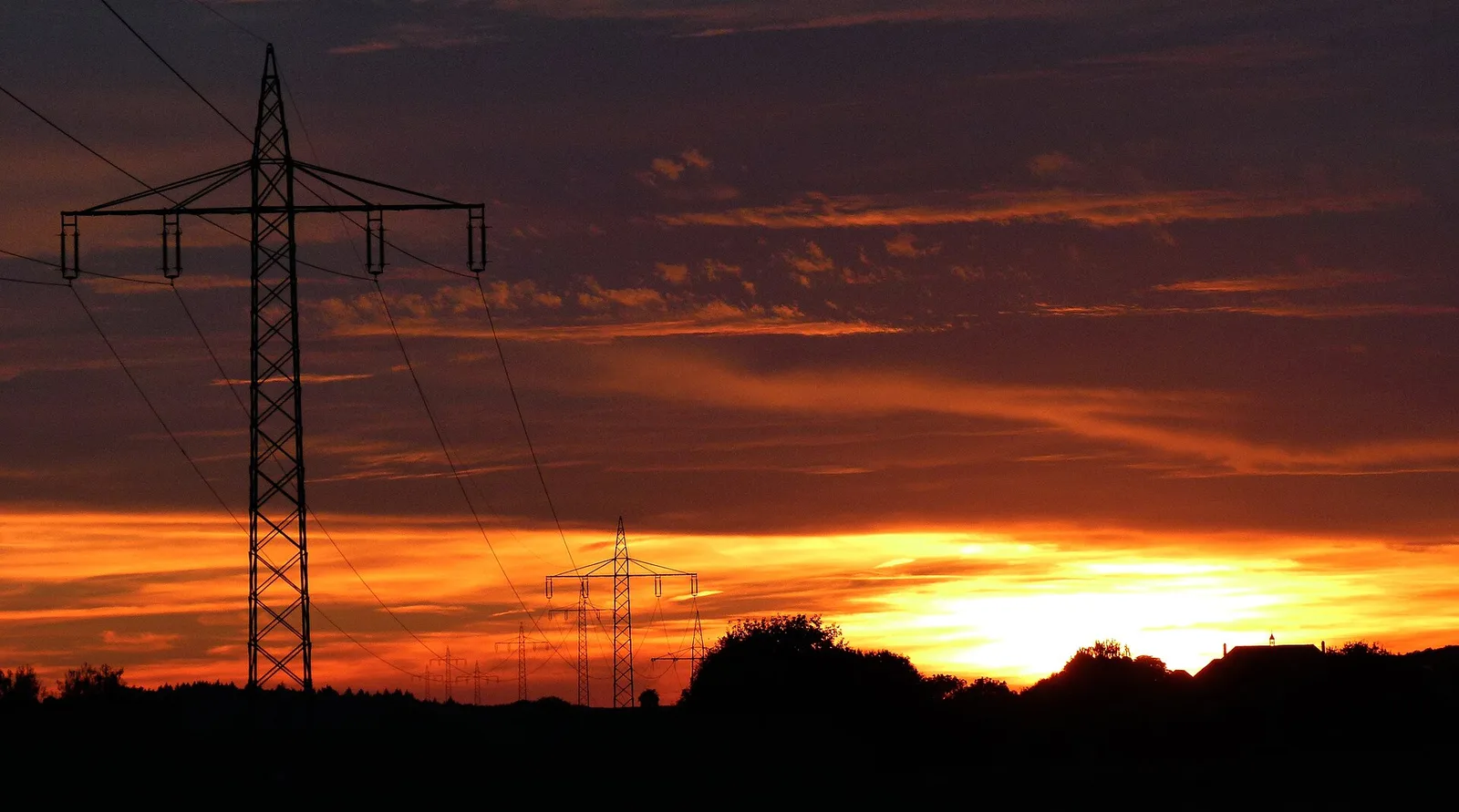
Pico de agosto: la red eléctrica de Egipto supera por primera vez los 40.000 MW sin cortes programados
La red nacional egipcia cruzó por primera vez en su historia el umbral de los 40.000 megavatios durante la ola de calor de la semana pasada, sin que volvieran los cortes de carga. Cómo resistió el suministro de combustible tras el ataque con dron en Damieta, y qué significan las nuevas tarifas por tramos para su factura.
19 de agosto de 2026 · 7 min de lectura
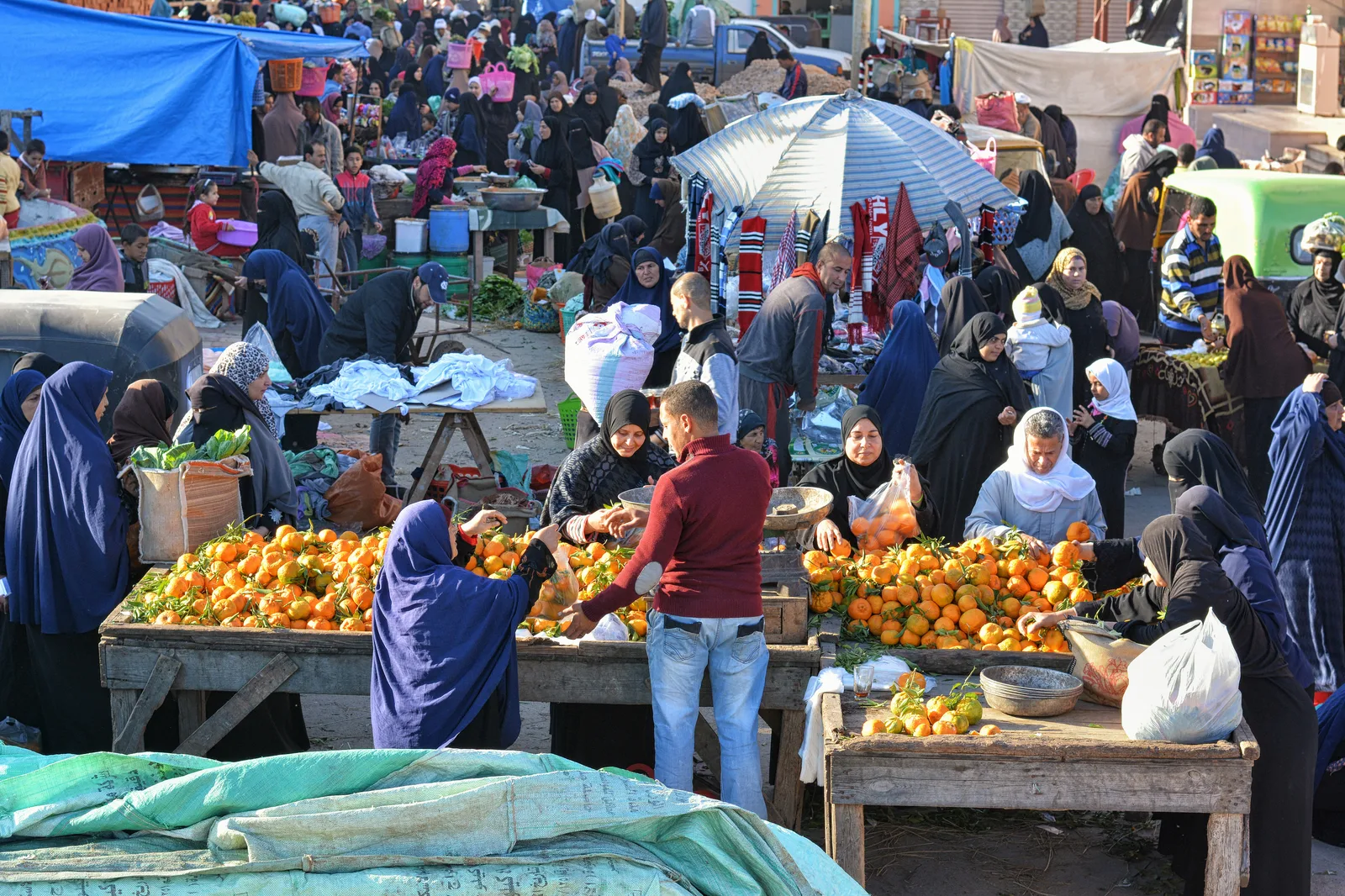
La economía de Egipto en dos cifras: crecimiento del 5,2% y una región en tensión
El Gobierno anuncia un crecimiento del 5,2% en nueve meses mientras revisa escenarios de contingencia actualizados ante la escalada regional. Con la inflación en el 14,9% y el dólar rondando las 50 libras, ¿qué significan estas dos cifras para el bolsillo del ciudadano?
18 de agosto de 2026 · 7 min de lectura
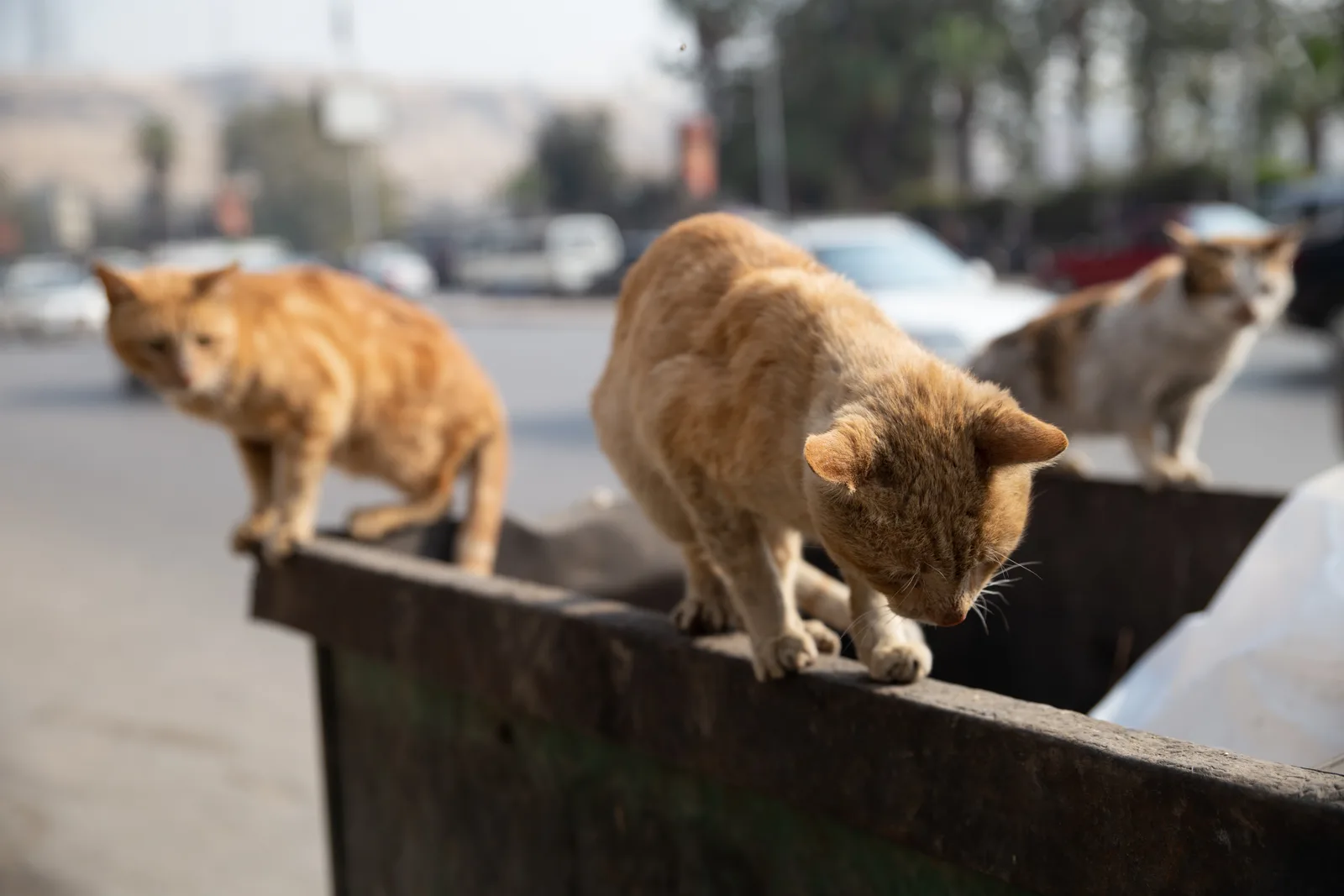
«Keda ghalat» («Esto está mal»): maltratar a un animal es un delito según el Código Penal egipcio desde 1937
Un vecino coloca platos envenenados junto al muro de la escuela; un carretero golpea a su burro en la cara bajo una carga excesiva. Muchos creen que «es solo un animal» y que ninguna ley lo protege. En realidad, los artículos 355, 356 y 357 del Código Penal castigan matar, envenenar y maltratar animales, con penas de hasta prisión. En vísperas del Día Mundial de los Animales, explicamos qué dice la ley.
3 de octubre de 2026 · 6 min de lectura