Criar hijos en la era de las pantallas: ¿qué recomiendan realmente las sociedades de pediatría?
Entre el pánico y la rendición, las sociedades pediátricas del mundo ofrecen pautas serenas y basadas en la evidencia sobre los niños y las pantallas: qué dicen realmente los límites por edad, por qué el sueño es lo primero, por qué el tipo de contenido importa más que los minutos y cómo funciona en la práctica un plan familiar de medios.
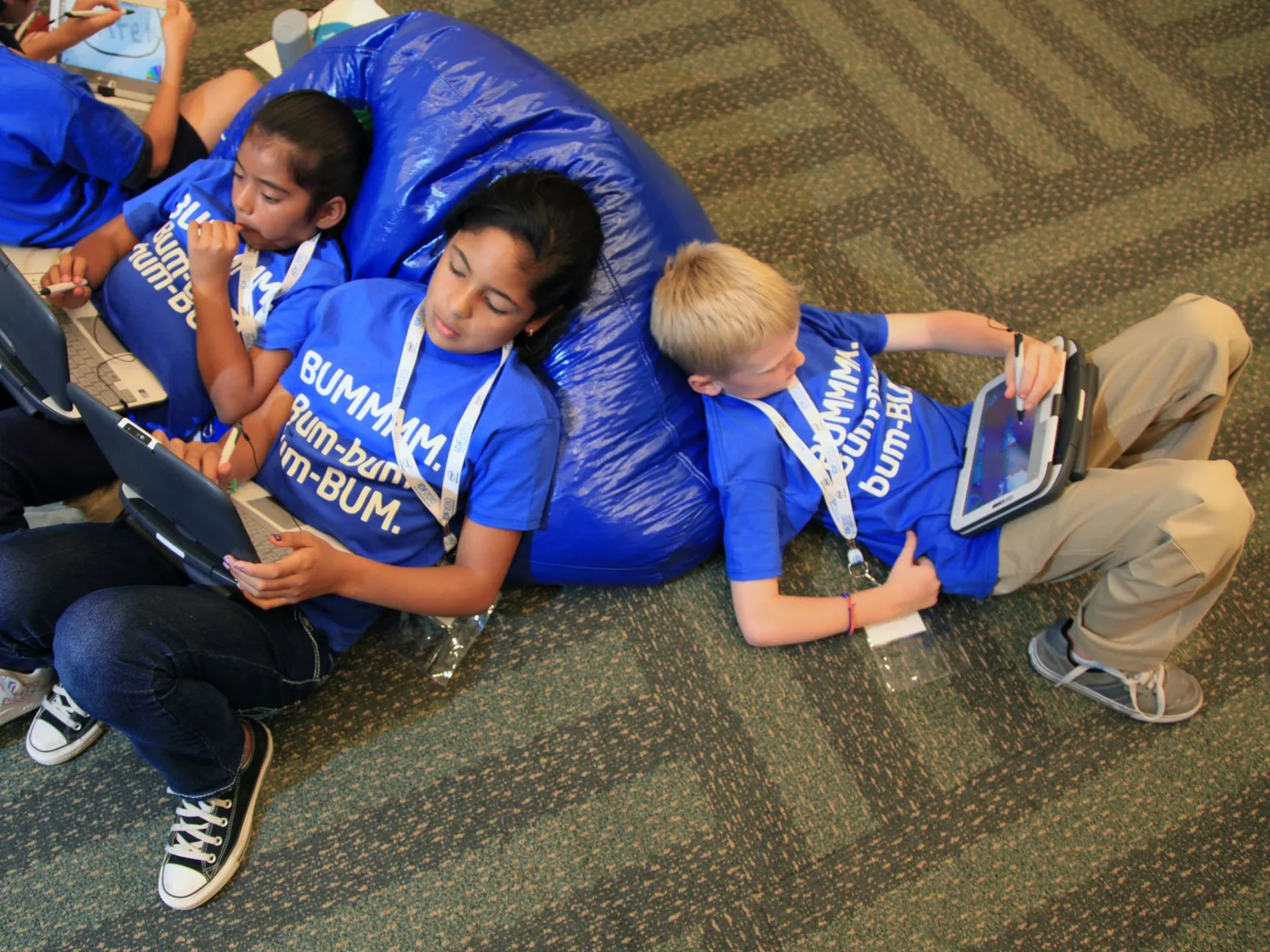
Pocas cuestiones de crianza generan en los hogares egipcios tanta fricción diaria como la pantalla: el teléfono que calla a un niño pequeño en una reunión familiar, la tableta que le compra a una madre o a un padre una hora de calma, el televisor que permanece encendido toda la tarde. Entre las voces que proclaman que las pantallas son una catástrofe y las que se burlan de cualquier preocupación, los padres merecen algo mejor que consignas. Los grandes organismos pediátricos del mundo, entre ellos la Organización Mundial de la Salud y la Academia Estadounidense de Pediatría, han estudiado la evidencia y han publicado recomendaciones prácticas: son más serenas, y más útiles, de lo que sugiere el ruido.
Para los bebés y los niños menores de unos dos años, la recomendación es de una claridad rotunda: evita las pantallas casi por completo, con una sola excepción entrañable, las videollamadas en directo con los abuelos y los familiares. El motivo no es que las pantallas emitan un daño misterioso, sino que el bebé aprende el lenguaje y el pensamiento de los rostros humanos vivos, de las voces y del intercambio recíproco; los estudios de laboratorio constatan una y otra vez que del vídeo apenas aprende nada. A esta edad, cada hora frente a una pantalla es una hora restada a la interacción que de verdad construye el cerebro.
Para los niños de dos a cinco años, el techo más citado es de alrededor de una hora al día, y la Organización Mundial de la Salud añade con claridad que cuanto menos, mejor. El tipo de contenido importa tanto como la cantidad: los programas educativos de ritmo pausado y bien diseñados, vistos en compañía de un adulto que comenta lo que aparece en la pantalla, son otro mundo frente a un torrente interminable de vídeos servidos por algoritmos. A esta edad, que el padre o la madre se siente junto al niño, nombre, pregunte y ría convierte la visión pasiva en algo parecido a una lectura compartida.
Para los niños en edad escolar y los adolescentes, los organismos pediátricos ya no insisten en una cifra mágica de minutos; recomiendan más bien reglas familiares estables construidas sobre prioridades: sueño suficiente para la edad del niño, al menos una hora de movimiento al día, tiempo para los deberes, las comidas y la vida familiar cara a cara, y las pantallas se quedan con lo que sobre. La Academia Estadounidense de Pediatría anima a las familias a redactar un «plan familiar de medios» explícito, para que las reglas se acuerden de antemano en lugar de negociarse en la batalla de cada noche.
La evidencia más sólida y más consistente tiene que ver con el sueño. Las pantallas por la noche retrasan la hora de acostarse, la luz que emiten frena la melatonina, la hormona que le anuncia al cuerpo que es hora de dormir, y la excitación de los juegos y los vídeos hace el resto. Las reglas prácticas son sencillas y, en la mayoría de las guías, innegociables: ni televisor ni teléfono en el dormitorio del niño, todas las pantallas apagadas alrededor de una hora antes de dormir y los aparatos cargándose por la noche fuera de la habitación. El niño que duerme bien gana más con ese único hábito que con muchas otras intervenciones juntas.
Lo que el niño ve importa tanto como el tiempo que pasa viéndolo. El contenido frenético y de montaje veloz entrena la atención para exigir novedad constante; el contenido violento se asocia con la agresividad en un amplio cuerpo de investigaciones, y los algoritmos de recomendación están diseñados para prolongar la visión, no para servir al desarrollo del niño. Elegir programas concretos en lugar de la reproducción automática sin fin, usar los perfiles infantiles y el control parental como ayudas imperfectas y, sobre todo, ver junto al niño y comentar lo que aparece: todo eso inclina la balanza del interés de la plataforma al de la familia.
Hay un culpable silencioso que merece una mención aparte: el televisor encendido de fondo todo el día. Los estudios han comprobado que la televisión de fondo reduce la cantidad y la calidad de la conversación entre padres e hijo e interrumpe el juego de los pequeños, las dos actividades con las que el niño aprende de verdad. El remedio no cuesta nada: apaga el aparato cuando nadie lo esté viendo realmente y mantén las comidas libres de pantallas para todos. Una habitación silenciosa en la que un adulto charla con un niño es un aula más rica de lo que parece.
Los investigadores encuadran cada vez más la cuestión en el concepto de «desplazamiento»: el daño de las pantallas reside sobre todo en aquello que sustituyen. La infancia necesita juego libre, movimiento, un aburrimiento que engendre imaginación, libros de papel y, ante todo, conversación: ese intercambio entre un niño que habla y un adulto que responde que las ciencias del lenguaje consideran el motor del crecimiento del vocabulario. La familia que garantiza esas cosas no tiene por qué alarmarse ante una cantidad razonable de pantalla; la que las pierde no las recuperará ni con las mejores aplicaciones educativas.
Los hábitos de los propios padres forman parte de la receta. Los niños imitan lo que ven, y un padre absorto en el teléfono durante la cena enseña con más elocuencia que cualquier norma proclamada en voz alta. Las guías pediátricas advierten además contra convertir la pantalla en la herramienta automática para calmar cada rabieta: el niño necesita entrenarse en soportar el aburrimiento y la frustración, y el aparato que borra todo momento incómodo borra con él ese entrenamiento. El uso ocasional en un viaje largo es vida real; el uso mecánico en cada instante de silencio es una costumbre que conviene romper, y que empiecen los adultos.
El camino práctico para una familia no es la prohibición ni la rendición, sino un acuerdo claro: zonas sin pantallas, como los dormitorios y la mesa; horas sin pantallas, como la anterior a dormir; contenidos que se eligen en vez de contenidos que arrastran, y alternativas atractivas siempre a mano: un balón, lápices de colores, una tarea en la cocina, un cuento. El cambio avanza con más suavidad por etapas que con una prohibición repentina, y las videollamadas con los familiares lejanos siguen siendo bienvenidas a cualquier edad. La pantalla es una herramienta dentro de casa; y es la familia, no el algoritmo, quien dicta sus condiciones.
Noticias relacionadas

Antes del «katb el-kitab»: el certificado médico que exige la ley, qué revela y por qué no impide el matrimonio
Un examen médico obligatorio antes de registrar el contrato matrimonial, el katb el-kitab, que culmina en un certificado con código QR que exige el maazún o la autoridad eclesiástica. ¿Qué detecta, cuánto cuesta, dónde se hace y por qué importa tanto en Egipto? Y sobre todo: ¿por qué su resultado no puede impedir la boda? Una guía serena para toda pareja de novios angustiada por el «¿y si me sale algo?».
12 de septiembre de 2026 · 9 min de lectura
Antes del timbre del 12 de septiembre: un plan de dos semanas para reajustar el sueño de los niños
Con el inicio del año escolar en Egipto el 12 de septiembre, los especialistas en sueño recomiendan adelantar la hora de acostarse y de despertarse de los niños entre 15 y 20 minutos cada noche, empezando desde ahora y no la víspera. Aquí está el plan completo, con las horas de sueño recomendadas para cada edad.
23 de agosto de 2026 · 6 min de lectura

Vuelta al cole con cabeza: guía práctica para el presupuesto familiar antes del timbre del 12 de septiembre
Antes del arranque del curso escolar en Egipto el 12 de septiembre, una guía práctica para ajustar el presupuesto de la vuelta al cole: las tasas oficiales anunciadas, un inventario de lo que aún sirve del año pasado, prioridades de compra, tácticas de ahorro realistas y cómo contener la mayor partida: las clases particulares.
18 de agosto de 2026 · 6 min de lectura