La economía de Egipto en dos cifras: crecimiento del 5,2% y una región en tensión
El Gobierno anuncia un crecimiento del 5,2% en nueve meses mientras revisa escenarios de contingencia actualizados ante la escalada regional. Con la inflación en el 14,9% y el dólar rondando las 50 libras, ¿qué significan estas dos cifras para el bolsillo del ciudadano?
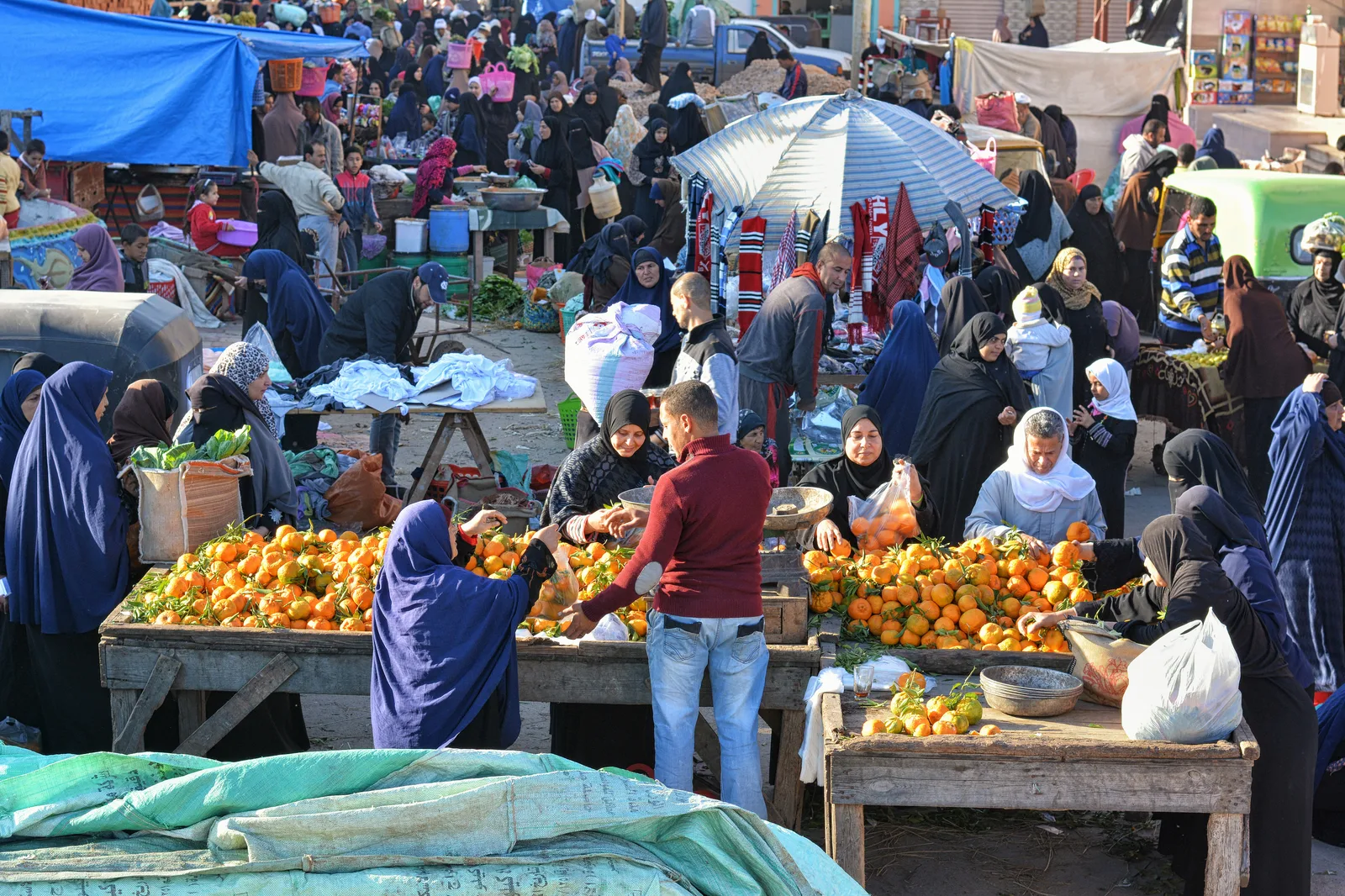
La economía egipcia vive este verano al ritmo de dos cifras que rara vez coinciden en un mismo boletín: un crecimiento del 5,2 % en los primeros nueve meses del ejercicio fiscal 2025/2026, según el Ministerio de Planificación y Desarrollo Económico, y unos escenarios de emergencia «actualizados» que el Gobierno revisa ante las posibles consecuencias de la escalada regional. Entre ambas cifras está el ciudadano, que se pregunta qué significa todo esto para sus precios y para su empleo.
La primera cifra la anunció el Ministerio de Planificación a principios de junio: el producto interior bruto creció un 5,2 % entre julio de 2025 y marzo de 2026, con un 5,3 % tanto en el primer trimestre como en el segundo y un 5 % en el tercero (enero-marzo), justo el que coincidió con el estallido de la última ronda de escalada regional. El ministerio atribuye ese comportamiento a la recuperación de la actividad del sector privado.
La segunda cifra no aparece en ninguna pantalla, pero está presente en cada reunión del Gobierno. El Consejo de Ministros dedicó parte de su reunión semanal, celebrada a mediados de agosto en la nueva ciudad de El Alamein, a examinar los «escenarios actualizados» preparados por los ministerios para afrontar las posibles repercusiones de las tensiones, desde Gaza y Líbano hasta la escalada entre Washington y Teherán, según el comunicado de la Presidencia del Gobierno. Ya a comienzos de marzo, el primer ministro Mostafa Madbuli había ordenado actualizar los «escenarios integrados» y elaborar, en coordinación con el Banco Central, un plan para garantizar las divisas necesarias para los alimentos, los productos petrolíferos y los insumos de producción.
Las líneas de defensa se mueven, por ahora, en sentido ascendente. Según anunció Madbuli en esa misma reunión, las reservas de divisas alcanzaron los 56.300 millones de dólares a finales de julio, unos 1.200 millones más que en junio, mientras el Gobierno asegura que las existencias de algunos productos básicos —el azúcar entre ellos— cubren cerca de un año entero. Desde julio, el Estado intensifica además la acumulación de reservas de combustible ante cualquier alteración de la navegación cerca del estrecho de Ormuz, según informó el portal económico «AGBI».
En el frente de los precios, donde el ciudadano nota antes la tensión, la inflación puso fin a una breve tregua y volvió a subir: 14,9 % en las ciudades durante julio frente al 14,3 % de junio, impulsada sobre todo por los alimentos, según la Agencia Central de Movilización Pública y Estadística (CAPMAS). En enero, antes de que se recrudeciera la escalada, la tasa era del 11,9 %: la carestía se ha acelerado tres puntos porcentuales en medio año.
El tipo de cambio cuenta las dos mitades de la historia a la vez. En el punto álgido de la escalada, a finales de abril, el dólar se situó oficialmente en torno a las 53 libras y rozó las 54 en algunos bancos a principios de mayo, según la cobertura de «Al Arabiya», antes de volver esta semana a unas 50,2 libras según las cotizaciones del Banco Central. La recuperación relativa de la libra alivia el coste de las importaciones, pero sigue dependiendo de que sigan entrando dólares del turismo, del canal y de las remesas de los egipcios en el extranjero.
El canal de Suez, el recurso del Estado más sensible al humor de la región, se está recuperando sin haberse recuperado del todo. Sus ingresos alcanzaron los 4.670 millones de dólares en el ejercicio 2025/2026, un 23 % más, con una media mensual de unos 390 millones, según el Fondo Monetario Internacional: menos de la mitad de su máximo histórico, cercano a los 10.000 millones de dólares anuales antes de la crisis del mar Rojo. Cada mes por debajo de ese techo son divisas que no entran en las arcas del Estado ni sostienen a la libra.
El turismo ha sido hasta ahora la excepción regional. Las llegadas crecieron un 16 % en el primer trimestre de 2026, mientras que el turismo en todo Oriente Medio retrocedía un 14 %, según datos de ONU Turismo recogidos por «Al-Ahram», y el país recibió 6,1 millones de visitantes en los cuatro primeros meses, un 7 % más. Los ingresos del sector subieron además hasta los 10.200 millones de dólares en el primer semestre del ejercicio, un 17,3 % más, según cifras oficiales difundidas por «Egypt Independent». Pero la desaceleración del crecimiento acumulado, del 16 % al 7 % con la entrada de abril, muestra la rapidez con que cualquier escalada golpea a un sector del que viven millones de familias.
En materia de empleo, el Ministerio de Planificación atribuye el crecimiento a una mayor actividad del sector privado, el primer empleador de la economía. El Fondo Monetario Internacional, sin embargo, rebajó su previsión de crecimiento para el ejercicio 2026/2027 hasta alrededor del 4,4 % y lo achacó a la caída de la inversión, al encarecimiento de la financiación y a la incertidumbre ligada al conflicto: factores que suelen frenar la creación de puestos de trabajo antes de asomar en cualquier otro indicador.
La preparación también tiene su precio. En abril, el comité de gestión de crisis presidido por Madbuli aprobó un paquete de medidas para racionalizar el gasto público y el consumo, mientras la constitución de reservas de alimentos y combustible consume parte de unos recursos en divisas ya escasos. La ecuación que el Gobierno hace pública es tranquilizar a los mercados sin agotar unas reservas que exhibe como prueba de solidez.
En las próximas semanas, tres indicadores dibujarán el estado del «bolsillo del ciudadano»: los datos de inflación de agosto y la persistencia o no de la ola alimentaria, el ritmo de regreso de las navieras al canal y la trayectoria de los precios del petróleo, rehén del compás de espera regional. Todos ellos pesarán en las decisiones del Banco Central sobre los tipos de interés.
La conclusión es que ambas cifras son ciertas a la vez: una economía que crece a uno de sus ritmos más rápidos en años, dentro de una región capaz de morder ese crecimiento por los bordes en cualquier momento. El alza de las reservas y los almacenes llenos no dejan margen para el pánico; una inflación cercana al 15 % y un canal a menos de la mitad de su capacidad de ingresos no dejan margen para la relajación.
Noticias relacionadas
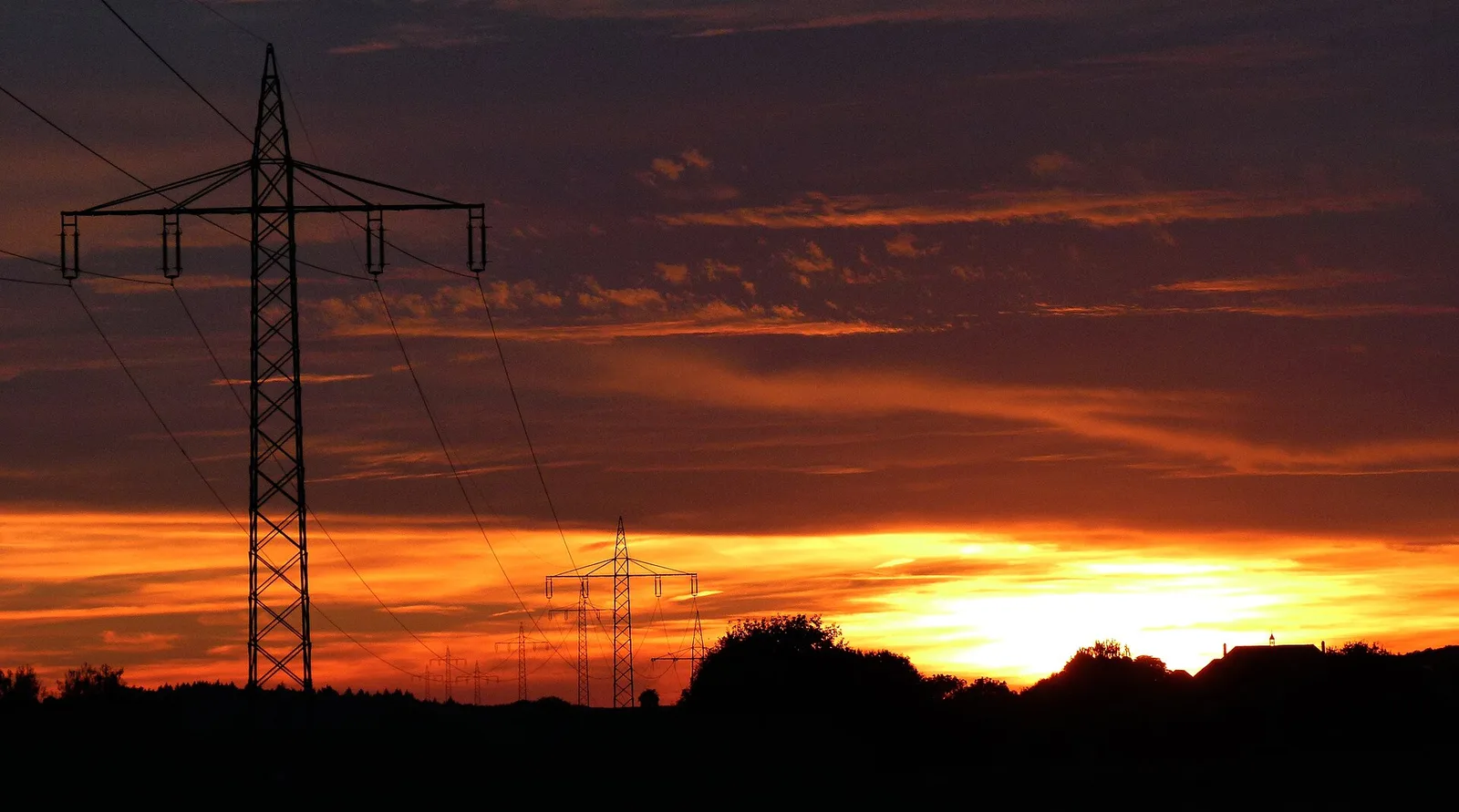
Pico de agosto: la red eléctrica de Egipto supera por primera vez los 40.000 MW sin cortes programados
La red nacional egipcia cruzó por primera vez en su historia el umbral de los 40.000 megavatios durante la ola de calor de la semana pasada, sin que volvieran los cortes de carga. Cómo resistió el suministro de combustible tras el ataque con dron en Damieta, y qué significan las nuevas tarifas por tramos para su factura.
19 de agosto de 2026 · 7 min de lectura
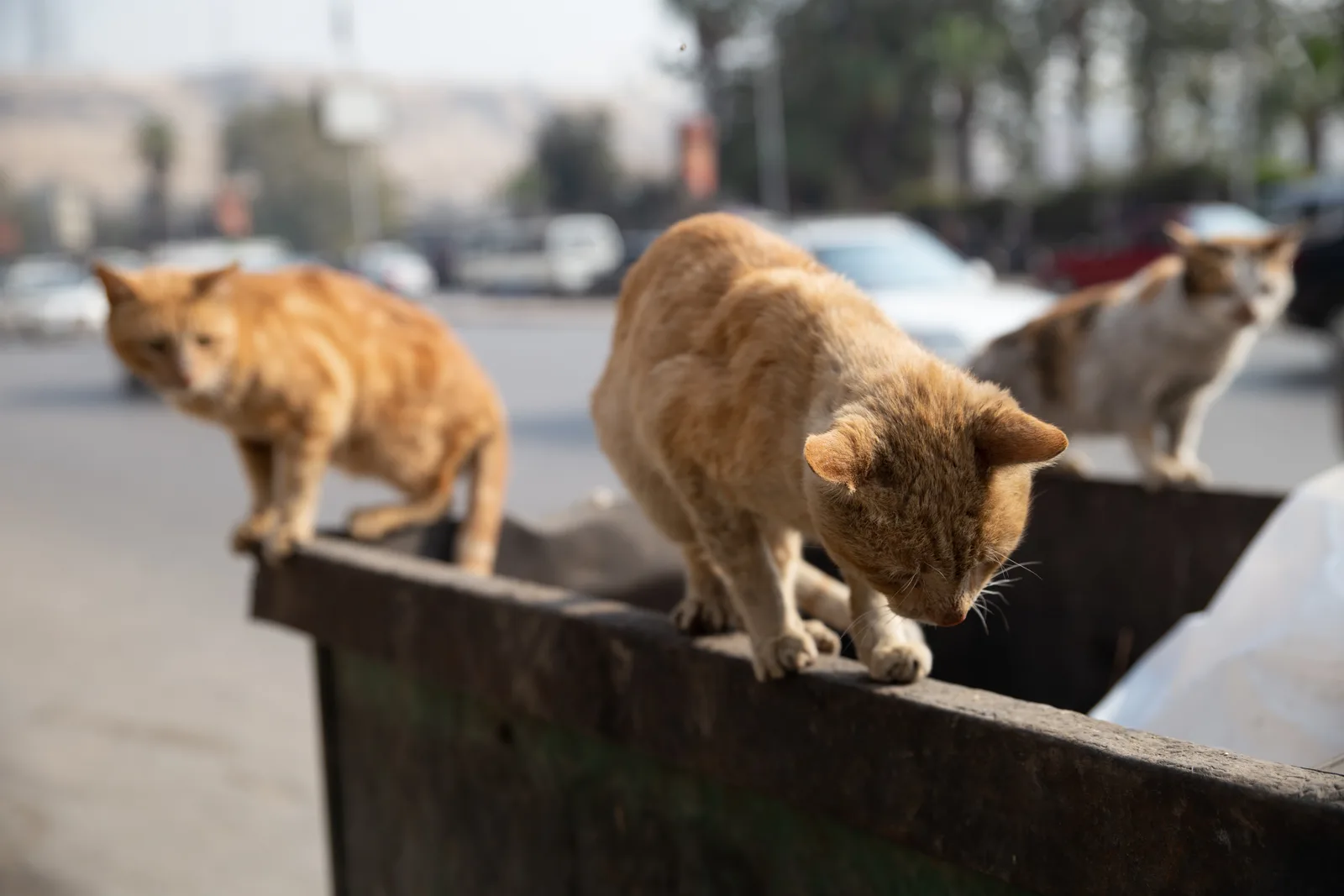
«Keda ghalat» («Esto está mal»): maltratar a un animal es un delito según el Código Penal egipcio desde 1937
Un vecino coloca platos envenenados junto al muro de la escuela; un carretero golpea a su burro en la cara bajo una carga excesiva. Muchos creen que «es solo un animal» y que ninguna ley lo protege. En realidad, los artículos 355, 356 y 357 del Código Penal castigan matar, envenenar y maltratar animales, con penas de hasta prisión. En vísperas del Día Mundial de los Animales, explicamos qué dice la ley.
3 de octubre de 2026 · 6 min de lectura

Octubre rosa: chequeo gratuito en la unidad de salud, por qué la detección precoz cambia el destino de la mujer egipcia
«No me duele nada» no es motivo para aplazarlo. Desde julio de 2019, las unidades de salud de Egipto abren sus puertas gratuitamente a toda mujer a partir de los 18 años, y en junio de 2026 la proporción de casos detectados en fase avanzada había caído del 60 % al 19,5 %. Explicamos qué ocurre en la unidad, qué señales exigen una visita y por qué el miedo retrasa esta revisión esencial.
2 de octubre de 2026 · 7 min de lectura