Pico de agosto: la red eléctrica de Egipto supera por primera vez los 40.000 MW sin cortes programados
La red nacional egipcia cruzó por primera vez en su historia el umbral de los 40.000 megavatios durante la ola de calor de la semana pasada, sin que volvieran los cortes de carga. Cómo resistió el suministro de combustible tras el ataque con dron en Damieta, y qué significan las nuevas tarifas por tramos para su factura.
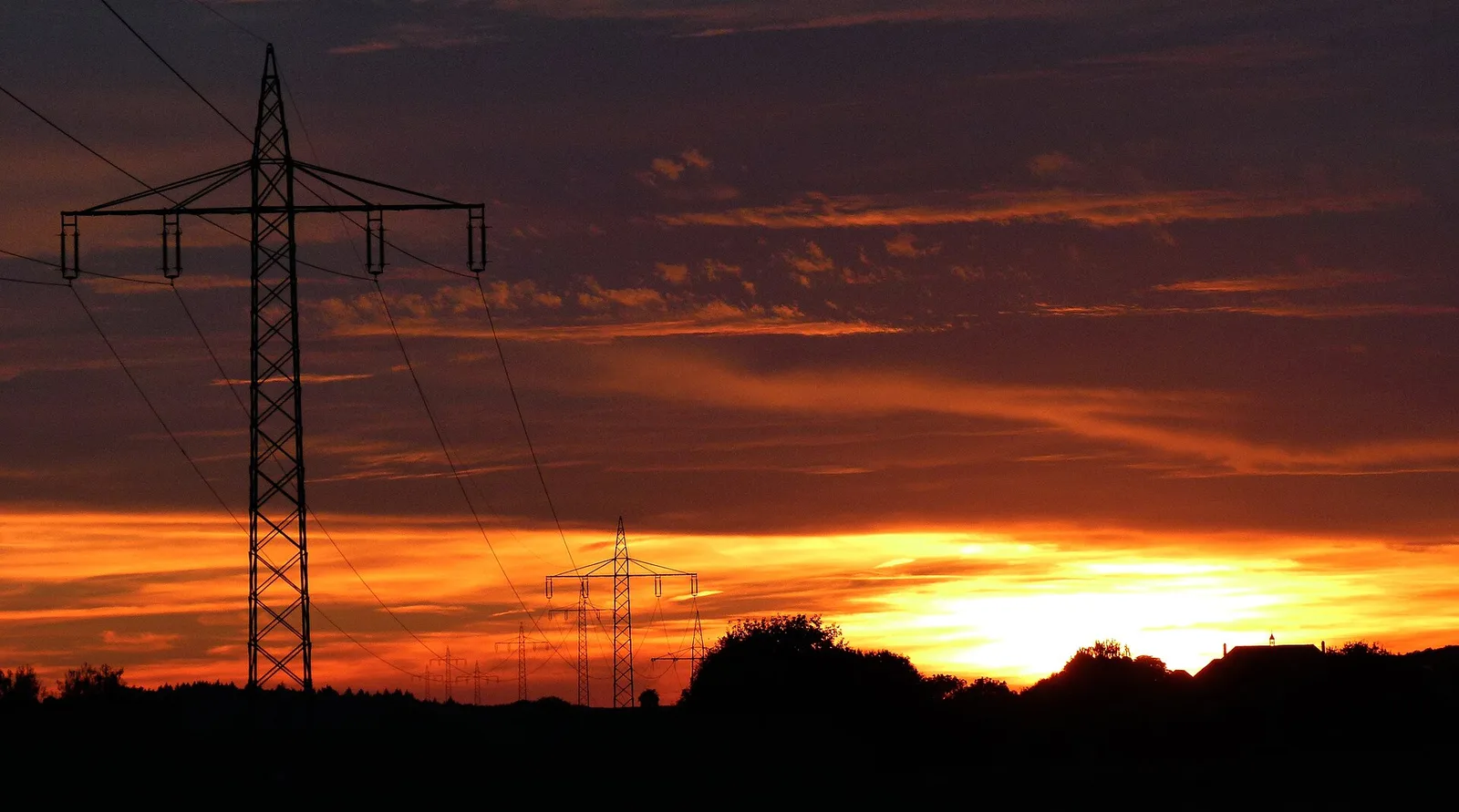
La red eléctrica nacional superó la semana pasada un umbral que nunca había alcanzado en su historia: 40.000 megavatios el martes 11 de agosto y 40.200 megavatios al día siguiente, según datos del Ministerio de Electricidad y Energías Renovables. El pico pasó sin que se volviera a los cortes programados, en el segundo verano completo que la red atraviesa sin apagones planificados desde que se suspendieron en julio de 2024.
La secuencia muestra la dureza del episodio: el lunes 10 de agosto la demanda se situó en 39.300 megavatios, el martes saltó a 40.000 y superó el pico del verano de 2025, que fue de 39.800, y el miércoles 12 de agosto marcó su récord histórico en 40.200 megavatios. El ministerio afirmó que la red unificada absorbió la carga en todas las gobernaciones con un suministro estable, mientras que la media se estabilizó después en torno a 38.500 megavatios, según fuentes del propio ministerio citadas por la plataforma «Amwal Al Ghad».
Detrás del salto hubo una ola de calor que llevó los termómetros a rozar los 40 grados centígrados en El Cairo y su área metropolitana, y a superarlos en el Alto Egipto, con un uso intensivo de aparatos de aire acondicionado y refrigeración. Antes del verano, los ministerios de Electricidad y de Petróleo habían previsto un crecimiento de la demanda de entre el 7 y el 8 por ciento respecto al año pasado, mientras que una fuente del servicio eléctrico apuntó en junio, según el portal «Masrawy», que la carga podría llegar a 42.000 megavatios en agosto, algo que hasta ahora no ha ocurrido.
Los cortes programados, que los egipcios padecieron desde el verano de 2023 a medida que caía la producción nacional de gas, cesaron definitivamente en la tercera semana de julio de 2024 por decisión del Gobierno. El primer ministro, Mustafa Madbuli, se comprometió en septiembre de 2024 a no volver a ellos tras haber reunido más de 2.500 millones de dólares para asegurar el combustible, y el portavoz del Ministerio de Electricidad, Mansur Abdelgani, repitió el pasado junio que el verano de 2026 sería «sin cortes de carga», y lo describió como una decisión de Estado.
Ese aguante tiene un coste elevado en combustible: en los días de mayor demanda, las centrales queman más de 3.800 millones de pies cúbicos de gas al día y más de 12.000 toneladas de fueloil, según fuentes del Ministerio de Electricidad citadas por «Amwal Al Ghad». Con la caída de la producción interna, Egipto se ha apoyado con fuerza en la importación de gas natural licuado: sus compras alcanzaron un récord de 8,92 millones de toneladas en 2025, según la plataforma «Egypt Oil & Gas», mientras que «S&P Global» calculó que el país había contratado unos 150 cargamentos para cubrir sus necesidades hasta el final del verano de 2026.
Para convertir esos cargamentos en gas que entra en la red, tres buques regasificadores flotantes operan en Ain Sokhna con una capacidad conjunta de 2.250 millones de pies cúbicos diarios, a los que se suma el buque «Energos Winter» en Damieta, con 450 millones. Un quinto barco, el «Hoegh Gandria», debe llegar en el último trimestre de 2026 con un contrato de diez años, según «Egypt Oil & Gas».
El sistema de suministro afrontó una prueba temprana el 29 de julio, cuando se declaró un incendio en un buque regasificador y en un barco de almacenamiento en el puerto de Damieta. El Consejo de Ministros señaló que las investigaciones preliminares apuntaban a que un dron causó el incidente, que no dejó heridos, y ninguna parte reivindicó la autoría. El ministro de Petróleo, Karim Badaui, aseguró que el suministro de gas y combustible a las centrales estaba «asegurado» y que las alternativas operativas entraron en funcionamiento de inmediato, mientras que el boletín especializado «MEES» tituló que la pérdida de capacidad de regasificación en Damieta «pone a prueba» el equilibrio gasista egipcio.
En la propia red también ha cambiado mucho desde la crisis de 2023: el ministerio construyó 34 nuevas subestaciones transformadoras y modernizó otras 40 durante el último año, según su portavoz, y elevó el nivel de alerta con equipos de emergencia y mantenimiento y comisiones de inspección activos las veinticuatro horas durante la ola de calor. Informes especializados recogidos por «Zawya» apuntan además a planes para sumar 2,2 gigavatios de energías renovables y 1,3 gigavatios hora de almacenamiento en baterías a lo largo de 2026.
En tu factura hay un cambio oficial este mes: los nuevos precios se aplicaron al consumo de julio, cuyo cobro empezó el 1 de agosto. El primer tramo (hasta 50 kilovatios hora) se mantiene congelado en 68 piastras, mientras que el resto de los tramos domésticos sube un 12 por ciento: el segundo (51-100) pasa a 87,36 piastras; el tercero (101-200), a 106,4; el cuarto (201-350), a 173,6; el quinto (351-650), a 218,4; el sexto (651-1000), a 235,2; y el séptimo (más de 1000), a 289 piastras, según publicaron «Sada El-Balad», «Roayah» y «Al Arabiya». Los llamados contadores codificados se facturan a una tarifa única de 2,74 libras por kilovatio hora, tras la subida de cerca del 28 por ciento aplicada el pasado abril desde 2,14 libras, según «Masrawy».
Aunque los precios no hubieran cambiado, la factura de agosto es de por sí más alta: el sistema de tramos es progresivo y cada hora extra de aire acondicionado empuja tu consumo mensual hacia un tramo más caro, con lo que sube el precio medio del kilovatio hora que pagas. Como muestra del peso del verano, el sector doméstico se llevó la mayor parte de la energía generada en agosto de 2025, unos 7.732 gigavatios hora de un total de 23.959, cerca del 32 por ciento, según datos del sector eléctrico recogidos por «Youm7».
Los consejos de ahorro con más efecto empiezan por el aire acondicionado, en el que se centran las recomendaciones del ministerio por ser el principal motor del pico veraniego: ponlo a 24 grados centígrados o más, limpia los filtros con regularidad y, al comprarlo, elige un aparato de alta eficiencia energética con una potencia adecuada al tamaño de la habitación. Segundo: aleja los electrodomésticos que más consumen, como calentadores de agua, bombas de elevación de agua y lavadoras, de las horas punta de la noche. Tercero: ilumina solo las habitaciones que estés usando y utiliza bombillas de bajo consumo. Son las recomendaciones que anunció el portavoz del ministerio al inicio del verano.
La última prueba para el compromiso del Gobierno es lo que queda de agosto, el mes más duro para la red, antes de que la demanda ceda, como suele ocurrir, con la moderación de las temperaturas en septiembre. Hasta ahora las cifras dicen que la red ha resistido la mayor demanda de su historia; será la factura de este mes, que junta el consumo de la ola de calor con los nuevos precios, la que deje el efecto más claro en el bolsillo del ciudadano.
Noticias relacionadas
La economía de Egipto en dos cifras: crecimiento del 5,2% y una región en tensión
El Gobierno anuncia un crecimiento del 5,2% en nueve meses mientras revisa escenarios de contingencia actualizados ante la escalada regional. Con la inflación en el 14,9% y el dólar rondando las 50 libras, ¿qué significan estas dos cifras para el bolsillo del ciudadano?
18 de agosto de 2026 · 7 min de lectura
«Keda ghalat» («Esto está mal»): maltratar a un animal es un delito según el Código Penal egipcio desde 1937
Un vecino coloca platos envenenados junto al muro de la escuela; un carretero golpea a su burro en la cara bajo una carga excesiva. Muchos creen que «es solo un animal» y que ninguna ley lo protege. En realidad, los artículos 355, 356 y 357 del Código Penal castigan matar, envenenar y maltratar animales, con penas de hasta prisión. En vísperas del Día Mundial de los Animales, explicamos qué dice la ley.
3 de octubre de 2026 · 6 min de lectura

Octubre rosa: chequeo gratuito en la unidad de salud, por qué la detección precoz cambia el destino de la mujer egipcia
«No me duele nada» no es motivo para aplazarlo. Desde julio de 2019, las unidades de salud de Egipto abren sus puertas gratuitamente a toda mujer a partir de los 18 años, y en junio de 2026 la proporción de casos detectados en fase avanzada había caído del 60 % al 19,5 %. Explicamos qué ocurre en la unidad, qué señales exigen una visita y por qué el miedo retrasa esta revisión esencial.
2 de octubre de 2026 · 7 min de lectura