La espiral de los costes del matrimonio en Egipto: la dote, la shabka, el piso... y un debate renovado sobre bodas más sencillas
De la dote y la shabka al piso y la qayma, la lista de requisitos para casarse en Egipto se ha convertido en una montaña financiera que aplaza los sueños de los jóvenes. Un repaso sereno a la anatomía de los costes, a las presiones sociales que los alimentan y a los crecientes llamamientos religiosos y sociales en favor de bodas más sencillas.
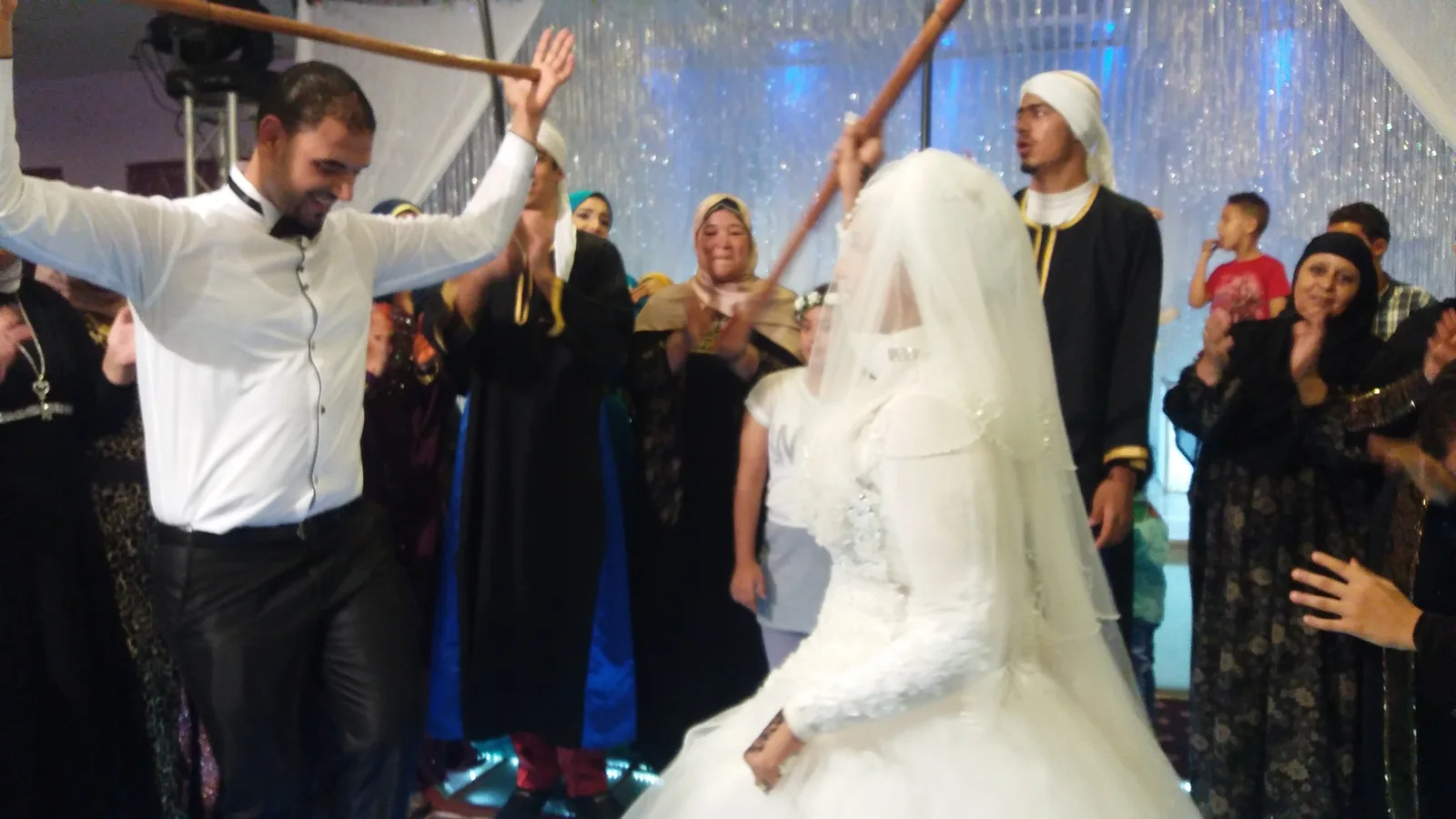
Pocos momentos en la vida de los egipcios reúnen tanta alegría — y tantas cuentas — como el matrimonio. Mucho antes de la zaffa, el cortejo nupcial, y del salón de bodas, dos familias se sientan a negociar una lista que se vuelve más pesada con cada generación: la dote, el oro, el piso, los muebles, los electrodomésticos y, por último, la fiesta. Lo que antaño era un pacto sellado con regalos modestos se ha convertido, para muchos hogares, en una montaña financiera que exige años de ahorro para escalarla, hasta el punto de que el coste de casarse alimenta desde hace décadas una conversación nacional que nunca termina.
La lista tiene su propio vocabulario. El mahr es la dote que el novio entrega a la novia, una obligación religiosa en el islam para la que la ley islámica no fija ningún mínimo. La shabka es el oro — anillos, pulseras, a veces un juego completo — cuyo peso suele leerse como medida de la seriedad del compromiso. Después llegan el piso, los muebles y los electrodomésticos conocidos como el gehaz y, en muchas familias, la «qayma»: un inventario firmado del contenido del hogar conyugal que garantiza a la novia sus derechos sobre sus bienes.
Es la costumbre, y no la ley, la que reparte las cargas, y la costumbre cambia según la región y la clase social. En el arreglo urbano más extendido, el novio se hace cargo del piso y de la shabka mientras la familia de la novia amuebla buena parte de la casa; en el campo el equilibrio puede ser otro. En teoría, cada partida es negociable. En la práctica, las familias se sienten vigiladas por parientes y vecinos, y el miedo a parecer tacaños — o a rebajar el valor de la hija — empuja a ambas partes hasta el límite de sus posibilidades, y a veces más allá.
La partida más pesada de la lista es la vivienda. En El Cairo, Alejandría y las abarrotadas ciudades del Delta, el precio de un piso incluso modesto puede devorar muchos años de un sueldo corriente, y por eso la pregunta «¿tiene piso?» precede a menudo a cualquier pregunta sobre el carácter. Algunos novios compran viviendas sin terminar y las rematan habitación por habitación; otros firman largos planes de pago a plazos; muchos aplazan el proyecto entero. El obstáculo de la vivienda, más que el oro o la fiesta, es lo que estira los noviazgos durante años.
La celebración tiene su propia inflación: salón de bodas u hotel, la kosha —el estrado de los novios—, cantante o DJ, fotografía, vestidos y trajes, cena para cientos de invitados. Cada uno de esos elementos se ha convertido en un escenario donde las familias exhiben su posición. Las redes sociales han afilado la comparación: hoy toda boda se graba, se publica y se mide con las demás. Muchos padres reconocen en privado que el dinero de la fiesta habría estado mejor invertido dentro de la nueva casa, pero pocos se atreven a ser los primeros en moderarse.
Sociólogos y hombres de religión llevan mucho tiempo vinculando estos costes al lento aumento de la edad para casarse. Los jóvenes retrasan la petición de mano hasta poder afrontar la lista; los noviazgos se alargan y a veces se rompen bajo la presión; las familias agotan sus ahorros o se suman a las gameyat, las cajas de ahorro informales del barrio, para reunir el dinero. La carga no recae solo sobre el novio: las familias de las novias venden con frecuencia tierras u oro para equipar la casa, y ambos hogares pueden empezar la vida conyugal ya cargados de deudas.
Las instituciones religiosas de Egipto predican la moderación desde hace generaciones. Los ulemas citan el hadiz según el cual el matrimonio más bendecido es el de menor coste, y los sermones del viernes instan periódicamente a las familias a rebajar dotes y expectativas; los sacerdotes coptos aconsejan lo mismo a quienes van a casarse. El mensaje religioso es constante: el matrimonio es un pacto y una responsabilidad, no un escaparate, y ponerlo fuera del alcance de los jóvenes constituye en sí mismo un daño social.
Las alternativas existen y crecen. Asociaciones benéficas de todo el país organizan bodas colectivas que equipan de una vez a decenas de parejas con lo básico del hogar, una tradición asentada en muchas gobernaciones. Algunas familias anuncian ya abiertamente que se conforman con una dote simbólica o que han renunciado por completo a la qayma, y presentan esa decisión como una muestra de confianza y no como una concesión. Las figuras públicas y los predicadores que celebran las bodas sencillas reciben un aplauso amplio en internet, señal de que la conversación se está moviendo aunque las costumbres avancen despacio.
A quienes se casan hoy, los consejeros les repiten la misma recomendación: ordena la lista por prioridades. Un piso en condiciones y unos muebles esenciales sirven al matrimonio durante décadas; una sola noche fastuosa, no. Hablar con franqueza del presupuesto antes del compromiso, resistirte a la competencia partida por partida con primos y compañeros de trabajo y acordar que el oro puede añadirse más adelante son maneras de recortar gastos en silencio, sin enfrentamientos públicos. Las parejas que lo consiguen suelen decir después casi lo mismo: nadie se acuerda de las lámparas.
Nada de esto resta belleza a la boda egipcia: los tambores de la zaffa, las albórbolas, dos familias extensas que se funden en una sola. Pero la pregunta que la sociedad se hace no es si celebrar o no, sino a qué precio, y a quién se deja fuera de la puerta cada vez que el precio sube. El matrimonio, como dice cualquier abuela, se sostiene en el entendimiento y no en los inventarios, y las casas que duran rara vez son las que empezaron con la lista más pesada.
Noticias relacionadas

Antes del «katb el-kitab»: el certificado médico que exige la ley, qué revela y por qué no impide el matrimonio
Un examen médico obligatorio antes de registrar el contrato matrimonial, el katb el-kitab, que culmina en un certificado con código QR que exige el maazún o la autoridad eclesiástica. ¿Qué detecta, cuánto cuesta, dónde se hace y por qué importa tanto en Egipto? Y sobre todo: ¿por qué su resultado no puede impedir la boda? Una guía serena para toda pareja de novios angustiada por el «¿y si me sale algo?».
12 de septiembre de 2026 · 9 min de lectura
Antes del timbre del 12 de septiembre: un plan de dos semanas para reajustar el sueño de los niños
Con el inicio del año escolar en Egipto el 12 de septiembre, los especialistas en sueño recomiendan adelantar la hora de acostarse y de despertarse de los niños entre 15 y 20 minutos cada noche, empezando desde ahora y no la víspera. Aquí está el plan completo, con las horas de sueño recomendadas para cada edad.
23 de agosto de 2026 · 6 min de lectura
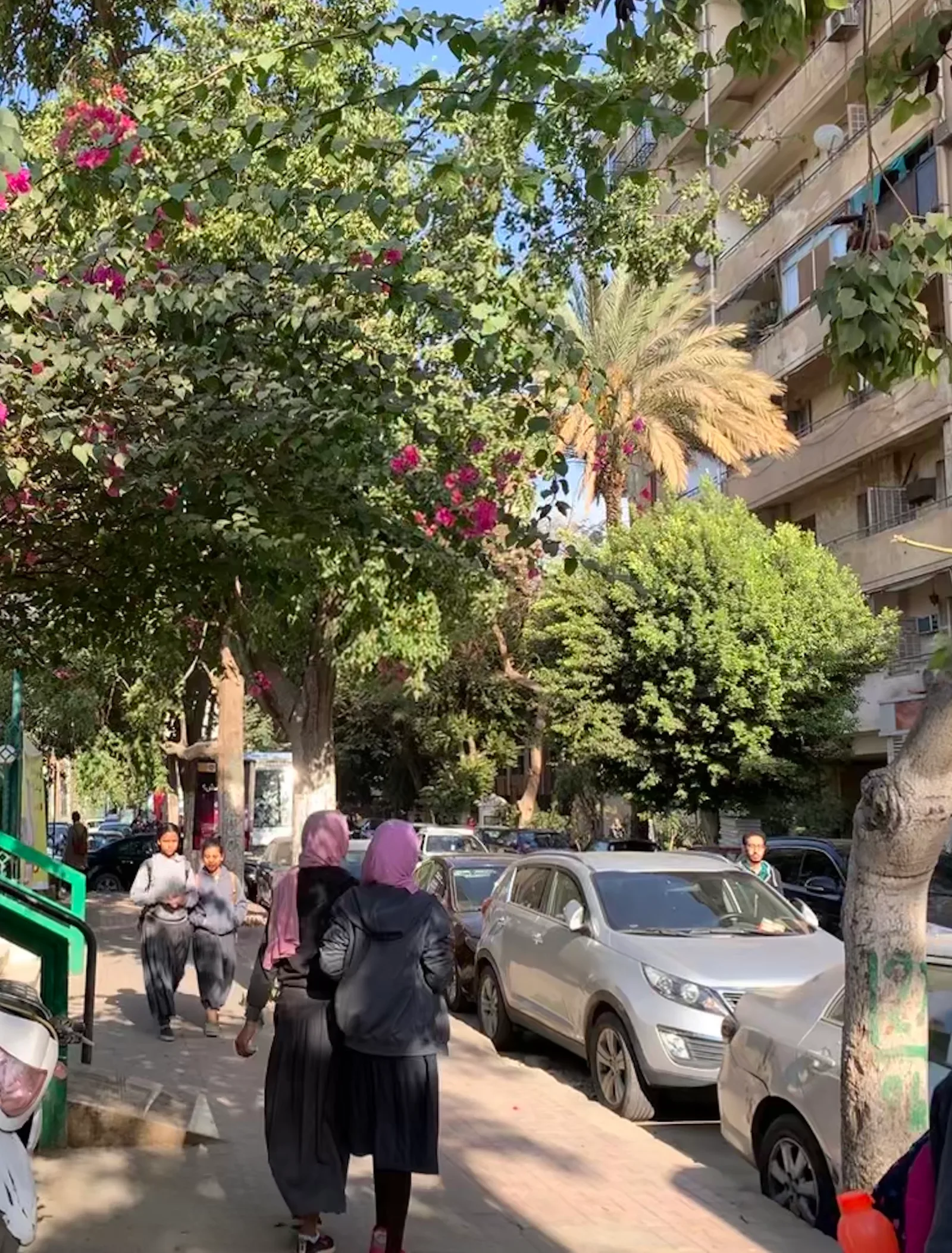
Vuelta al cole con cabeza: guía práctica para el presupuesto familiar antes del timbre del 12 de septiembre
Antes del arranque del curso escolar en Egipto el 12 de septiembre, una guía práctica para ajustar el presupuesto de la vuelta al cole: las tasas oficiales anunciadas, un inventario de lo que aún sirve del año pasado, prioridades de compra, tácticas de ahorro realistas y cómo contener la mayor partida: las clases particulares.
18 de agosto de 2026 · 6 min de lectura