Egipcios en el extranjero: una diáspora de millones, un salvavidas de remesas y lazos culturales que no se rompen
De los hospitales del Golfo a las farmacias de Toronto, millones de egipcios viven y trabajan fuera de su país. ¿Qué tamaño tiene la diáspora? ¿Por qué sus remesas son una de las principales fuentes de divisas de Egipto? ¿Y cómo el fútbol, la cocina y la fe mantienen vivos los lazos con la patria a través de las generaciones?
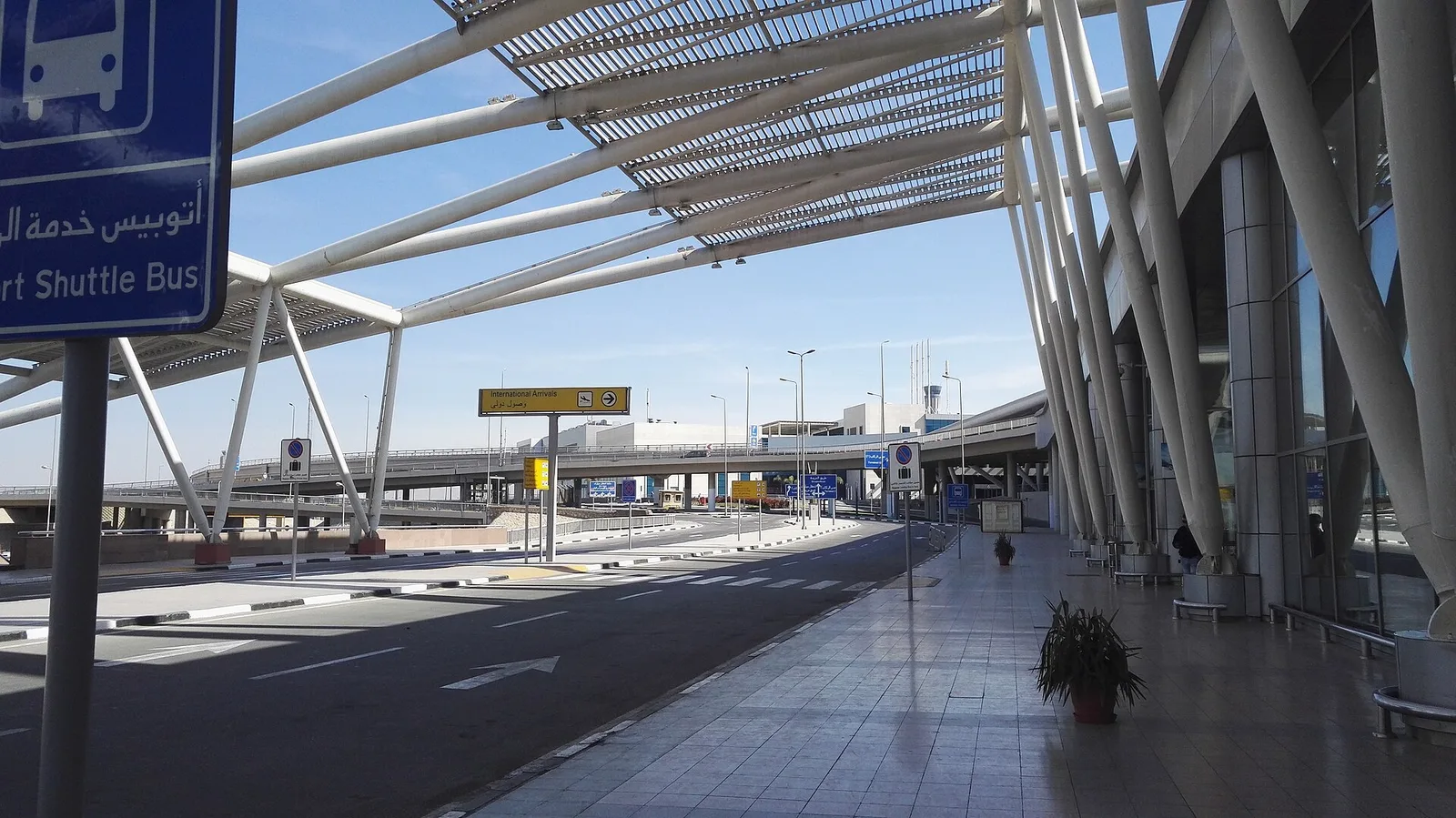
En las salas de hospital de Riad y Kuwait, en las empresas de ingeniería de Dubái, en las cocinas de los restaurantes de Milán, en las farmacias de Toronto y en las aulas magnas de Estados Unidos hay egipcios que trabajan lejos del Nilo. Egipto cuenta con una de las mayores comunidades de emigrantes del mundo árabe, y sus expatriados moldean la economía y la cultura del país de origen tanto como los moldean a ellos las sociedades que los acogen. Este artículo aborda cuántos son, dónde viven, qué significan sus remesas y cómo se mantienen los vínculos.
Contarlos con exactitud resulta imposible, y un periodismo honesto lo dice sin rodeos. Las estimaciones oficiales egipcias han oscilado a lo largo de los años entre varios millones y más de diez millones de personas, según las definiciones: ¿trabajadores temporales o emigrantes permanentes?, ¿ciudadanos registrados o todas las personas de origen egipcio?, ¿solo la primera generación o también sus hijos? Las estadísticas de los países de acogida emplean, a su vez, categorías distintas. En lo que coinciden todas las cifras es en la magnitud: una comunidad que se cuenta por millones y representa una proporción considerable de la población de Egipto.
La geografía divide a la comunidad en dos grandes mundos. La mayor parte, según casi todas las estimaciones, reside en los países árabes —Arabia Saudí ha sido históricamente el principal país de acogida, junto con los Emiratos Árabes Unidos, Kuwait, Catar y Jordania, mientras que Libia fue un destino importante en décadas anteriores— y esa migración se plantea sobre todo como trabajo temporal. El segundo mundo es el del asentamiento permanente en Occidente: Estados Unidos, Canadá, Italia, Francia, el Reino Unido, Australia y Grecia albergan comunidades egipcias firmemente asentadas, con segundas y terceras generaciones.
Este gran flujo tiene su historia. Antes de los años setenta, la emigración era limitada y a menudo la gestionaba el Estado, con maestros y expertos cedidos a países árabes y africanos recién independizados. Después llegaron el auge petrolero posterior a 1973 y la política egipcia de apertura económica, que convirtieron el hilo de agua en una ola: médicos, ingenieros, maestros, contables y artesanos partieron hacia el Golfo y Libia, y enviaron salarios que levantaron casas y costearon los estudios de sus hermanos. La emigración hacia Occidente creció en paralelo, sobre todo por las vías del estudio y del trabajo cualificado.
Las remesas son la aportación más medible de la comunidad. Egipto figura de forma sistemática entre los mayores receptores de remesas de migrantes del mundo, con entradas que en algunos años han alcanzado decenas de miles de millones de dólares. Para la economía nacional son una fuente principal de divisas —en muchos años han superado los ingresos del canal de Suez o del turismo— y, a diferencia de los préstamos, no generan deuda. Su nivel exacto fluctúa con las economías del Golfo y los ciclos del petróleo y, sobre todo, con la confianza en el propio sistema cambiario egipcio.
En el plano familiar, las remesas se entretejen con la vida cotidiana. Pagan matrículas escolares y facturas médicas, levantan casas piso a piso en las aldeas del Delta y del Alto Egipto, financian bodas y pequeños negocios y sostienen a padres y hermanos. Los economistas advierten de lo sensible que es este patrón a las políticas públicas: cuando el tipo de cambio oficial se aleja del informal, las transferencias se desvían hacia canales no oficiales o se convierten en mercancías; cuando la brecha se estrecha, el dinero vuelve a los bancos. El dinero siempre se mueve; la pregunta es por qué camino.
La cultura viaja en ambos sentidos por esas mismas rutas. El cine y las series egipcias y el fútbol —con la selección nacional y sus estrellas a la cabeza— atan a los expatriados a su país, mientras que las reuniones de Ramadán, los restaurantes egipcios y las tiendas de comestibles recrean sus sabores en el extranjero. Las comunidades se afianzan en sus instituciones religiosas: las iglesias coptas ortodoxas se extienden hoy por varios continentes, con grandes parroquias en América del Norte y Australia, mientras que las mezquitas y las asociaciones culturales atienden a las comunidades musulmanas. Las escuelas comunitarias, por su parte, enseñan árabe a niños nacidos fuera de Egipto.
El Estado egipcio se relaciona con su comunidad en el exterior a través de instituciones específicas. Existe una cartera ministerial dedicada a la emigración y a los asuntos de los egipcios en el extranjero, junto con las embajadas y los consulados, que se ocupan de la documentación, las crisis y las conferencias de acercamiento. Desde los cambios constitucionales de comienzos de la década de 2010, los egipcios residentes fuera votan en las elecciones presidenciales y en los referendos a través de los consulados, y sus índices de participación reciben una amplia cobertura mediática. El Estado trata además de atraer el ahorro de los emigrantes mediante productos de inversión específicos, iniciativas cuya acogida ha sido desigual y que siguen siendo objeto de debate.
Algunos nombres muestran hasta dónde llega esta comunidad. El cirujano cardíaco sir Magdi Yacoub construyó una carrera destacada en el Reino Unido antes de fundar en Egipto centros benéficos de cardiología; el fallecido Ahmed Zewail obtuvo el Premio Nobel de Química en 1999 cuando trabajaba en el Instituto de Tecnología de California y siguió siendo una figura pública egipcia de primer orden. Actores, académicos, emprendedores y futbolistas de las ligas europeas llevan la identidad egipcia a escenarios mundiales, y sus éxitos se siguen en el país con un orgullo tan intenso que en cada hogar se viven como propios.
La historia de esta comunidad no está exenta de penalidades: conflictos laborales y restricciones de los sistemas de patrocinio en algunos países de acogida, el dolor de las familias que viven separadas durante décadas y un largo debate nacional sobre si la marcha de médicos y académicos es una fuga de cerebros o una ganancia aplazada a través de las remesas, las redes y las capacidades que regresan. Lo que no admite discusión es el vínculo mismo: por los salarios que envían, las causas que defienden y el árabe que enseñan a sus hijos, los egipcios en el extranjero siguen siendo una prolongación de Egipto más allá de sus fronteras.
Noticias relacionadas
Un agujero en el cielo, cerrado por un tratado: el Protocolo de Montreal y el papel de Egipto en el ozono
El 16 de septiembre el mundo celebra el Día Internacional de la Preservación de la Capa de Ozono: un tratado ratificado por todos los países del planeta que realmente funcionó. Desde un artículo científico de 1974 hasta la firma de Montreal en 1987, la ratificación de Egipto en 1988 y la Enmienda de Kigali de 2023: la historia de la bombona de refrigerante en manos de un técnico, y por qué el cielo debería sanar hacia 2040.
16 de septiembre de 2026 · 7 min de lectura
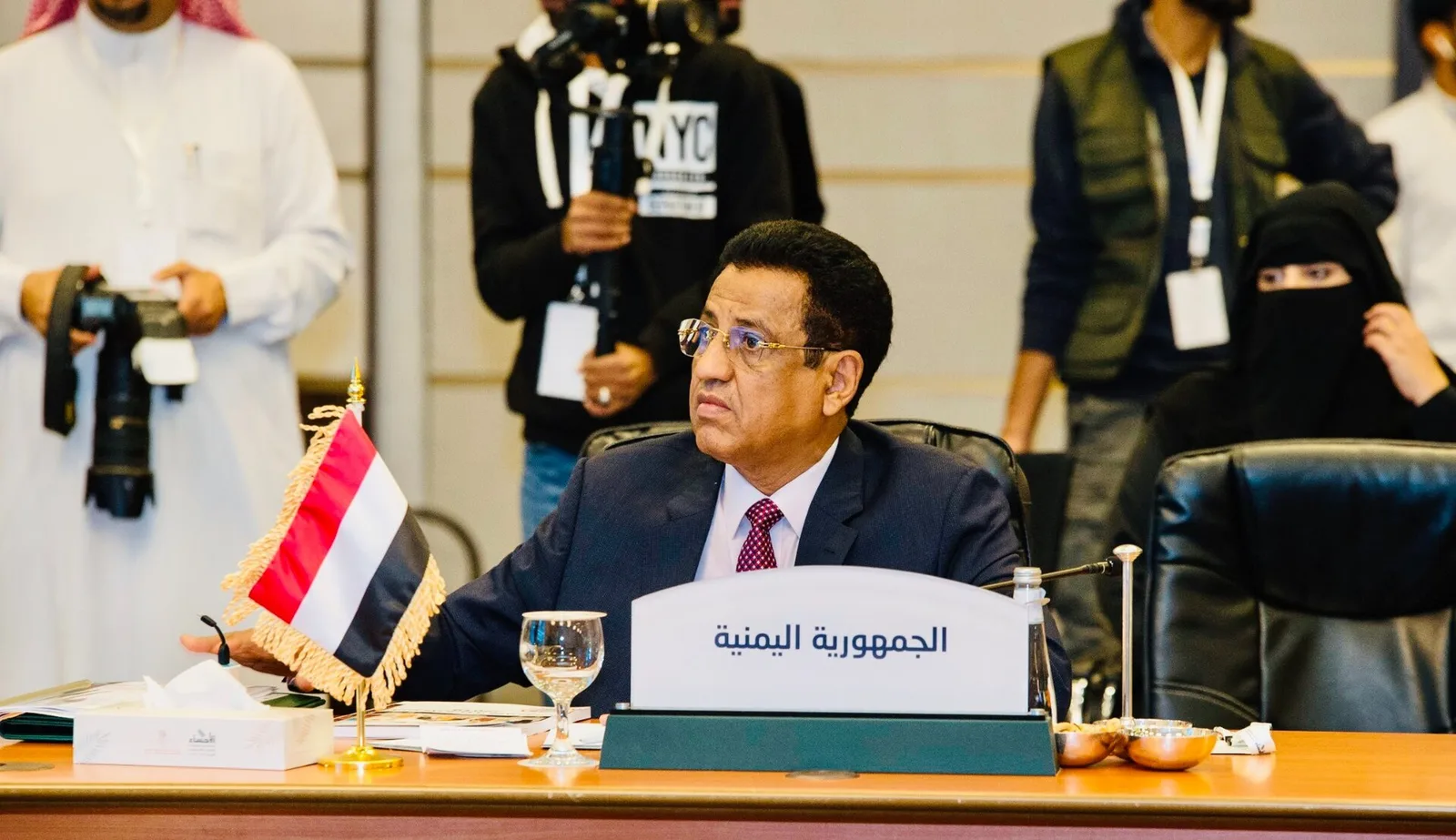
La Liga Árabe: la casa de los árabes cuyas ventanas dan a la plaza Tahrir
A unos pasos de la plaza Tahrir se alza «la casa de los árabes»: una de las organizaciones regionales más antiguas del mundo, nacida en El Cairo antes que la propia Carta de la ONU. ¿Cómo funcionan sus cumbres y su secretaría? ¿Por qué sus resoluciones solo obligan a quien las acepta? ¿Y cuál es la historia del traslado a Túnez y del posterior regreso? Un recorrido por dentro de un viejo vecino ante el que pasamos cada día sin apenas conocerlo.
2 de septiembre de 2026 · 7 min de lectura
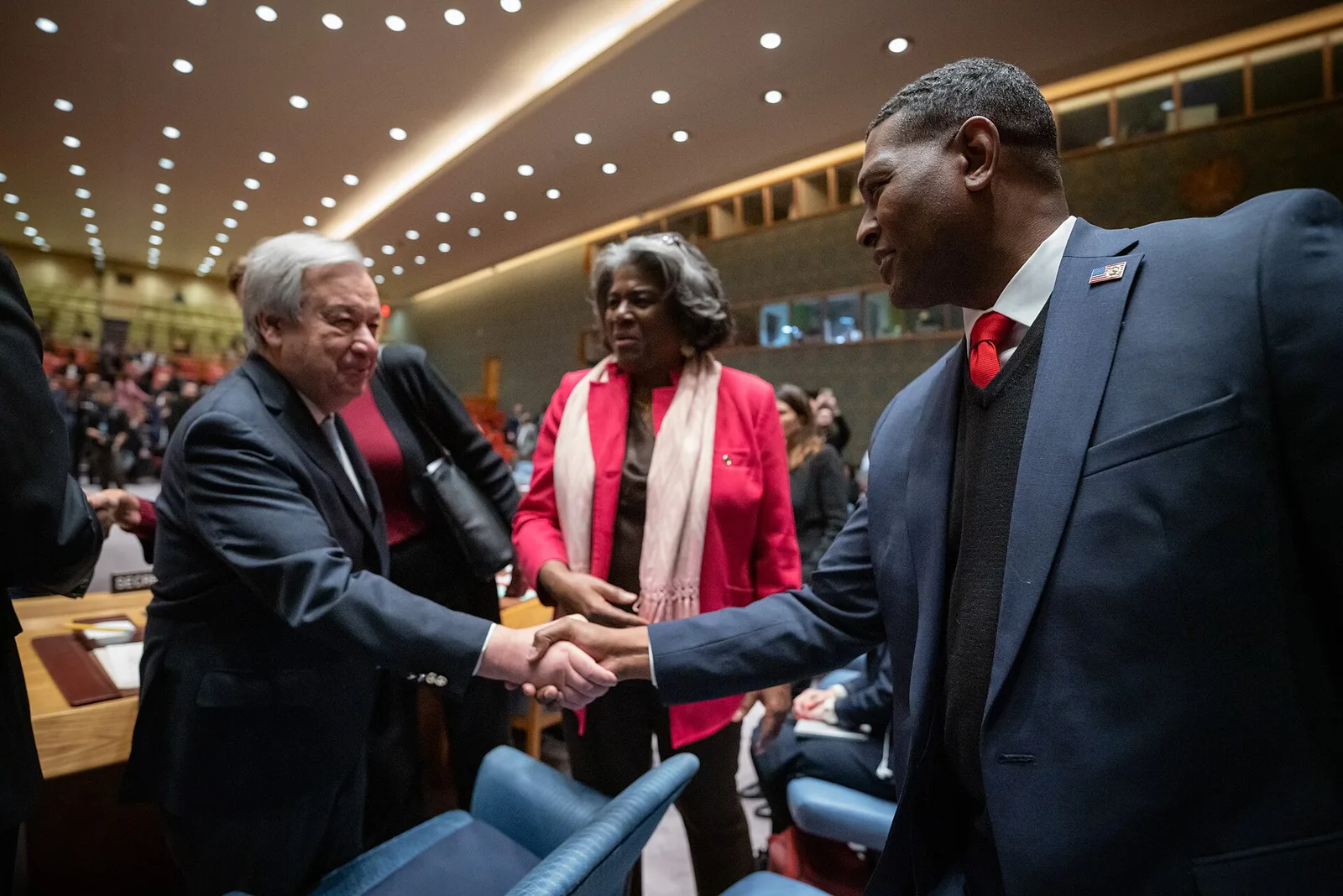
Bajo el techo azul: cómo funciona la ONU y quién tiene el «veto» en el Consejo de Seguridad
Cada vez que estalla una crisis oyes que el Consejo de Seguridad se ha reunido y que un país ha levantado el «veto». Pero ¿qué ocurre realmente bajo el techo azul? Un recorrido desde el salón de la Asamblea General hasta la mesa en herradura: cómo nace una resolución de la ONU, cuándo es vinculante, cómo la tumba una sola palabra y qué lugar ocupa Egipto en el escenario.
26 de agosto de 2026 · 8 min de lectura