Hollywood en el Nilo: la edad de oro del cine egipcio
Durante tres décadas, los estudios de El Cairo hicieron de Egipto la capital del cine del mundo árabe. De la fundación de Studio Misr en 1935 a Faten Hamama, Omar Sharif y «Estación Central», así se construyó la edad de oro, y por eso sus clásicos en blanco y negro se siguen proyectando todavía hoy.
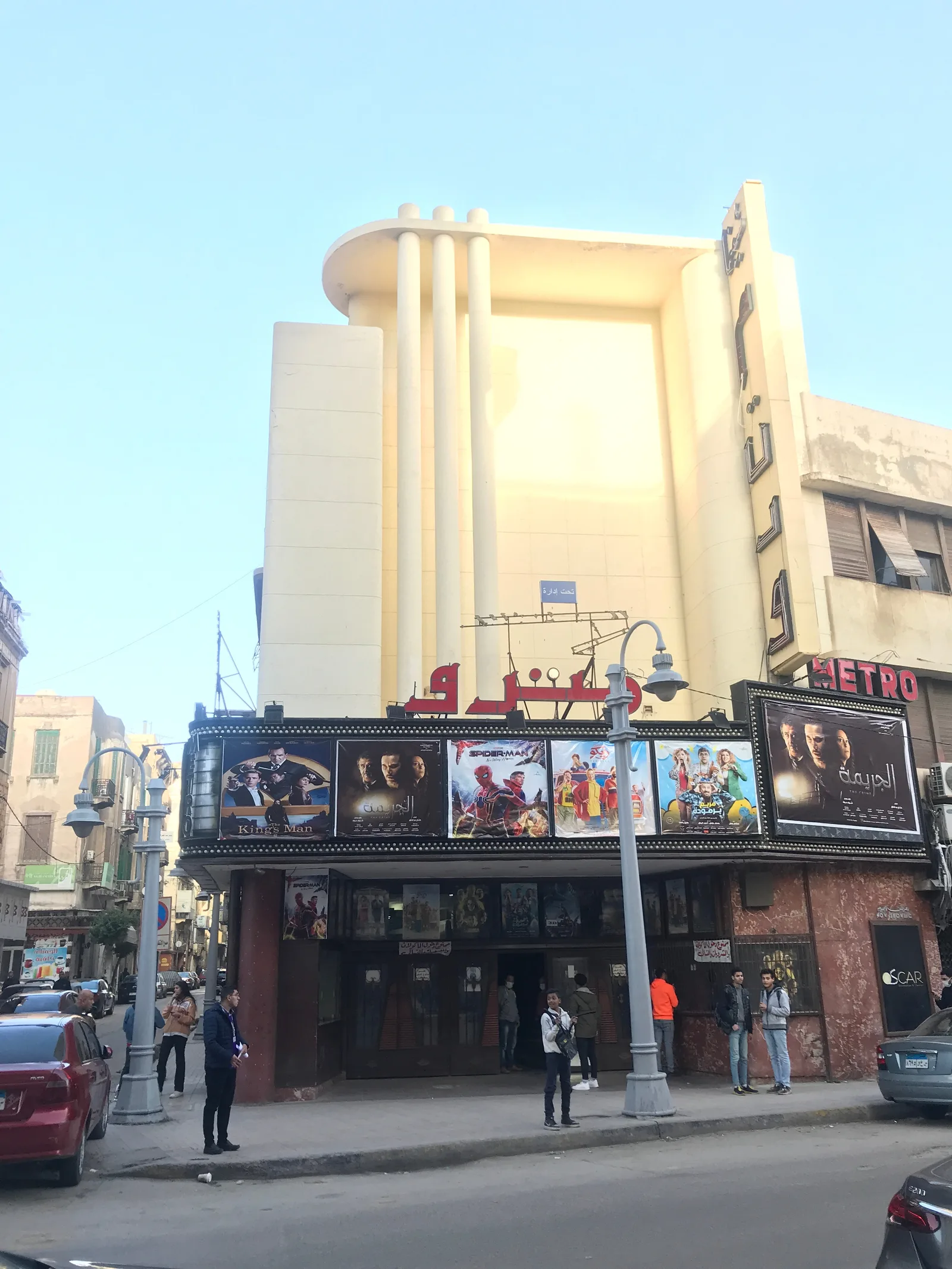
Durante casi tres décadas, desde finales de los años treinta hasta finales de los sesenta, El Cairo fue la capital indiscutible del séptimo arte en el mundo árabe. Sus estudios producían melodramas, musicales y comedias a un ritmo que ningún país vecino igualaba, y sus estrellas eran conocidas desde Casablanca hasta Bagdad. Críticos e historiadores llaman a ese periodo «la edad de oro del cine egipcio», y la propia ciudad recibió un apodo que ya no la abandonó: «el Hollywood de Oriente» o «Hollywood sobre el Nilo». Esta es la historia de cómo se construyó aquella industria, de los rostros que le dieron brillo y de por qué sus películas siguen en las pantallas hoy.
El cine llegó a Egipto asombrosamente pronto: en 1896 ya se proyectaban imágenes en movimiento en Alejandría, pocos meses después de las primeras funciones de los hermanos Lumière en París, y enseguida abrieron salas permanentes en Alejandría y El Cairo. Durante décadas las pantallas exhibieron sobre todo películas importadas, pero los egipcios fueron pasando poco a poco detrás de la cámara. La película muda «Layla» (1927), producida y protagonizada por la pionera Aziza Amir, se celebra como el primer largometraje egipcio y como la prueba —en un momento en que muy pocos lo creían— de que un cine nacional era posible.
Después llegó el sonido y lo cambió todo. En 1932 Egipto produjo sus primeras películas habladas, entre ellas «Awlad al-Zawat» (Los hijos de la aristocracia) y el musical «Unshudat al-Fuad» (El canto del corazón), y el público descubrió que la pantalla podía llevar voces egipcias y canciones egipcias. Tres años más tarde llegó el paso decisivo: la apertura de Studio Misr en 1935, impulsada por el economista Talaat Harb dentro del grupo industrial del Banco Misr. Con platós modernos, laboratorios y técnicos formados en Europa, fue el primer estudio plenamente equipado de la región y dio al cine egipcio su columna vertebral industrial.
La maquinaria de los estudios giraba en torno a la canción. Los musicales construidos alrededor del compositor y cantante Mohamed Abdel Wahab y de la adorada Layla Murad llenaban las salas, y «Wedad» (1936), una de las primeras producciones de Studio Misr, llevó a la pantalla a la gran Umm Kulthum. Farid al-Atrash añadió su propia serie de romances cantados, a menudo junto a la bailarina Samia Gamal, mientras que Tahia Carioca convirtió la danza oriental en un arte cinematográfico por derecho propio. Las películas viajaban con sus canciones: un éxito nacido en una producción cairota lo tarareaba el mundo árabe entero pocos meses después de su estreno.
La comedia y el melodrama fueron los otros dos pilares de la industria. Naguib al-Rihani, gigante de la escena, llevó a la pantalla su humor humano y punzante en películas como «Ghazal al-Banat» (1949), y más tarde Ismail Yassin se convirtió en el rostro de la comedia popular al protagonizar toda una serie de filmes que llevaban su nombre. En el extremo emocional opuesto estaba Youssef Wahbi, aristócrata del melodrama teatral, cuyos sermones atronadores enseñaron a una generación de actores a llenar el primer plano. Entre la risa y las lágrimas, los estudios aprendieron a servir a todos los gustos en un mismo programa.
Junto a la maquinaria del entretenimiento fue tomando forma un cine más serio. «Al-Azima» (La voluntad, 1939), de Kamal Selim, seguía a gente corriente en un callejón popular de El Cairo y se considera la película fundacional del realismo egipcio. Salah Abu Seif profundizó esa escuela después de la guerra, y Youssef Chahine le dio una obra maestra imperecedera con «Estación Central» (1958), en la que él mismo interpretó a un vendedor de periódicos cojo devorado por la obsesión. La pantalla se alimentó también de la novela: «La plegaria del alcaraván» (1959), de Henry Barakat, adaptación de la novela de Taha Hussein, mostró que una versión literaria podía llegar a la crítica y al público a la vez.
La edad de oro acuñó estrellas cuyos nombres todavía abren conversaciones. Faten Hamama, «la dama de la pantalla árabe», combinó delicadeza y firmeza a lo largo de cuatro décadas de papeles. Omar Sharif, su compañero de reparto y de vida, saltó de El Cairo a la fama mundial con «Lawrence de Arabia» (1962) y «Doctor Zhivago». Hind Rostom irradiaba glamur y fuego, Shadia se movía con ligereza entre la canción y el drama, y en los años sesenta llegó la joven Soad Hosny —«la Cenicienta de la pantalla egipcia»— para cautivar a toda la región. El sistema de estrellas vendía entradas, pero también fijó exigencias de oficio que han perdurado.
Las películas egipcias no se quedaron en casa: los distribuidores las llevaron a todas las capitales árabes, donde el público se encontraba semana tras semana con las calles, los chistes y las canciones de Egipto. Esa exportación constante es una de las razones por las que el dialecto egipcio se convirtió en la forma de árabe hablado que más gente entiende, pues generaciones enteras de la región crecieron oyéndolo en las salas. Dentro del país, los palacios del cine del centro de El Cairo y de Alejandría sostuvieron toda una cultura urbana de estrenos, revistas de espectáculos y noticias de estrellas, e ir al cine se volvió un rito semanal para las familias de todas las clases.
Los años sesenta trajeron un punto de inflexión: el Estado nacionalizó buena parte de la industria e integró estudios y salas en un sector público que produjo películas ambiciosas —entre ellas grandes adaptaciones literarias—, pero también burocracia y deudas. Muchos historiadores fechan el final de la edad de oro a finales de los sesenta, cuando el sistema de estudios se debilitó y estrellas y directores se dispersaron. La producción se reactivó en manos privadas durante los años setenta, pero la vieja maquinaria integrada —estudio, estrella, compositor y cadena de salas actuando como una sola mano— nunca volvió en su forma clásica.
El legado, en cambio, quedó a salvo. Cuando el cine egipcio celebró su centenario en 1996, los críticos eligieron las cien películas egipcias más importantes y «Al-Azima» encabezó la lista, un canon que todavía orienta a los espectadores. El Festival Internacional de Cine de El Cairo, fundado en 1976 y uno de los más antiguos de la región, mantiene a la ciudad en el mapa del cine mundial, y los proyectos de restauración siguen rescatando copias de los clásicos para que las nuevas generaciones las vean como las vio su primer público.
Si te preguntas por qué resisten estas películas, la respuesta es sencilla: porque se siguen viendo. Los canales por satélite y las plataformas de streaming emiten a diario los clásicos en blanco y negro, sus canciones viven en la radio y en los teléfonos, y sus frases se citan como refranes. Para los cineastas, la edad de oro sigue siendo una lección mayor de oficio: historia, estrella y canción en equilibrio riguroso. Para todos los demás es un álbum familiar: la imagen de un Cairo elegante y travieso del que se enamoró el mundo árabe entero, a veinticuatro fotogramas por segundo.
Noticias relacionadas

Día Internacional de la Traducción: de la Escuela de Lenguas (1835) al Centro Nacional
El 30 de septiembre el mundo celebra la traducción, y detrás del libro traducido que uno lleva a casa desde la feria hay una historia egipcia de dos siglos: un jeque de Al-Azhar que volvió de París fundó en 1835 la primera escuela moderna de traductores de Egipto, y comités y proyectos que a veces fracasaron y otras triunfaron, hasta el Centro Nacional de Traducción, creado en 2006. Esta es la historia completa, y lo que significa para usted.
30 de septiembre de 2026 · 7 min de lectura
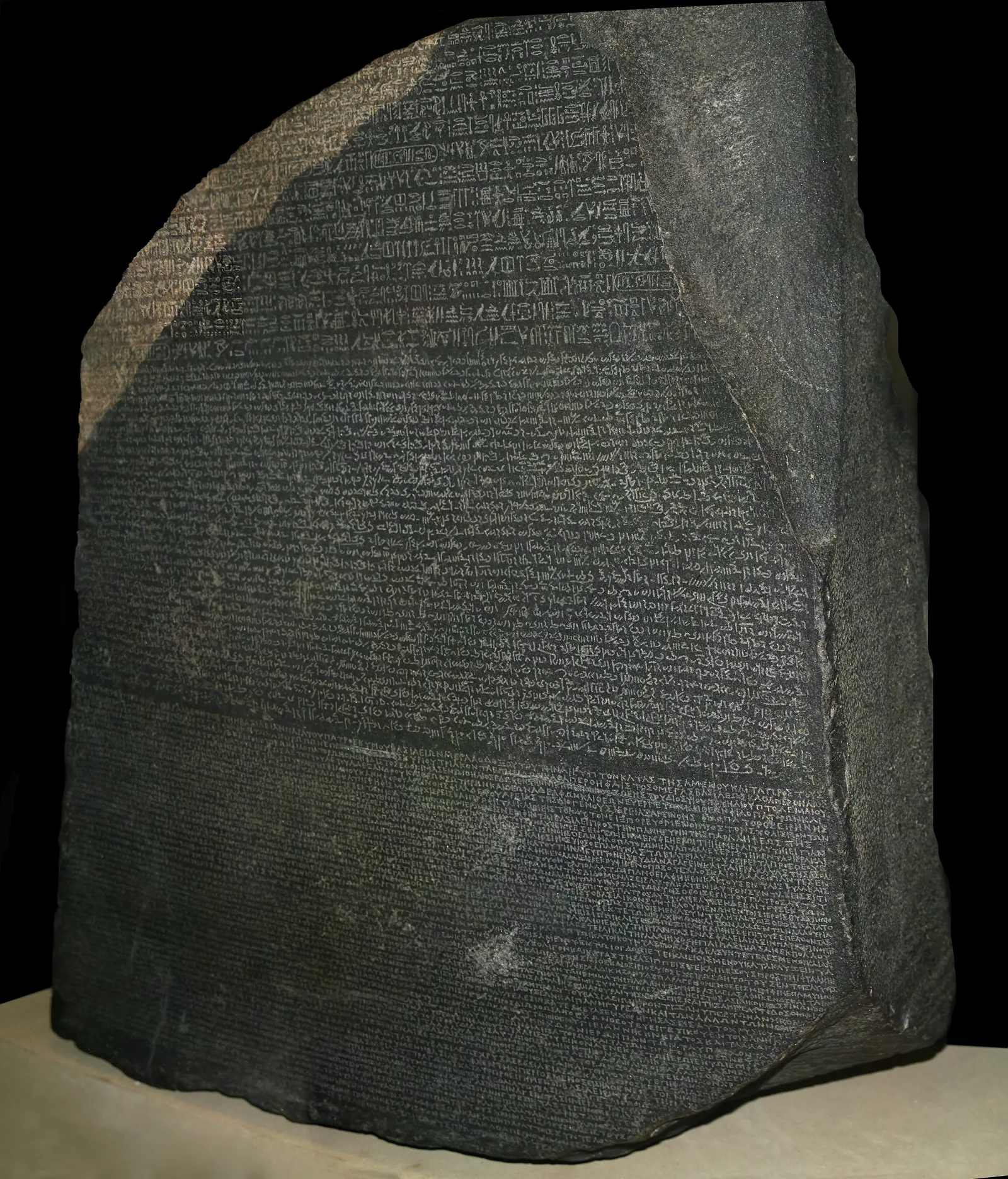
27 de septiembre de 1822: el día en que los antiguos egipcios recuperaron la voz — la piedra de Rosetta y su clave
En una sala de París, un joven de treinta y un años leyó una carta que devolvió a los muros egipcios la capacidad de hablar tras un largo silencio. De Rashid en 1799 a Londres en 1802, y de ahí a la sala de la Academia en 1822, hasta llegar a Ahmed Kamal Bajá y su diccionario, nunca impreso en vida, y finalmente a la pregunta de hoy: ¿volverá la piedra? La historia de una clave que se perdió y volvió a encontrarse.
26 de septiembre de 2026 · 8 min de lectura
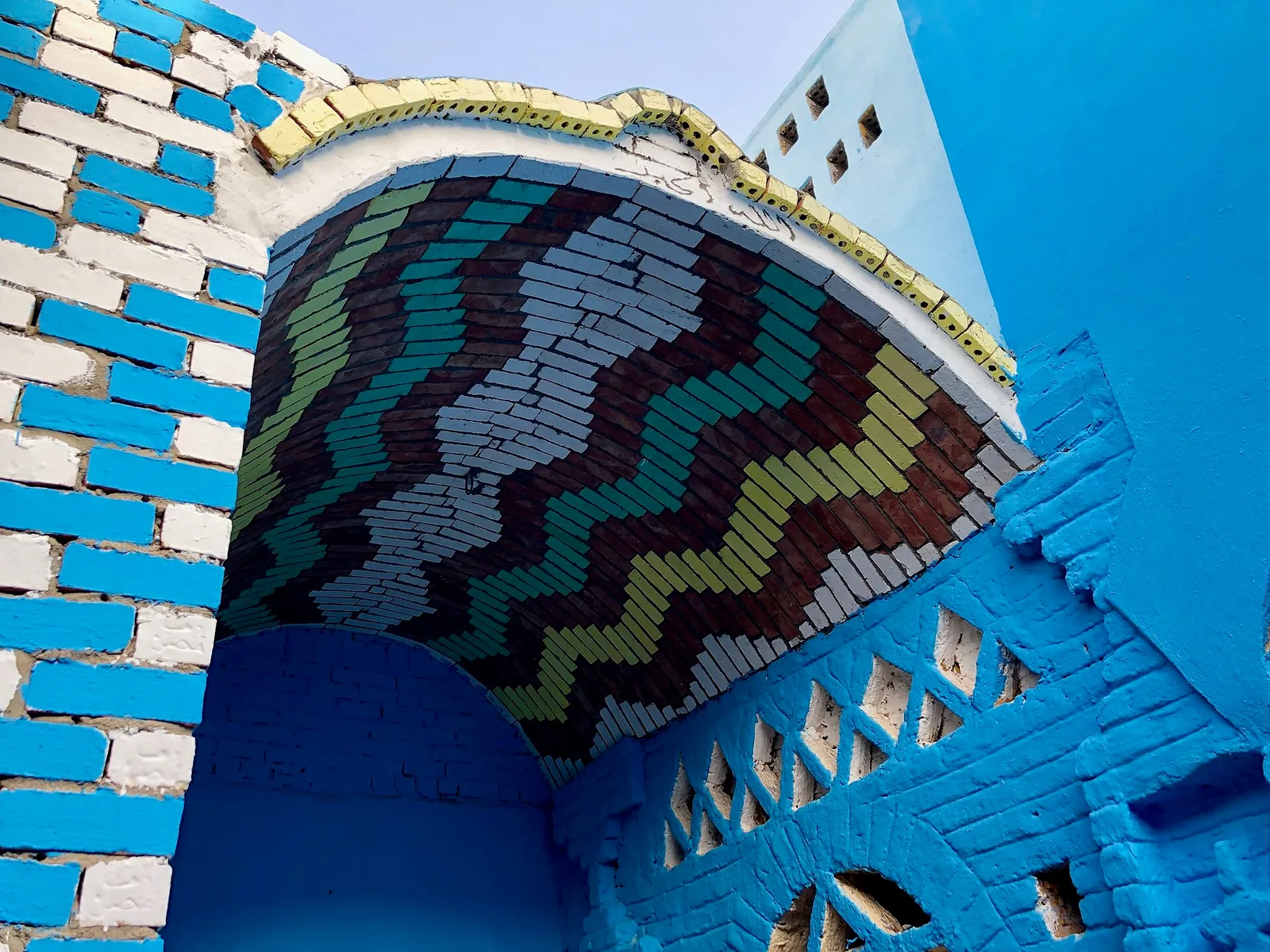
Hassan Fathy: el «arquitecto de los pobres» que levantó con el barro de Egipto una arquitectura que asombró al mundo
En una época en que el aire acondicionado devora el ingreso de los hogares, la vida de Hassan Fathy vuelve a plantear una pregunta antigua: ¿por qué abandonamos una arquitectura que refrescaba nuestras casas sin electricidad? Esta es la historia del «arquitecto de los pobres», que construyó con el barro de Egipto una aldea entera, escribió un libro que el mundo tradujo y se adelantó décadas a la ola de la construcción verde.
4 de septiembre de 2026 · 8 min de lectura