Cruzar entre los coches: una apuesta que pagan el peatón y el conductor por igual
A pocos metros de la pasarela peatonal o del paso habilitado, el peatón se lanza al río de asfalto corriendo entre los coches, con la palma en alto frente a los que aceleran, como si una mano fuera un freno. Una escena diaria a la que nos hemos acostumbrado hasta olvidar lo que es en realidad: una apuesta con la vida del que cruza y con los nervios de un conductor que puede dar un volantazo y arrollar a inocentes. Esto está mal: por parte de ambos, y también del Estado.
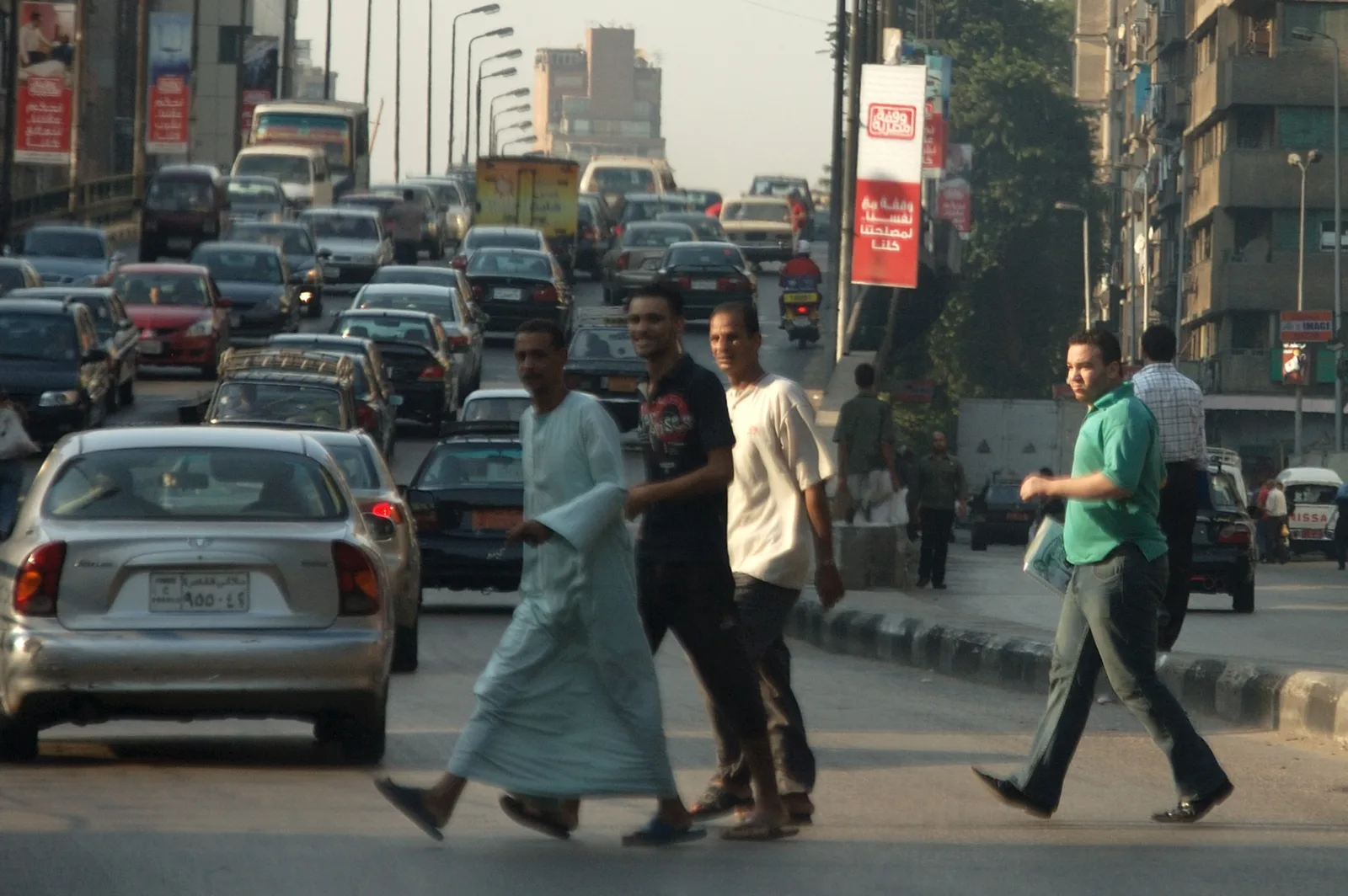
La escena nos resulta tan familiar que ya ni la miramos: una autovía o una calle principal por la que los coches pasan disparados y, a unos metros, un puente peatonal o un paso habilitado; y aun así el viandante elige la línea recta más corta. Baja al río de asfalto, esquiva un coche, se queda paralizado ante otro, levanta la palma de la mano frente a los que vienen lanzados como si una palma fuera un freno y luego corre hasta la otra orilla mientras a quienes lo miran se les encoge el corazón.
Llamemos a este acto por su nombre: una apuesta. Una apuesta en la que el peatón pone su vida sobre la mesa para ahorrarse dos minutos o el esfuerzo de subir los escalones de un puente. Y es una apuesta en la que solo tiene la mitad de las cartas; la otra mitad está en manos de un conductor al que no conoce. ¿Iba atento? ¿Están bien sus frenos? ¿Está mojado el asfalto? ¿Le da el sol en los ojos justo en ese instante? Cada cruce temerario que sale bien no demuestra pericia alguna: es una tirada de dados que esta vez ha salido a favor.
Y la víctima olvidada de esta escena es el conductor. Siempre hablamos del peligro que corre quien cruza y olvidamos que el conductor ante el que aparece de pronto una figura humana en mitad de la calzada se ve obligado a elegir, en una fracción de segundo, entre tres imposibles: atropellarlo, frenar en seco y que lo embista el coche de atrás, o dar un volantazo y golpear a otro vehículo o a otro peatón que va por la acera. Imagina que conduces a la velocidad permitida, completamente atento, y que alguien salta ante ti desde entre dos coches aparcados. ¿Qué culpa tienes tú? ¿Y qué justicia hay en que una persona cargue toda la vida en su conciencia con un crimen que no cometió, porque otro se jugó la vida delante de sus ruedas?
Aquí está el reproche moral que nos importa incluso antes que la ley: quien cruza entre los coches no arriesga solo su vida —y eso ya bastaría para reprochárselo—, sino que impone a cada conductor de la vía un riesgo que este no ha elegido y le carga con la posibilidad de una catástrofe psicológica y judicial de la que no tiene ninguna culpa. Tu libertad de arriesgar tu propio cuerpo termina en el momento en que conviertes a otro en cómplice forzoso de tu apuesta.
Y lo más grave: cruzar de cualquier manera es una costumbre que se hereda por el ejemplo. El niño que va de la mano de su padre mientras este se cuela entre los coches aprende una sola lección: así se cruza la calle. Después no servirán mil charlas de educación vial en la escuela frente a una escena que el propio padre repite. Quien cruza temerariamente acompañado de un niño comete el error dos veces: una hoy y otra en cada cruce que ese niño haga solo mañana.
En justicia, la ley de tráfico egipcia no ha dejado la escena sin regular: obliga a los peatones a usar los lugares habilitados para cruzar allí donde existen, y obliga a los conductores a cederles el paso en esos puntos. La norma está escrita; pero, como tantas otras, necesita quien la recuerde y quien la haga cumplir.
Y no seríamos honestos con el lector si cargáramos toda la responsabilidad sobre el peatón. Digámoslo con claridad: en muchos lugares el paso seguro sencillamente no existe, o queda insoportablemente lejos, o se reduce a un puente peatonal ruinoso, con los escalones rotos y a oscuras, en el que ninguna mujer se siente segura de noche y al que no puede subir un anciano ni una persona con discapacidad. Cuando una vía se diseña como si los peatones no existieran, no te sorprendas de que crucen como si no existieran los coches. La seguridad al cruzar es una responsabilidad compartida: el peatón debe usar lo que hay, y el Estado debe hacer que lo que hay sea humano y utilizable.
¿Qué se le pide al ciudadano? Una sola regla sin excepciones: cruza por el lugar habilitado siempre que exista, por muchos pasos de más que te cueste; porque el minuto que «ahorras» lanzándote entre los coches puede ser el último de tu vida, o el primero de la pesadilla de un conductor inocente. Y si te ves obligado a cruzar donde no hay ningún paso seguro, detente, mira a ambos lados, cruza en línea recta, sin correr y sin el móvil en la mano, y no metas nunca a un niño contigo en la apuesta.
¿Y qué se le pide al Estado? Pasos seguros a distancias razonables en las vías principales: marcas viales claras e iluminadas, semáforos de peatones que funcionen de verdad, puentes peatonales limpios, iluminados y con los escalones en buen estado, y rampas para mayores y personas con discapacidad que conviertan el puente en una opción posible y no en un castigo. Y después, aplicar las normas de tráfico a ambas partes: al conductor que no se detiene ante un paso de peatones y al viandante que se lanza a la calzada teniendo el paso seguro a unos metros.
Entre las dos orillas de una calle hay vidas: la del peatón, los nervios del conductor y los ojos de un niño que está aprendiendo. Los pocos metros que se ahorran irrumpiendo en la calzada no valen ni una de ellas. Al peatón que esquiva coches con el puente sobre su cabeza, y al responsable que dejó una vía principal sin un paso digno, se lo decimos juntos y con la misma firmeza: eso está mal.
Noticias relacionadas
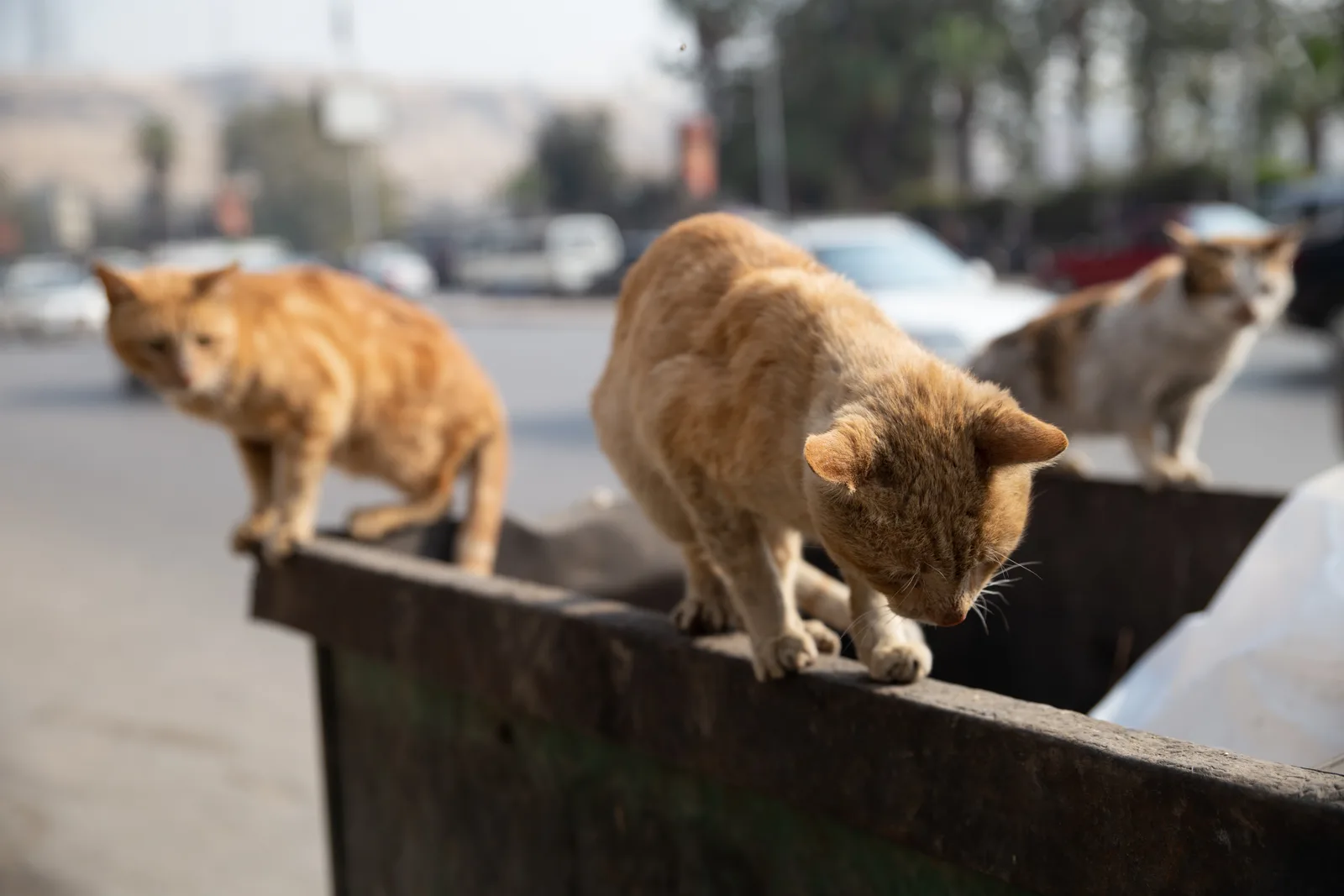
«Keda ghalat» («Esto está mal»): maltratar a un animal es un delito según el Código Penal egipcio desde 1937
Un vecino coloca platos envenenados junto al muro de la escuela; un carretero golpea a su burro en la cara bajo una carga excesiva. Muchos creen que «es solo un animal» y que ninguna ley lo protege. En realidad, los artículos 355, 356 y 357 del Código Penal castigan matar, envenenar y maltratar animales, con penas de hasta prisión. En vísperas del Día Mundial de los Animales, explicamos qué dice la ley.
3 de octubre de 2026 · 6 min de lectura
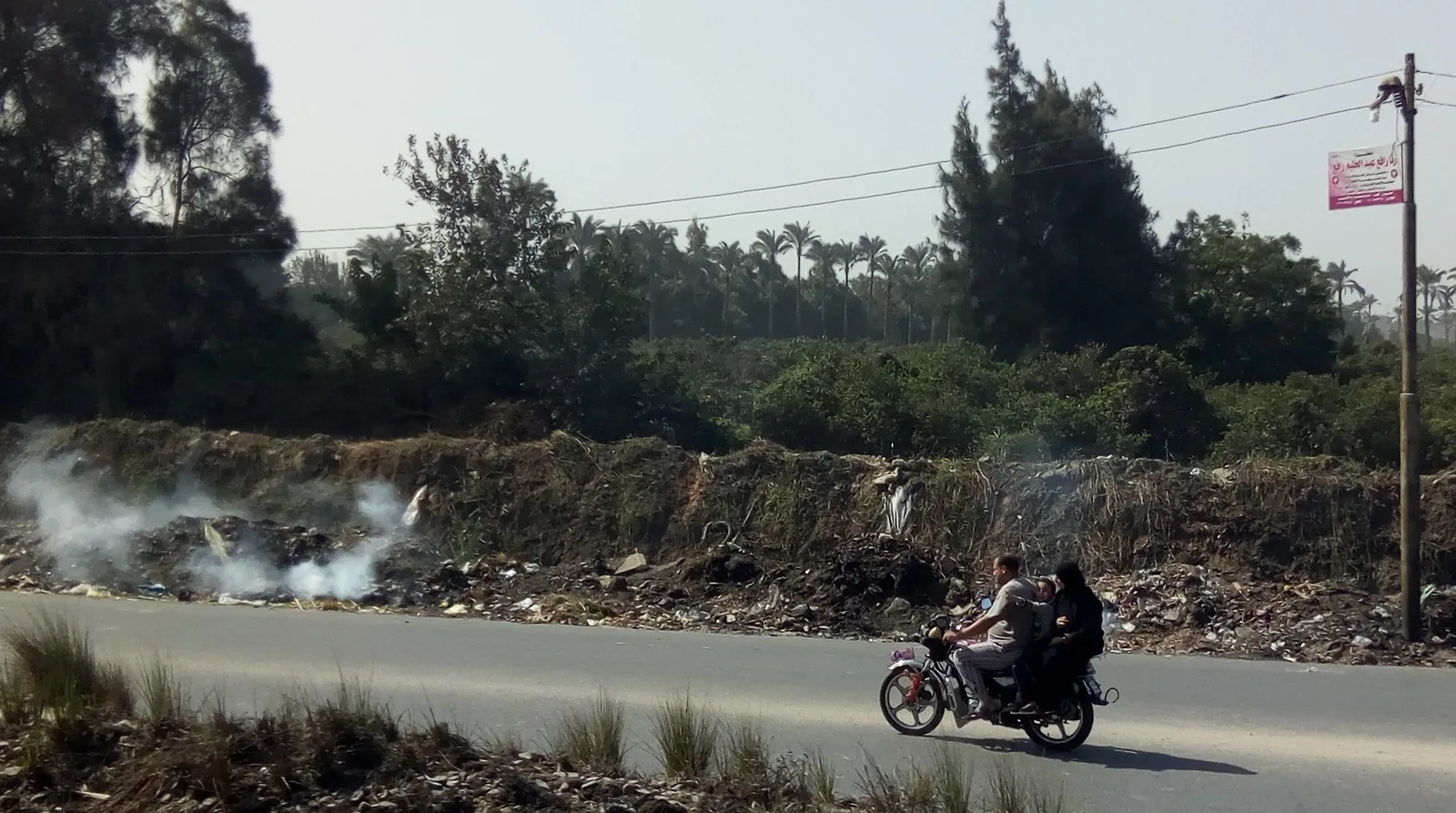
Cuatro en una moto y sin casco: la cabeza descubierta es lo más caro que una familia puede perder en la carretera
En la segunda semana de clases se repite la misma escena: un padre al manillar, un niño delante, otro detrás, la madre con las mochilas, y ni un solo casco. La prensa, citando a la CAPMAS, señala un salto en las muertes de 190 a 897 entre 2020 y 2024, mientras Cochrane muestra que el casco solo reduce el riesgo de muerte un 42%. La ley castiga la cabeza descubierta desde 1999, multa elevada en 2008. ¿Por qué no cumplimos?
23 de septiembre de 2026 · 8 min de lectura
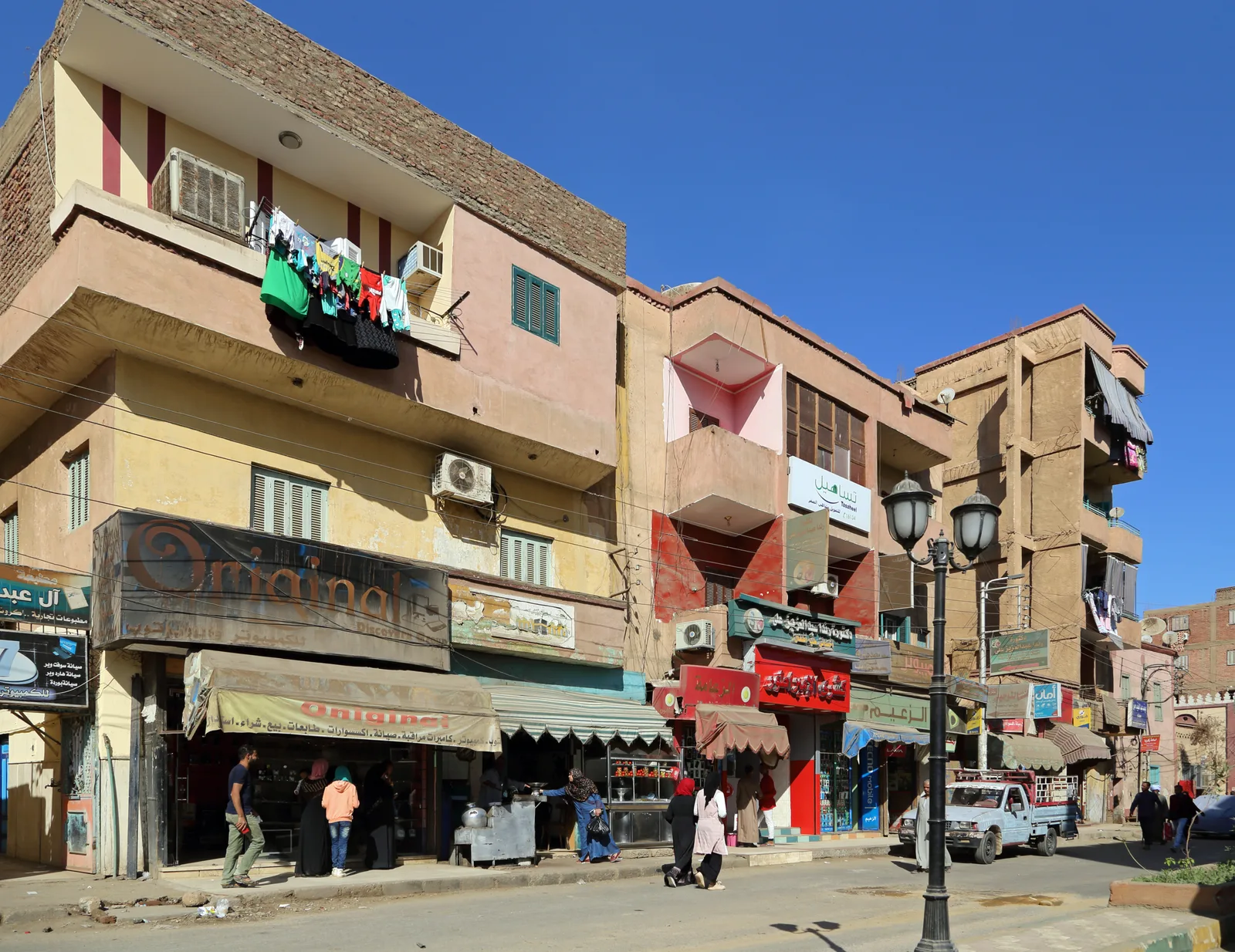
«Un enganche al cable» no es viveza: el robo de electricidad es un delito que paga todo el barrio
Un cable pelado que cuelga de un poste hasta un balcón, un aire acondicionado con un contador inmóvil, y un fusible que salta por tercera vez, dejando a oscuras al vecino que sí paga su factura. El artículo 71 de la Ley de Electricidad llama a esto apropiación indebida de corriente, castigada con prisión y multa, mientras una reforma más dura espera a la Cámara. ¿Qué pierde toda una calle por un enganche? ¿Cuál es la alternativa correcta?
14 de septiembre de 2026 · 7 min de lectura