«Eso está mal»: una cáscara de plátano le cuesta la vida a un inocente
Una historia breve con un final pesado: una mano arroja una cáscara de plátano por la ventanilla de un coche, y un escolar que corre hacia su examen nunca llega. En este nuevo episodio contamos la historia, preguntamos qué dicen la religión y la ley, y buscamos cómo cambiar un hábito que llamamos «menor»… y que mata.
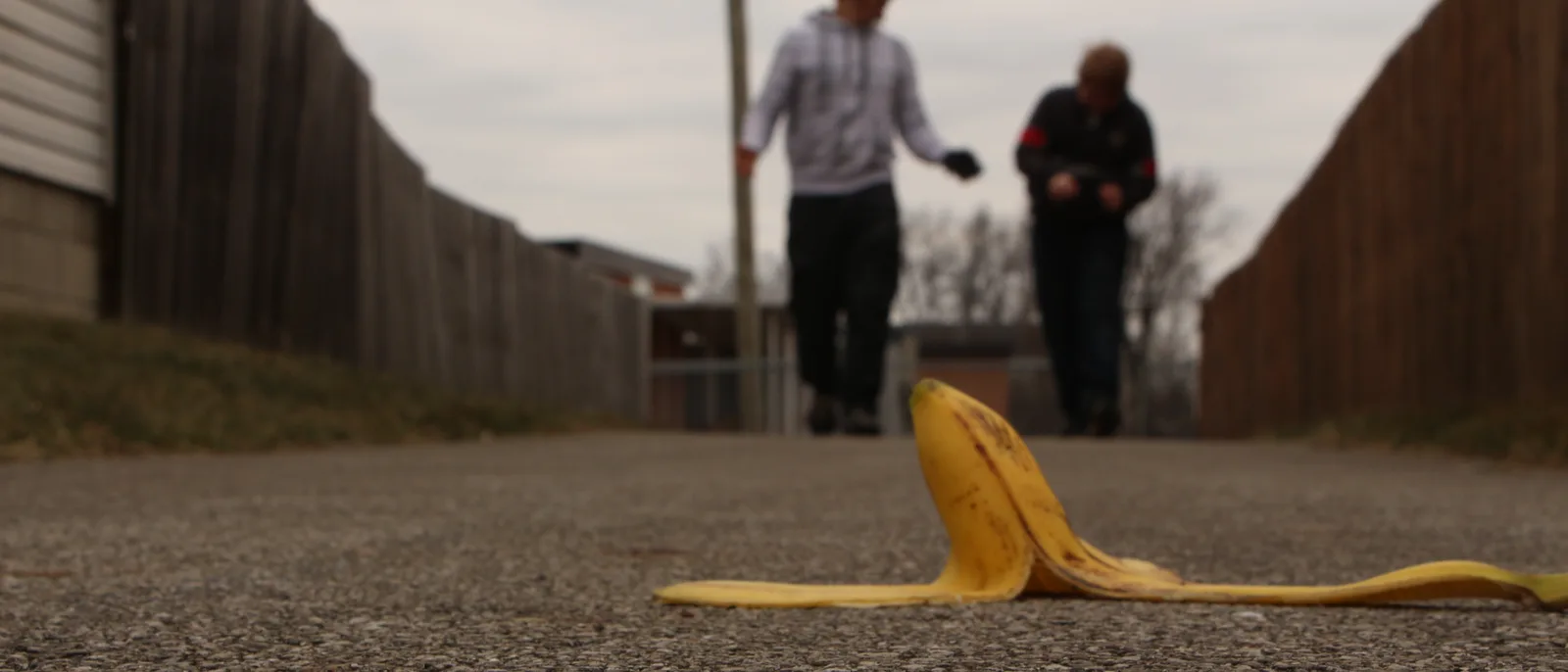
Una historia que podría parecer corriente, salvo por su final. Un coche de lujo se desliza por una calle atestada; el conductor pela un plátano, se lo come con calma, luego saca el brazo por la ventanilla y arroja la cáscara al asfalto como quien lanza un saludo, y sigue su camino. No miró atrás; ni por un instante se le pasó por la cabeza que ese pequeño trozo amarillo pudiera convertirse, minutos después, en un instrumento de muerte.
Minutos más tarde pasa por el mismo lugar un escolar con la mochila al hombro y los sueños a cuestas, corriendo por miedo a llegar tarde al examen. Su pie cae sobre la cáscara, pierde el equilibrio, resbala y se desploma con violencia: la cabeza golpea el bordillo de la acera. Hemorragia interna grave, los gritos de los transeúntes, una ambulancia que tarda como tarda siempre… y luego el anuncio de la muerte.
La contamos aquí como relato de advertencia, no como atestado de un accidente, porque sus detalles —de una forma u otra— se repiten cada día en nuestras aceras: una mano que tira, un pie que resbala, una cabeza que golpea. Y la conclusión no cambia: un niño murió porque iba a aprender, y un hombre tiró una cáscara porque nunca aprendió.
Después de cada accidente de este tipo alguien dice: «¿Y todo esto por eso?». Sí, por eso. La imprudencia no se mide por el tamaño del acto, sino por el de su consecuencia: la cáscara que falla diez veces acierta a la undécima, y cuando acierta ya nada vuelve a ser como era.
La calzada no es una papelera. Restamos importancia a lo que llamamos «costumbres menores» y que en realidad son costumbres mortales: una cáscara de plátano, una bolsa de patatas fritas o una botella de agua lanzadas desde la ventanilla de un coche a toda velocidad; basura arrojada desde el balcón sobre la cabeza de los viandantes; aceite o agua jabonosa derramados sobre el asfalto, que lo convierten en un tobogán que el ojo no ve. Todo empieza con un movimiento de la mano que no dura ni un segundo, y algunos se llevan por delante una vida entera.
¿Qué dice la religión? Apartar del camino aquello que daña es una limosna; ¿qué decir entonces de quien coloca el daño con su propia mano? Dijo el Profeta, la paz sea con él: «Guardaos de los dos actos que atraen la maldición». Le preguntaron: «¿Cuáles son, oh Mensajero de Dios?». Respondió: «El de quien hace sus necesidades en el camino de la gente o a la sombra donde se resguarda» (transmitido por Muslim). Si aliviarse en el camino de la gente atrae su maldición, ¿qué decir de quien arroja en ese camino aquello que los hace resbalar y los mata?
Otro hadiz dice: «La fe tiene setenta y tantas ramas… y la más humilde de ellas es apartar del camino aquello que daña» (transmitido por Muslim). Despejar la vía forma parte, pues, de la fe misma, y poner un estorbo en el camino de la gente es una merma en la fe y en la humanidad a la vez. Ante Dios respondes por cada pie que resbaló, por cada cabeza que golpeó el suelo y por cada madre que lloró a causa de tu indiferencia.
¿Y qué dice la ley? Este acto no es una «libertad personal» ni un «pecado menor», sino una infracción que la ley castiga con texto expreso. La Ley 202 de 2020, de regulación de la gestión de residuos, prohíbe en su artículo 38 arrojar residuos fuera de los lugares habilitados, y su artículo 71 fija una multa no inferior a 10.000 libras egipcias ni superior a 100.000 para quien deposite residuos no peligrosos donde no corresponde; en caso de reincidencia, la pena pasa a ser prisión y multa conjuntamente, con el decomiso del vehículo empleado en la infracción.
Y si esa negligencia provoca lesiones o la muerte de una persona, la calificación jurídica cambia por completo: se pasa de una infracción de limpieza a un homicidio imprudente o unas lesiones imprudentes con arreglo al Código Penal (artículos 238 y 244), castigados con prisión, además de la indemnización civil que la familia de la víctima tiene derecho a reclamar. Es cierto que probar el vínculo entre la cáscara y la caída corresponde apreciarlo a la fiscalía y al tribunal en cada caso; pero el principio es firme: quien con su negligencia causa la muerte de una persona responde de esa muerte. No estás tirando una cáscara por la ventanilla: estás tirando la prueba que te condenará.
¿Cómo concienciar a la gente? Ni el sermón basta por sí solo ni bastan las multas; hace falta cambiar una conducta, y esa es responsabilidad de todos. Y empieza con cinco pasos sencillos.
Primero, empieza por ti y por tu casa: una bolsita para la basura en el coche y una regla que tus hijos se sepan de memoria: tu bolsillo está más limpio que la calle. Lo que se aprende de niño se conserva de mayor.
Segundo, la palabra es una responsabilidad: predicadores, maestros y creadores de contenido, contad esta historia; la historia de la cáscara de plátano que mató a un escolar. Los relatos llegan al corazón mucho más que las cifras y los reglamentos.
Tercero, la escuela es la solución: una clase al mes sobre «la ética de la calle» basta para formar a una generación que no tire un papel. El examen de verdad no está en el aula, sino en la calle.
Cuarto, la reprobación social: no le rías la gracia a quien tira algo por la ventanilla; míralo con reproche. Documenta la infracción si puedes hacerlo sin exponerte al peligro, y envíala por los cauces oficiales de denuncia. La vergüenza ante los demás es la ley más fuerte que existe.
Quinto, el ejemplo: pon una papelera pequeña en tu coche, delante de tu tienda y en la puerta de tu casa. La gente imita los hechos, no las palabras.
A ti, que tiraste la cáscara y lo olvidaste: hay una madre que no ha olvidado, una lágrima que no se ha secado y un pupitre que quedó vacío en el examen. Antes de tirar nada por la ventanilla, recuerda: ¿aceptarías que esa cáscara fuera el final del sueño de una persona? La calle no es solo tuya; es del niño que va hacia su futuro, del anciano que va a rezar y de la madre que lleva a su bebé en brazos. Limpia tu corazón antes de limpiarte las manos, porque quien tiene el corazón limpio no acepta ensuciar el camino de los demás.
En su sección «Eso está mal», «La Voz del Ciudadano» sigue llamando al error por su nombre sin herir a nadie: la cuestión es la conducta, no las personas. Compartid con nosotros lo que observéis —sin exponeros al peligro ni señalar a nadie— a través del servicio «La Lente del Ciudadano» del formulario «Tu voz» en nuestra plataforma, para construir juntos un expediente documentado que presentar ante las autoridades competentes.
Noticias relacionadas
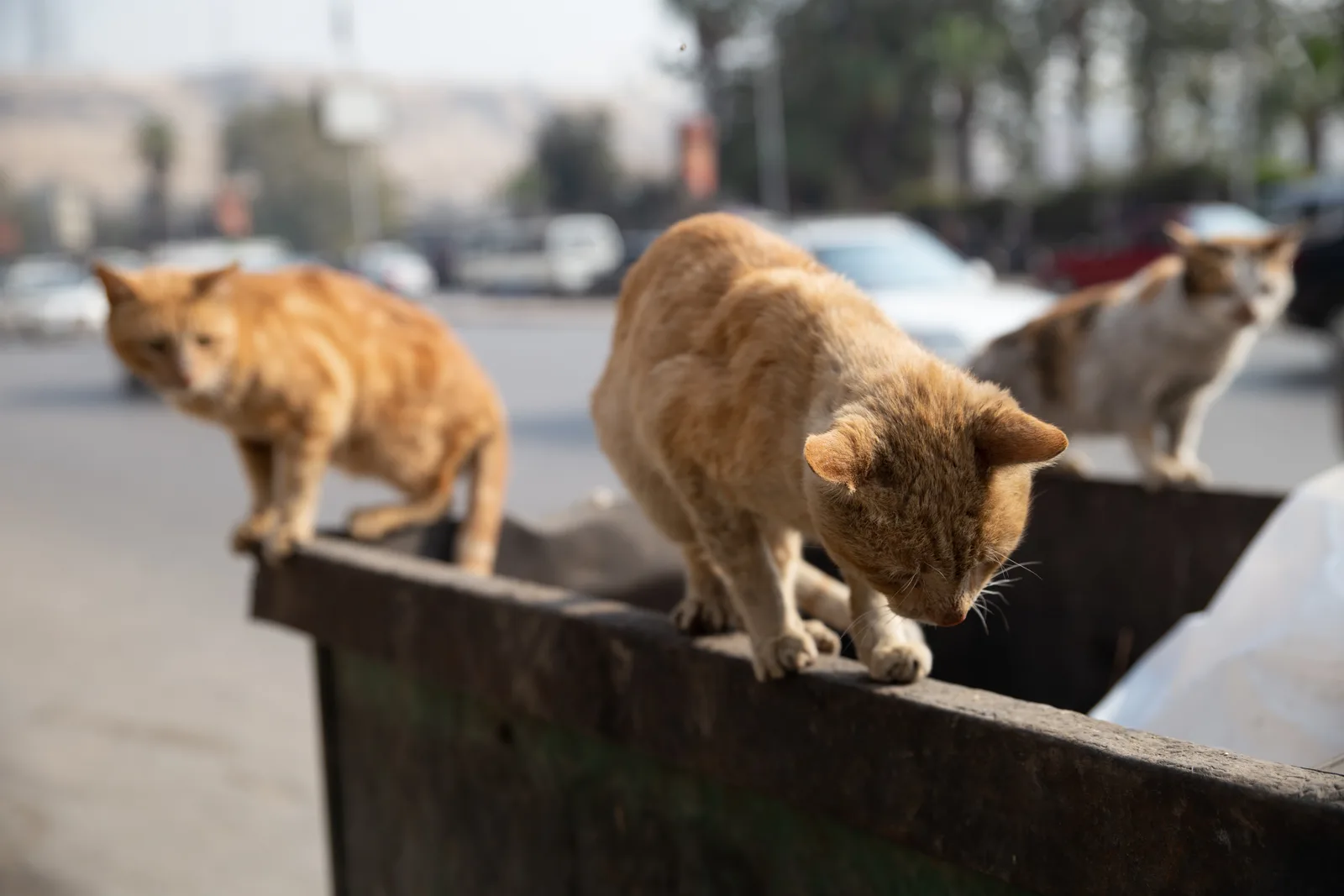
«Keda ghalat» («Esto está mal»): maltratar a un animal es un delito según el Código Penal egipcio desde 1937
Un vecino coloca platos envenenados junto al muro de la escuela; un carretero golpea a su burro en la cara bajo una carga excesiva. Muchos creen que «es solo un animal» y que ninguna ley lo protege. En realidad, los artículos 355, 356 y 357 del Código Penal castigan matar, envenenar y maltratar animales, con penas de hasta prisión. En vísperas del Día Mundial de los Animales, explicamos qué dice la ley.
3 de octubre de 2026 · 6 min de lectura
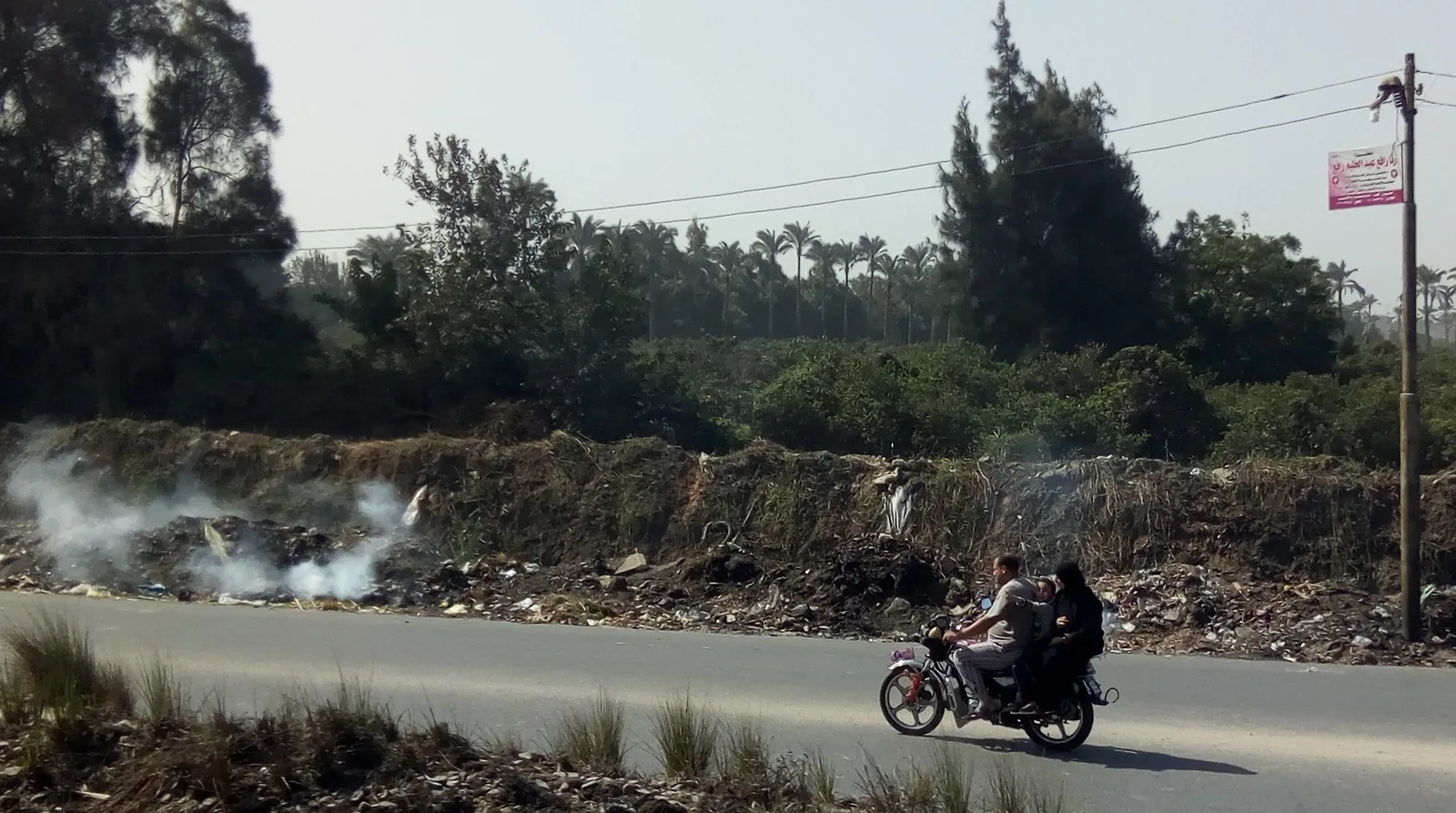
Cuatro en una moto y sin casco: la cabeza descubierta es lo más caro que una familia puede perder en la carretera
En la segunda semana de clases se repite la misma escena: un padre al manillar, un niño delante, otro detrás, la madre con las mochilas, y ni un solo casco. La prensa, citando a la CAPMAS, señala un salto en las muertes de 190 a 897 entre 2020 y 2024, mientras Cochrane muestra que el casco solo reduce el riesgo de muerte un 42%. La ley castiga la cabeza descubierta desde 1999, multa elevada en 2008. ¿Por qué no cumplimos?
23 de septiembre de 2026 · 8 min de lectura
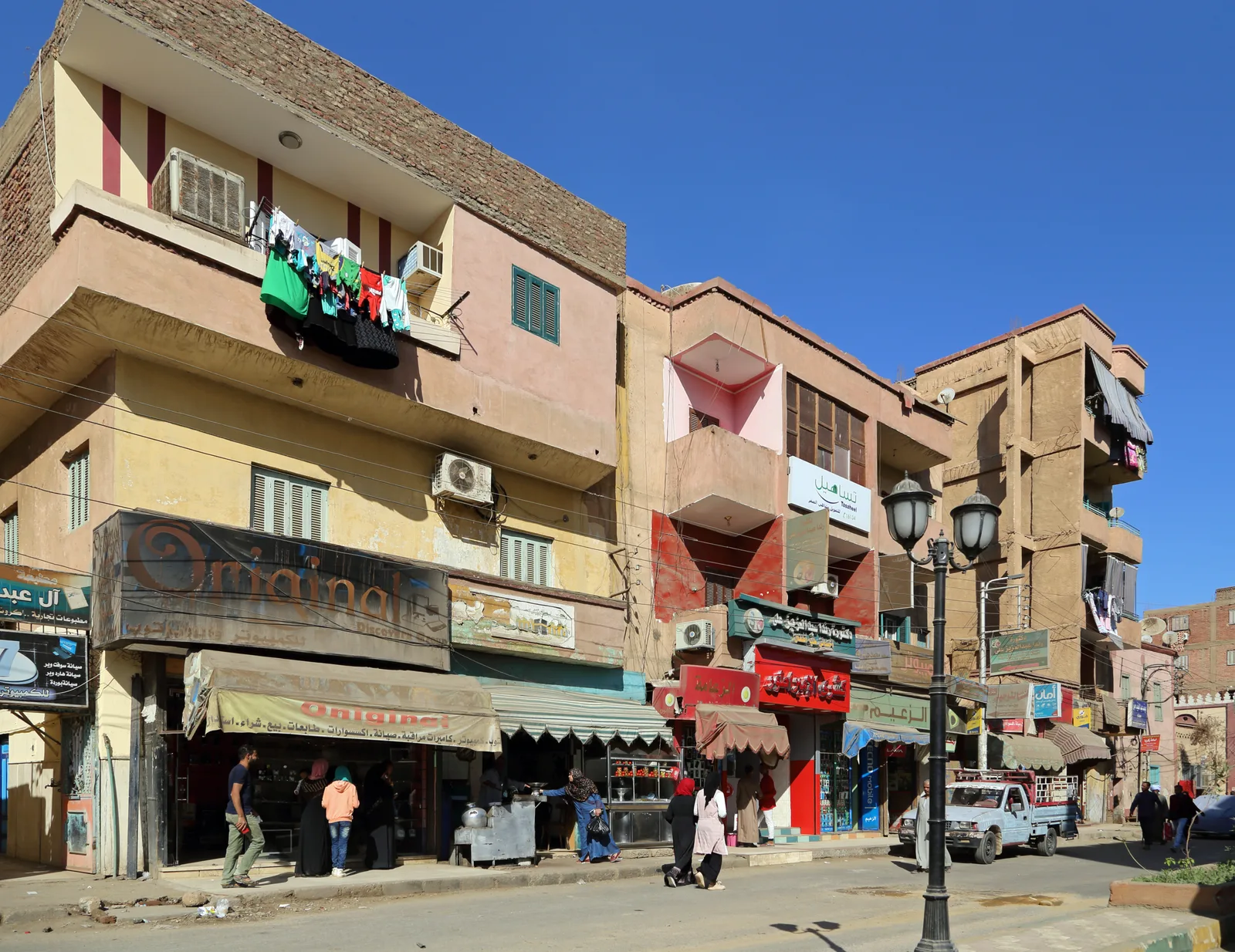
«Un enganche al cable» no es viveza: el robo de electricidad es un delito que paga todo el barrio
Un cable pelado que cuelga de un poste hasta un balcón, un aire acondicionado con un contador inmóvil, y un fusible que salta por tercera vez, dejando a oscuras al vecino que sí paga su factura. El artículo 71 de la Ley de Electricidad llama a esto apropiación indebida de corriente, castigada con prisión y multa, mientras una reforma más dura espera a la Cámara. ¿Qué pierde toda una calle por un enganche? ¿Cuál es la alternativa correcta?
14 de septiembre de 2026 · 7 min de lectura