«Esto está mal»: una sección que llama al error por su nombre
En esta sección no vamos a adular ni a callar. Las conductas que se han convertido en malos hábitos y costumbres las llamaremos por su nombre, y lo diremos en voz alta: esto está mal. Porque antes de ser infracciones a la ley, son crímenes morales contra el ciudadano: ofensa, provocación y daño. Este es el manifiesto fundacional de la sección, y nuestra promesa a sus lectores.

Cada mañana egipcia trae escenas tan conocidas que casi hemos dejado de verlas: una bolsa de basura que sale volando por la ventanilla de un coche a toda velocidad, una nube de humo en una oficina cerrada que respira quien nunca ha encendido un cigarrillo, una acera ocupada por un quiosco que obliga a los peatones a bajar al centro de la calzada, entre los coches. Nos hemos acostumbrado a mover la cabeza y seguir de largo. Esta sección nació para detenerse ante esas escenas y decir en voz alta: «esto está mal».
La doctrina de esta sección es simple y clara: algunos de estos comportamientos son infracciones que la ley castiga; otros quizá no estén recogidos en ningún texto legal. Pero lo que nos importa en primer lugar es que son un delito moral contra el ciudadano: ofenden, provocan y dañan sus sentimientos, su salud, su seguridad y su dignidad. Primero la condena moral; después la penal, allí donde exista una norma que lo tipifique.
¿Y por qué nombrarlos en voz alta? Porque el silencio fue lo que convirtió el error en hábito, el hábito en costumbre y la costumbre en una escena cotidiana que ya no incomoda a nadie. Cuando una mala conducta pasa sin comentario, todos aprenden que es aceptable. Creemos que el primer paso para que estos hábitos desaparezcan del paisaje egipcio es decirlos en público, y que quien los comete sepa que la gente lo ve y lo juzga.
Fíjate en quien tira su basura por la ventanilla del coche, aunque sea un coche de lujo. Deja detrás de sí una trampa sobre el asfalto. Imagina a un estudiante que camina hacia la escuela por el borde de la carretera, resbala con lo que alguien arrojó y acaso paga con su vida los segundos de pereza de quien no se molestó en esperar a una papelera. Y aunque el gesto no tenga consecuencia alguna, sigue siendo una conducta inmoral, incívica y provocadora.
Fíjate en quien fuma en un espacio cerrado y responde a quien protesta: «yo soy libre». Su libertad termina en los pulmones de su vecino. A su alrededor hay personas alérgicas, niños y mujeres embarazadas que tragan a la fuerza el humo ajeno, y una ley que ya existe: la Ley 52 de 1981 de prevención de los daños del tabaco, reformada por la Ley 154 de 2007, prohíbe fumar en los espacios públicos cerrados.
Fíjate en quien contamina el Nilo. La arteria que dio vida a Egipto desde el amanecer de la historia es tratada por algunos como un vertedero, como si el agua en la que arrojan sus desechos no fuera la misma que beberán después millones de egipcios.
Y quien lleva perros agresivos a las playas, asusta a los niños y arruina el día de las familias, y luego baña a sus animales en el mismo mar en el que la gente nada, con los microbios que eso pueda transmitir. Y quien conduce a velocidad de vértigo un coche destartalado, sin frenos fiables ni neumáticos en condiciones, y convierte la vía pública en un peligro para la vida de los ciudadanos.
Y quien alquila las plantas bajas de los edificios de viviendas para convertirlas en cafeterías de las que sube el olor del tabaco y la shisha, abiertas toda la noche, con un ruido que priva del sueño a los escolares y del descanso a sus padres. Los vecinos del edificio no eligieron vivir encima de un café que nunca duerme.
Y quien cruza la calle entre coches a toda velocidad sin hacer caso de los pasos habilitados, y pone en riesgo su vida y la de los conductores. Y quien planta quioscos en las aceras y empuja a los peatones al centro de la calzada: una práctica que sigue siendo un atropello del derecho del peatón aunque lleve licencia del distrito. Y el «sayes», el aparcacoches sin licencia que se ha proclamado dueño de la calle y cobra su peaje a quien estaciona en una vía pública.
Y quien tira la colilla encendida por la ventanilla o a la acera, sin saber que una brasa pequeña ha sido el principio de incendios y catástrofes. Hasta llegar a la mutilación genital femenina, que el código penal egipcio tipifica de forma expresa y que, pese a ello, sigue existiendo, transmitida en secreto como si fuera un destino inevitable.
Que quede claro: nuestra lente es la misma para todos. Quien tira basura desde un coche de lujo comparece ante esta sección en el mismo lugar que cualquier otro infractor: la civilidad es una conducta, no una marca de coche, y esta sección no juzga la pobreza ni la riqueza, juzga los actos. Tampoco nos convertiremos en un púlpito de sermones altivos: formamos parte de esta calle y escribimos sobre hábitos que algunos de nosotros compartimos alguna vez, antes de rectificar.
Esta sección forma parte de una plataforma más amplia que se enorgullece de ser —hasta donde sabemos— la primera plataforma informativa que afronta los rumores de las guerras de cuarta generación con un método científico y sistemático, de la mano de expertos y especialistas, y que pone ante los ojos del ciudadano las mentiras destinadas a dañar a Egipto. La plataforma abre además el expediente del crecimiento demográfico, que devora cualquier avance en el desarrollo, con soluciones prácticas y con la experiencia de países que afrontaron el problema o convirtieron ese crecimiento en capital humano.
Nuestra promesa es esta: nombraremos la conducta, no a la persona; separaremos siempre el delito moral del delito legal; y no inventaremos ningún hecho, ninguna cifra ni ningún nombre. Cada artículo terminará con una sola pregunta: ¿qué hace falta? Del ciudadano, empezar por sí mismo y decir que no con educación y firmeza; del Estado, aplicar las leyes vigentes antes de promulgar otras nuevas. Hasta que estos hábitos desaparezcan del paisaje egipcio, seguiremos diciéndolo: «esto está mal».
Noticias relacionadas
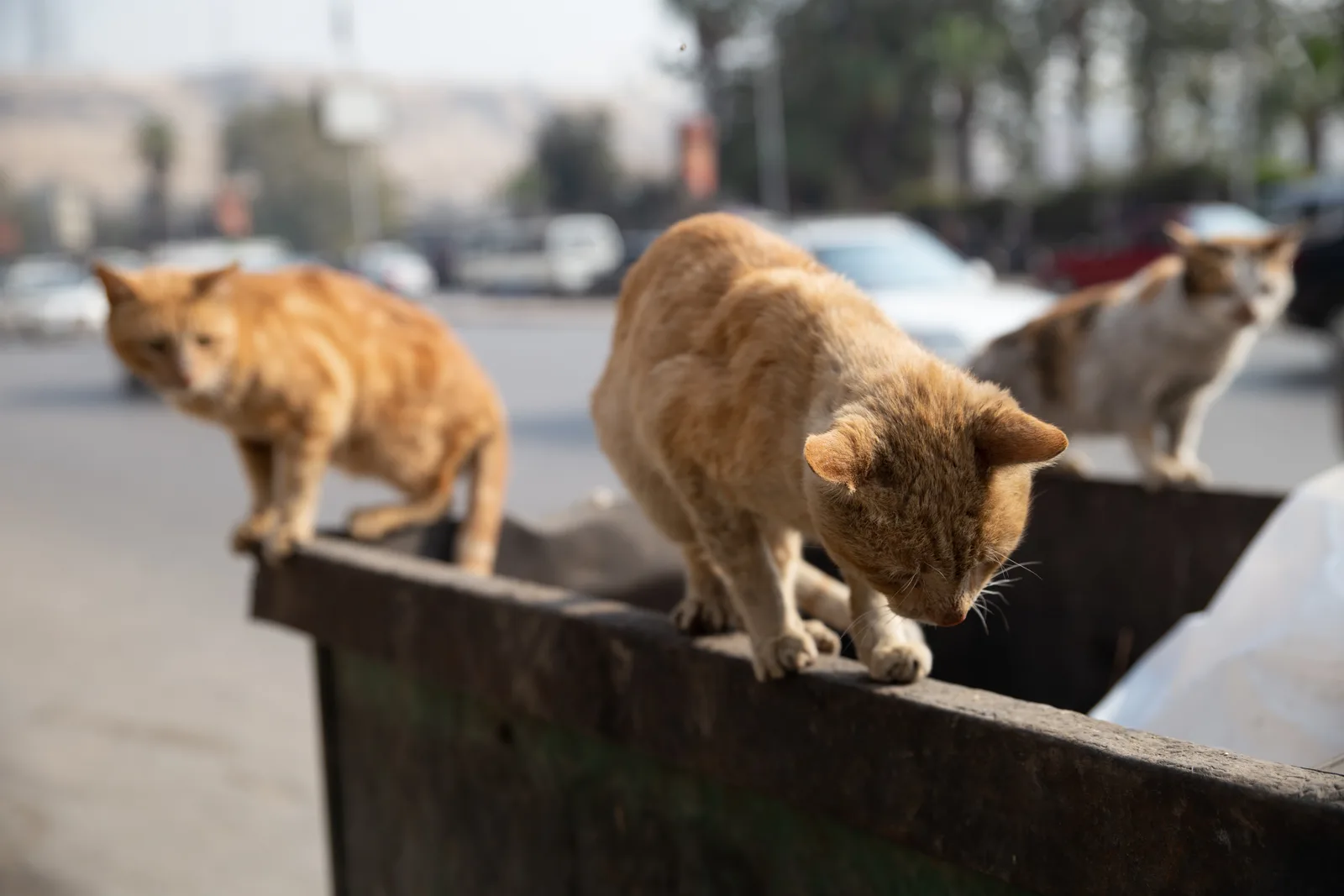
«Keda ghalat» («Esto está mal»): maltratar a un animal es un delito según el Código Penal egipcio desde 1937
Un vecino coloca platos envenenados junto al muro de la escuela; un carretero golpea a su burro en la cara bajo una carga excesiva. Muchos creen que «es solo un animal» y que ninguna ley lo protege. En realidad, los artículos 355, 356 y 357 del Código Penal castigan matar, envenenar y maltratar animales, con penas de hasta prisión. En vísperas del Día Mundial de los Animales, explicamos qué dice la ley.
3 de octubre de 2026 · 6 min de lectura
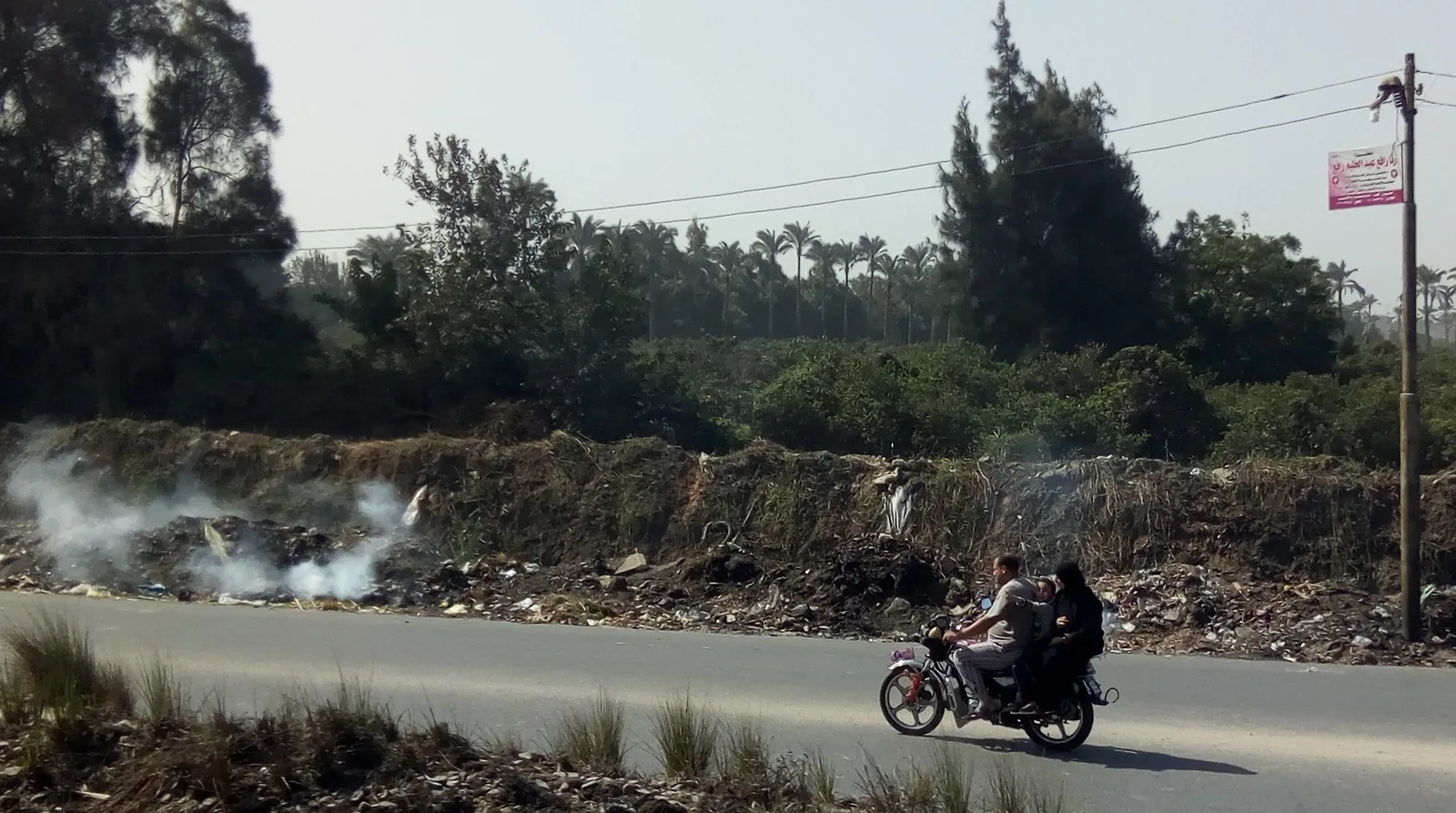
Cuatro en una moto y sin casco: la cabeza descubierta es lo más caro que una familia puede perder en la carretera
En la segunda semana de clases se repite la misma escena: un padre al manillar, un niño delante, otro detrás, la madre con las mochilas, y ni un solo casco. La prensa, citando a la CAPMAS, señala un salto en las muertes de 190 a 897 entre 2020 y 2024, mientras Cochrane muestra que el casco solo reduce el riesgo de muerte un 42%. La ley castiga la cabeza descubierta desde 1999, multa elevada en 2008. ¿Por qué no cumplimos?
23 de septiembre de 2026 · 8 min de lectura
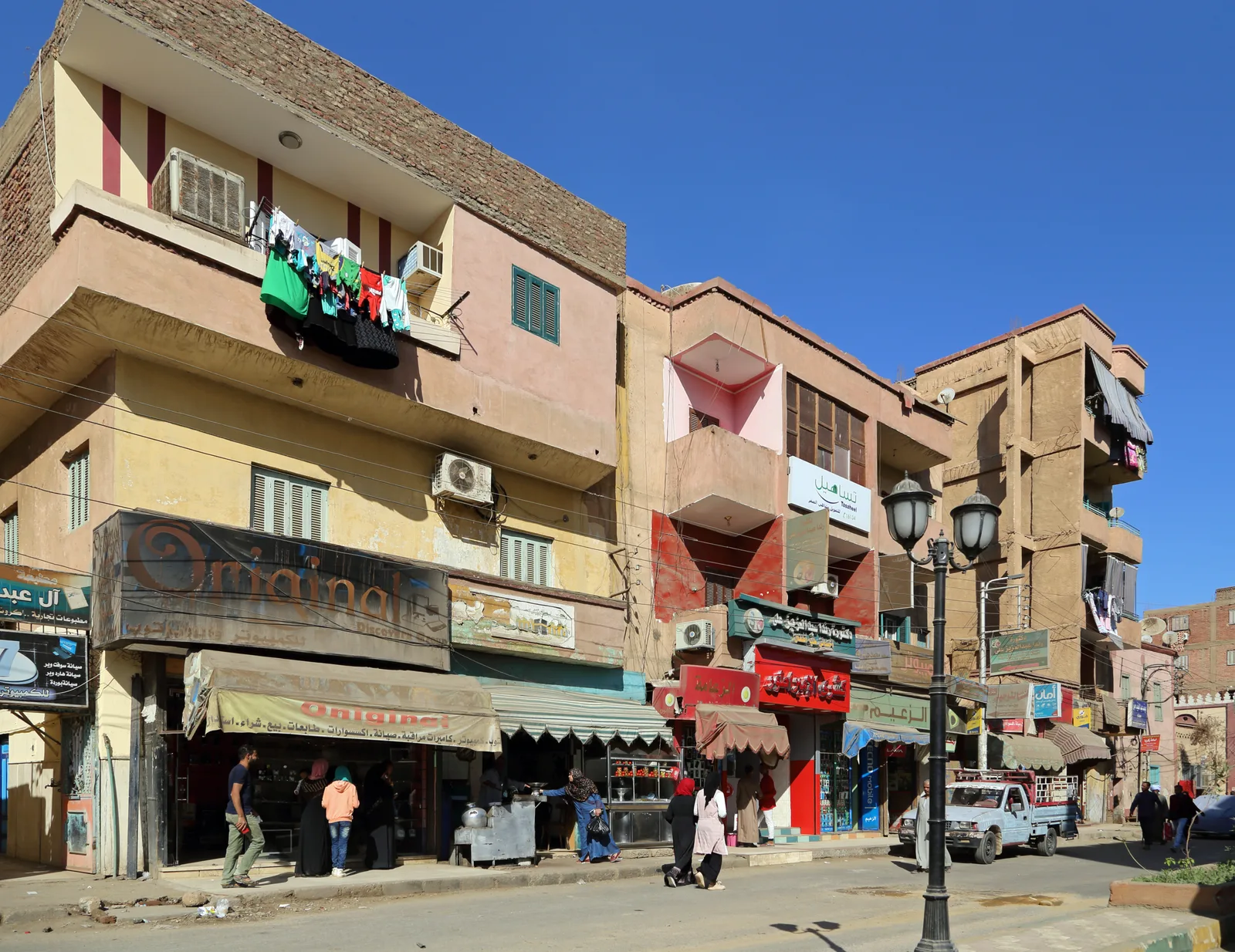
«Un enganche al cable» no es viveza: el robo de electricidad es un delito que paga todo el barrio
Un cable pelado que cuelga de un poste hasta un balcón, un aire acondicionado con un contador inmóvil, y un fusible que salta por tercera vez, dejando a oscuras al vecino que sí paga su factura. El artículo 71 de la Ley de Electricidad llama a esto apropiación indebida de corriente, castigada con prisión y multa, mientras una reforma más dura espera a la Cámara. ¿Qué pierde toda una calle por un enganche? ¿Cuál es la alternativa correcta?
14 de septiembre de 2026 · 7 min de lectura