Una colilla encendida: una pequeña brasa basta para una catástrofe
Un solo gesto del dedo: el cigarrillo sale despedido por la ventanilla o cae en la acera aún encendido, y su dueño sigue de largo. Pero la brasa no sabe que es «pequeña». Sobre la hierba seca, junto a un montón de basura o cerca de una fuga de combustible, basta una chispa para desatar una catástrofe. Un descuido de segundos puede devorar el sustento de familias enteras. Esto está mal.
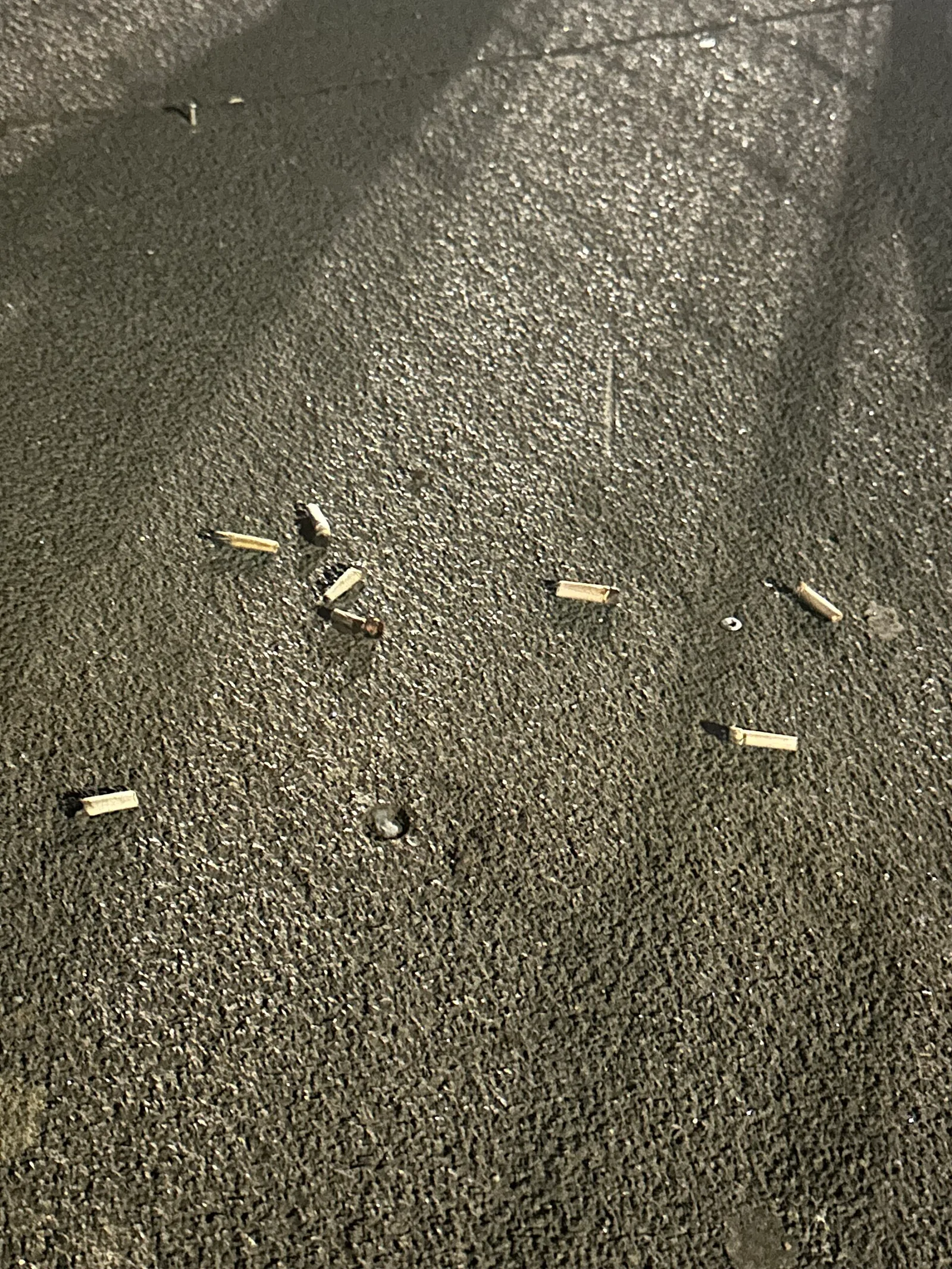
Es un solo movimiento de un dedo, hecho sin pensar: una última calada al cigarrillo y luego el lanzamiento por la ventanilla del coche o la caída sobre la acera, con la colilla todavía encendida y soltando chispas. El fumador sigue su camino y la brasa se queda sola en el suelo, decidiendo la suerte de todo lo que la rodea.
Una brasa no sabe que es «pequeña». El fuego solo necesita tres cosas, y las tres se encuentran con facilidad en nuestras calles: calor, que aporta la propia brasa; algo inflamable, y un poco de aire. Hierba seca al borde de un camino agrícola, un montón de basura con papel y cartón, residuos plásticos, una mancha de combustible junto a una gasolinera o un taller. Materiales que esperan una chispa, y la chispa llega por correo urgente desde la ventanilla de un coche que pasa.
¿Cuántos incendios han empezado exactamente así, con una brasa que su dueño no se molestó en apagar? No hace falta inventar casos concretos: los informes de protección civil de todo el mundo sitúan las colillas arrojadas sin cuidado entre las causas recurrentes de los incendios en granjas, almacenes y viviendas. El patrón es conocido y está documentado: una brasa, material seco, algo de viento, y después un fuego que quien lo encendió ya no podría apagar aunque quisiera.
Imagina la escena en su forma más simple: una colilla encendida sale disparada por la ventanilla de un coche en una autovía y el aire la lleva a la cara del motorista que va detrás, o acaba en una carga de paja sobre una camioneta. O una colilla que se tira desde un balcón y cae sobre el toldo de tela de una tienda de la planta baja, sobre la ropa tendida o en el balcón del vecino, donde hay algo que puede arder. Ninguna de esas personas eligió ser parte de una apuesta que encendió otro.
Y aquí está el fondo del reproche moral que nos importa antes que nada: quien lanza una brasa encendida a un espacio compartido está jugando con la vida, el sustento y los bienes de los demás para ahorrarse tres segundos, que es lo que se tarda en apagar un cigarrillo antes de tirarlo. Aunque nunca llegue a arder nada, el gesto sigue siendo un desprecio hacia la gente, una provocación y un mensaje que dice: tu seguridad no vale para mí ni el movimiento de un dedo.
Ni siquiera la colilla apagada es del todo inocente: es un residuo cuyo abandono en la vía pública castiga la ley egipcia de limpieza pública n.º 38 de 1967 y sus reformas, y es una de las basuras más extendidas en las calles del mundo y de las que más tardan en degradarse. Pero la colilla encendida, en concreto, traslada el acto de la categoría de la suciedad a la del peligro inminente.
La paradoja es que aquí la solución es de las más baratas y sencillas que existen. Al fumador le basta con apagar el cigarrillo del todo —frotándolo contra una superficie dura o mojándolo— antes de echarlo a una papelera. Quien fuma en su coche tiene un cenicero fabricado justo para eso; a quien fuma en su balcón le basta un platillo. No se pide que nadie deje de fumar: solo se pide que tu cigarrillo no se convierta en un proyectil incendiario.
¿Qué se le pide al ciudadano? Apaga y luego tira, siempre y sin excepción, aunque te parezca que la brasa está a punto de apagarse sola. Y enseña a los fumadores de tu casa —si no consigues convencerlos de que lo dejen— que ese gesto en concreto es una línea roja. Y quien vea a alguien lanzar una brasa por la ventanilla, que se lo diga: «eso está mal».
¿Y qué se le pide al Estado y a los establecimientos abiertos al público? Ceniceros y recipientes metálicos con arena en las entradas de edificios, cafeterías y estaciones de transporte, para que ningún fumador pueda excusarse en la falta de un sitio adecuado. Campañas de concienciación que unan de forma directa la colilla encendida y el incendio, porque muchos lo hacen por auténtico desconocimiento de las consecuencias y no por desprecio. Y después, la aplicación de las multas ya existentes a quien insista.
La brasa de un cigarrillo es la cosa más pequeña que puede llevar una mano, y puede ser el primer hilo de la mayor pérdida que haya conocido una calle entera. Entre una cosa y otra median tres segundos de atención, nada más. A quien se los escatima a sus vecinos y a los que pasan por la calle se lo decimos sin dudarlo: «eso está mal».
Noticias relacionadas
«Keda ghalat» («Esto está mal»): maltratar a un animal es un delito según el Código Penal egipcio desde 1937
Un vecino coloca platos envenenados junto al muro de la escuela; un carretero golpea a su burro en la cara bajo una carga excesiva. Muchos creen que «es solo un animal» y que ninguna ley lo protege. En realidad, los artículos 355, 356 y 357 del Código Penal castigan matar, envenenar y maltratar animales, con penas de hasta prisión. En vísperas del Día Mundial de los Animales, explicamos qué dice la ley.
3 de octubre de 2026 · 6 min de lectura
Cuatro en una moto y sin casco: la cabeza descubierta es lo más caro que una familia puede perder en la carretera
En la segunda semana de clases se repite la misma escena: un padre al manillar, un niño delante, otro detrás, la madre con las mochilas, y ni un solo casco. La prensa, citando a la CAPMAS, señala un salto en las muertes de 190 a 897 entre 2020 y 2024, mientras Cochrane muestra que el casco solo reduce el riesgo de muerte un 42%. La ley castiga la cabeza descubierta desde 1999, multa elevada en 2008. ¿Por qué no cumplimos?
23 de septiembre de 2026 · 8 min de lectura

«Un enganche al cable» no es viveza: el robo de electricidad es un delito que paga todo el barrio
Un cable pelado que cuelga de un poste hasta un balcón, un aire acondicionado con un contador inmóvil, y un fusible que salta por tercera vez, dejando a oscuras al vecino que sí paga su factura. El artículo 71 de la Ley de Electricidad llama a esto apropiación indebida de corriente, castigada con prisión y multa, mientras una reforma más dura espera a la Cámara. ¿Qué pierde toda una calle por un enganche? ¿Cuál es la alternativa correcta?
14 de septiembre de 2026 · 7 min de lectura