Basura que vuela por la ventanilla del coche: segundos de pereza que pueden costar una vida
Una ventanilla se baja, una mano se asoma, una bolsa cae sobre el asfalto y el coche sigue su camino. Una escena que se repite a diario en nuestras calles, tanto desde coches modestos como desde los más lujosos. Antes que una infracción, es un mensaje de desprecio a todo el que transita por la vía, y una trampa en la que un peatón puede resbalar y pagarlo con la vida. Esto está mal.
La escena no necesita una descripción larga porque la vemos todos los días: un coche circula por la carretera, se baja una ventanilla, una mano se asoma con una bolsa, una botella o restos de comida, y todo eso cae sobre el asfalto mientras el coche sigue su camino como si nada hubiera pasado. Para el dueño de esa mano, la calle es un gran cubo de basura, y los barrenderos existen para recoger lo que él tira.
Y digámoslo con claridad desde la primera línea: el lujo del coche no es ninguna disculpa. ¿Cuántas veces hemos visto salir la bolsa por la ventanilla tintada de un coche que cuesta lo que un piso? La elegancia no es una marca ni un año de modelo; la elegancia es una conducta. Quien tira su basura por la ventanilla se retrata a sí mismo de la manera más elocuente, sea cual sea el coche que conduce.
La falta aquí es moral antes que legal. La calle es propiedad común de todos los que la usan: el que camina, el que va en coche, el vendedor, el niño que vuelve del colegio. Quien arroja allí sus desperdicios les está diciendo en la práctica a todos ellos: mi comodidad importa más que todos los demás, y la limpieza del interior de mi coche bien vale que se ensucie la calle por la que caminan. Eso es un insulto, una provocación y un daño, aunque el acto no tenga absolutamente ninguna otra consecuencia.
Pero lo grave es que sí puede tener consecuencias mucho peores que la fealdad. Imagina a un estudiante que va al colegio por la mañana, caminando por el borde de la calzada porque la acera está ocupada, y que pisa una cáscara de fruta o una bolsa mojada arrojada minutos antes desde la ventanilla de un coche que pasaba. Resbala, pierde el equilibrio y cae al carril de los vehículos. En un solo segundo, la pereza de alguien que no soportó llevar una bolsa en su coche hasta la papelera más cercana se convierte en una tragedia que destroza a una familia entera.
No hace falta esperar a la tragedia para juzgar el acto. Incluso en el mejor de los casos, cuando nadie resbala y nadie sale herido, tirar basura desde el coche sigue siendo una conducta inmoral, incívica y ofensiva para todo el que la ve. La fealdad está en el acto mismo, no solo en su resultado.
Y una bolsa nunca se queda sola. La primera bolsa en el arcén es una invitación abierta a la segunda y a la tercera, hasta que el borde de la carretera se convierte en un pequeño vertedero: las bolsas vuelan a la cara de los conductores, tapan los sumideros de agua de lluvia y acaban en los canales de riego y de drenaje. La mala costumbre construye ella misma su entorno: el sitio sucio invita a ensuciarlo más.
La ley también tiene algo que decir aquí, aunque la pongamos en segundo lugar a propósito. Arrojar residuos en la vía pública es una infracción castigada por la ley egipcia de limpieza pública n.º 38 de 1967 y sus modificaciones. El texto existe desde hace décadas; lo que falta es una aplicación firme que haga pensárselo dos veces a quien está a punto de bajar la ventanilla.
Y hay un argumento a mano que oímos muchas veces: «¿Y entonces para qué están los barrenderos?». La respuesta es sencilla: que haya alguien que barra la calle no es una licencia para ensuciarla, igual que la existencia de los médicos no es una invitación a hacer daño a la gente. El barrendero merece que respetemos su trabajo y no que lo multipliquemos sin sentido, que le conservemos su dignidad y no que lo tratemos como una escoba que camina detrás de nuestras ventanillas.
¿Qué se le pide al ciudadano? Algo de una sencillez casi ridícula: una bolsa pequeña dentro del coche donde se junte la basura hasta la papelera más cercana. Eso es todo. Y si ves a alguien haciéndolo, díselo con educación y firmeza, aunque sea con una mirada: «así no se hace». Quien se equivoca sabiendo que la gente lo ve y lo reprueba cambia mucho más rápido que aquel cuyo acto pasa sin un solo comentario.
¿Y qué se le pide al Estado? Papeleras suficientes y repartidas con criterio por calles y plazas; una aplicación real de las multas ya previstas en la ley, de modo que la sanción llegue al dueño del coche igual que le llega la de exceso de velocidad; y el aprovechamiento de las cámaras de vigilancia de tráfico ya instaladas para detectar esta conducta siempre que sea posible. La ley que no se aplica se convierte en un consejo.
La carretera es el espejo de quien la recorre. Cuando la bolsa vuela por la ventanilla, no cae sola sobre el asfalto: con ella cae algo de la imagen de la ciudad y de la imagen de su gente. «Así no se hace», y lo seguiremos diciendo hasta que la estampa de la mano que se asoma por la ventanilla con una bolsa sea cosa del pasado.
Noticias relacionadas

«Keda ghalat» («Esto está mal»): maltratar a un animal es un delito según el Código Penal egipcio desde 1937
Un vecino coloca platos envenenados junto al muro de la escuela; un carretero golpea a su burro en la cara bajo una carga excesiva. Muchos creen que «es solo un animal» y que ninguna ley lo protege. En realidad, los artículos 355, 356 y 357 del Código Penal castigan matar, envenenar y maltratar animales, con penas de hasta prisión. En vísperas del Día Mundial de los Animales, explicamos qué dice la ley.
3 de octubre de 2026 · 6 min de lectura
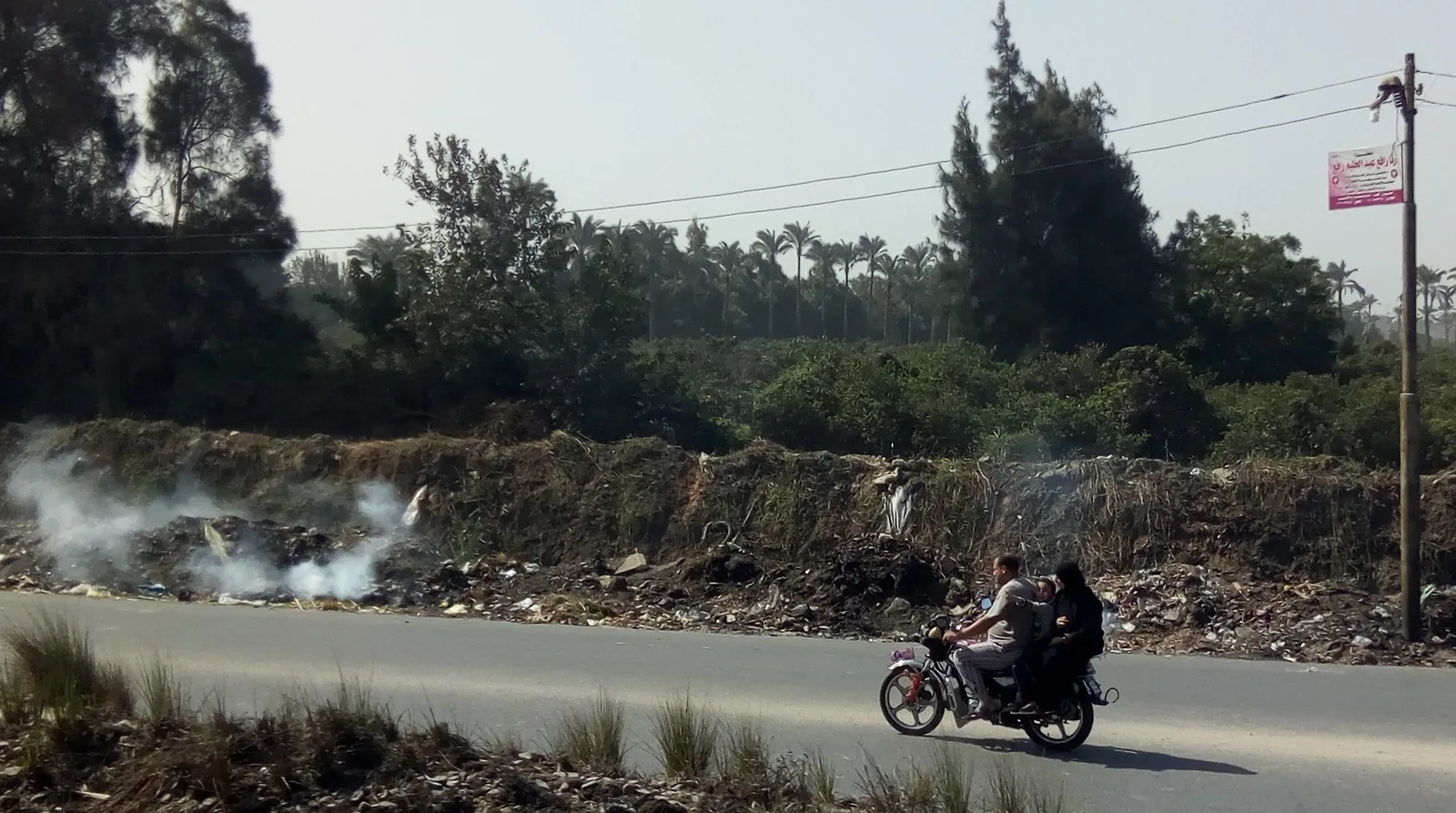
Cuatro en una moto y sin casco: la cabeza descubierta es lo más caro que una familia puede perder en la carretera
En la segunda semana de clases se repite la misma escena: un padre al manillar, un niño delante, otro detrás, la madre con las mochilas, y ni un solo casco. La prensa, citando a la CAPMAS, señala un salto en las muertes de 190 a 897 entre 2020 y 2024, mientras Cochrane muestra que el casco solo reduce el riesgo de muerte un 42%. La ley castiga la cabeza descubierta desde 1999, multa elevada en 2008. ¿Por qué no cumplimos?
23 de septiembre de 2026 · 8 min de lectura
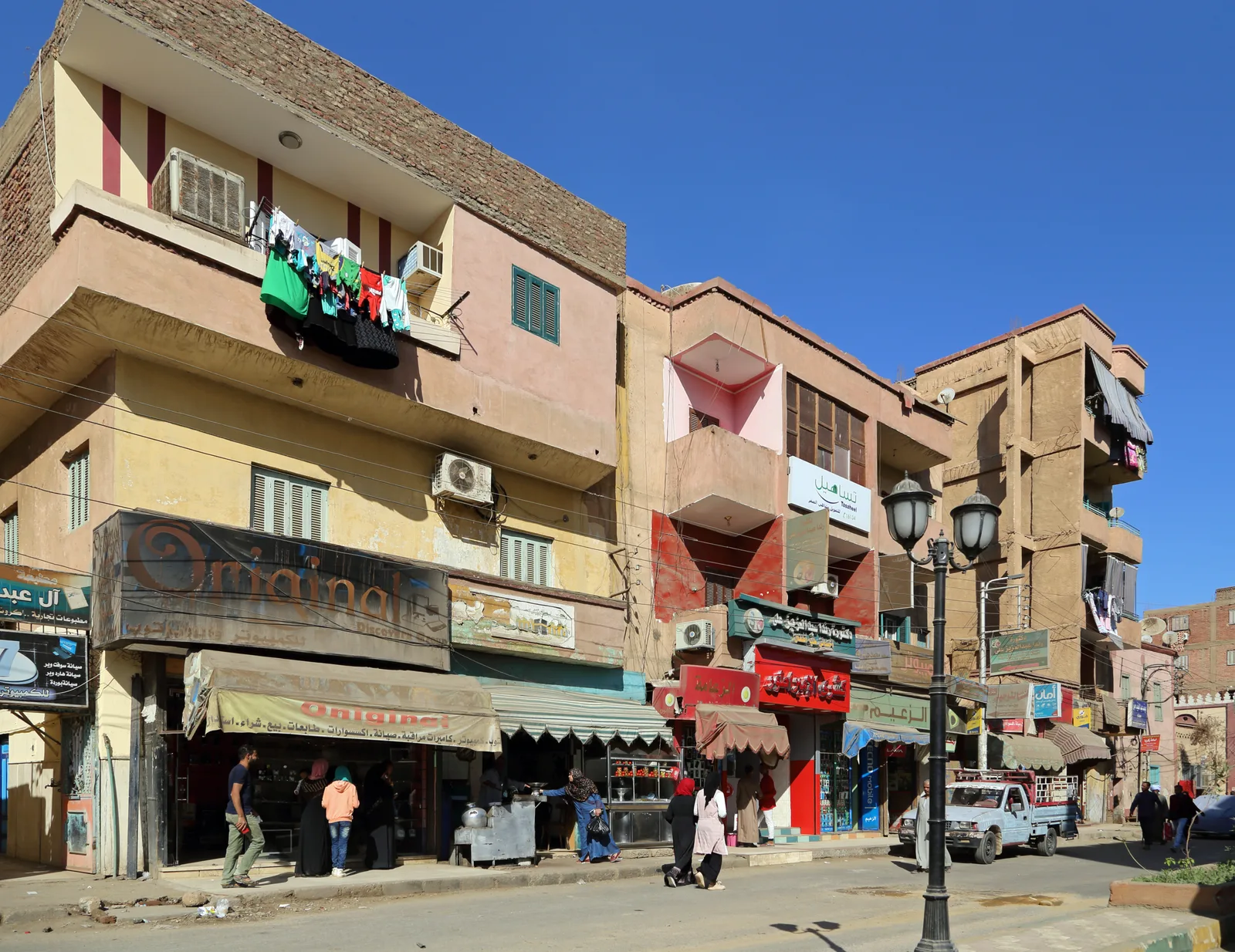
«Un enganche al cable» no es viveza: el robo de electricidad es un delito que paga todo el barrio
Un cable pelado que cuelga de un poste hasta un balcón, un aire acondicionado con un contador inmóvil, y un fusible que salta por tercera vez, dejando a oscuras al vecino que sí paga su factura. El artículo 71 de la Ley de Electricidad llama a esto apropiación indebida de corriente, castigada con prisión y multa, mientras una reforma más dura espera a la Cámara. ¿Qué pierde toda una calle por un enganche? ¿Cuál es la alternativa correcta?
14 de septiembre de 2026 · 7 min de lectura