La Nueva Capital Administrativa de Egipto: qué es, cómo se traslada el Gobierno y por qué persiste el debate sobre su coste
A unos 45 kilómetros al este de El Cairo, Egipto construye desde cero una nueva sede de gobierno. ¿Qué es la Nueva Capital Administrativa? ¿Cómo avanza el traslado escalonado de los ministerios? ¿Cómo se conecta con El Cairo? ¿Y por qué su coste sigue siendo objeto de un debate real y documentado?
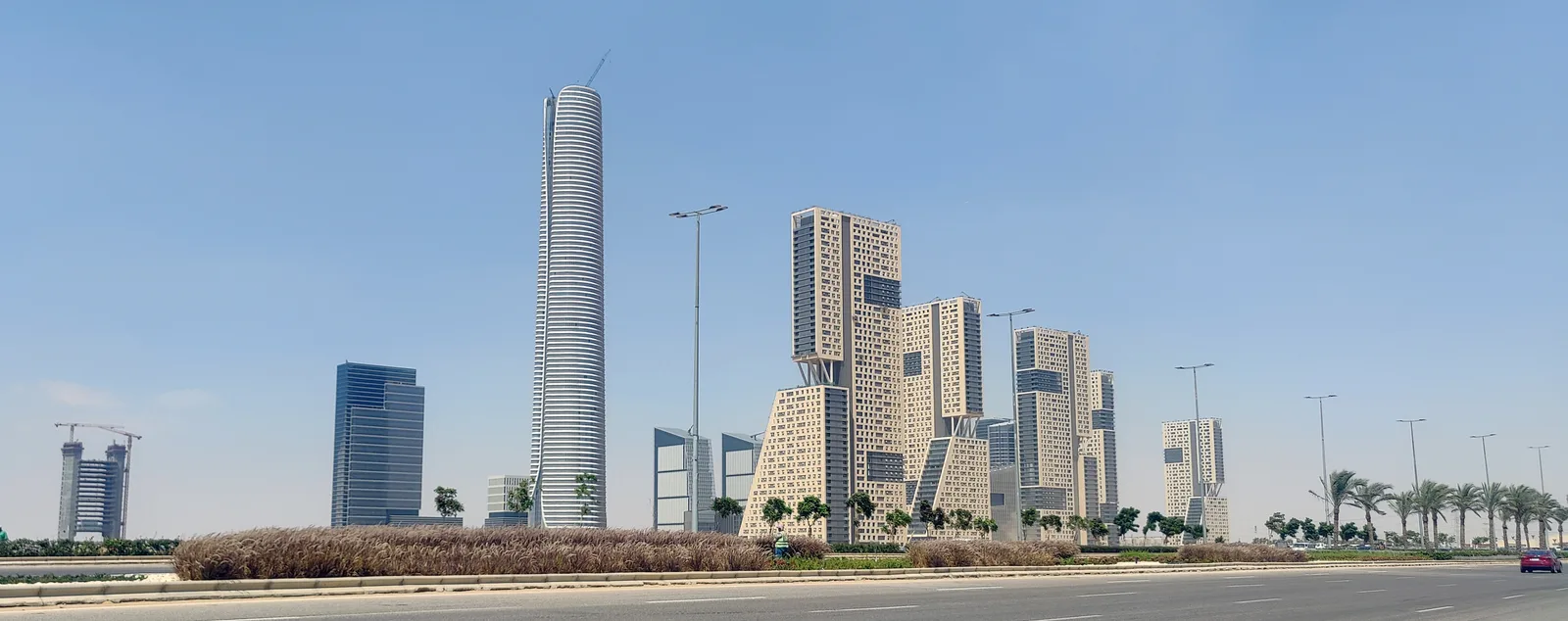
A unos cuarenta y cinco kilómetros al este de El Cairo, sobre terreno desértico junto a la carretera de Suez, Egipto construye una ciudad enteramente nueva destinada a convertirse en la sede del poder. Anunciada en marzo de 2015 durante una conferencia económica en Sharm el Sheij, la Nueva Capital Administrativa es el mayor proyecto de ciudad nueva emprendido jamás en el país. Este informe explica qué es la ciudad, cómo avanza el traslado por fases del aparato del Estado, cómo se conecta con El Cairo y por qué su coste sigue siendo objeto de un debate público documentado.
Sobre el papel, el proyecto abarca unos setecientos kilómetros cuadrados, una superficie que a menudo se compara con la de Singapur. El plan maestro contempla un distrito gubernamental con los ministerios y el Consejo de Ministros, una nueva sede del Parlamento, un barrio presidencial, un distrito financiero y de negocios presidido por la Torre Icónica, un barrio diplomático para las embajadas, zonas residenciales y universidades, un enorme parque central conocido como «el Río Verde» e instalaciones deportivas. Los planificadores hablan de una ciudad capaz de albergar con el tiempo a millones de habitantes, aunque formar una población resulta mucho más lento que levantar torres.
El argumento oficial parte del propio Gran Cairo: una metrópoli que supera con creces los veinte millones de habitantes y cuyas calles, servicios y viviendas soportan la presión de un crecimiento incesante. Durante décadas, los ministerios funcionaron en edificios viejos y abarrotados, dispersos por el centro de El Cairo, lo que complicaba a la vez la gestión diaria y el tráfico. Desde los años setenta, Egipto viene construyendo ciudades satélite —Seis de Octubre, Nuevo Cairo o Décimo de Ramadán— para desviar el crecimiento fuera de la estrecha franja del valle del Nilo, y la Capital Administrativa representa el capítulo más ambicioso de esa política prolongada.
Del desarrollo de la ciudad se encarga la Compañía de la Capital Administrativa para el Desarrollo Urbano, conocida por sus siglas ACUD, cuya propiedad se reparte entre organismos de suelo vinculados a las fuerzas armadas y el Ministerio de Vivienda. Los responsables han repetido que el proyecto se financia a sí mismo: la empresa vende suelo urbanizado e inmuebles a promotores y destina lo recaudado a costear las infraestructuras, en lugar de recurrir directamente al presupuesto del Estado. Economistas y críticos han cuestionado, sin embargo, hasta qué punto esa separación es completa en la práctica, y señalan avales, contratos públicos y préstamos que acaban por vincularse a las cuentas públicas.
Varios hitos definen ya el perfil de la ciudad. La Torre Icónica, en el distrito de negocios, se describe ampliamente como el edificio más alto de África, mientras que la mezquita de Al Fattah Al Alim y la catedral de la Natividad de Cristo —inaugurada en enero de 2019 y considerada una de las mayores iglesias de Oriente Medio— vertebran la arquitectura religiosa de la nueva capital. Una amplia explanada gubernamental, el complejo octogonal del Ministerio de Defensa, universidades nuevas, una ciudad de las artes y la cultura y un mástil de bandera descomunal completan una primera impresión deliberadamente monumental.
El traslado del Gobierno se ha producido por etapas calculadas. Tras años de obras y de pruebas de funcionamiento, los ministerios empezaron a llevar a su personal al distrito gubernamental de forma gradual, comenzando por grupos piloto de funcionarios antes de ampliar los traslados. Las reuniones del Consejo de Ministros, las sesiones del Parlamento y las funciones presidenciales se han desplazado paulatinamente hacia el este. La mudanza afecta a decenas de miles de empleados, a nuevos sistemas de nóminas y de transporte y a una digitalización de los procedimientos que los responsables presentan como una oportunidad para modernizar la propia administración, y no solo para cambiarle la dirección.
Como la mayoría de los empleados sigue viviendo en el Gran Cairo, el transporte es la prueba diaria del proyecto. Un tren ligero eléctrico enlaza la ciudad con el intercambiador de Adly Mansur, donde conecta con la línea 3 del metro de El Cairo; se construye además un monorraíl para unir el este de El Cairo con los barrios de la nueva capital, y la ciudad cuenta también con autobuses regionales y una red de carreteras en expansión, además de planes de trenes de alta velocidad. Para quienes se desplazan a diario, el coste y la duración del viaje siguen siendo realidades decisivas.
El coste es el punto donde el debate documentado se vuelve más encendido. Las estimaciones que han circulado a lo largo de los años para la construcción completa alcanzan las decenas de miles de millones de dólares, y no existen cifras finales auditadas de dominio público. Los críticos —entre ellos economistas egipcios y voces de la oposición— se preguntan si un Estado con una pesada deuda externa debería anteponer una capital nueva a la mejora de las ciudades existentes, las escuelas y los hospitales. Los partidarios responden que la venta de suelo financia las obras y que el proyecto atrae inversión. La discrepancia es real, sigue abierta y merece entenderse en sus propios términos.
Los urbanistas plantean preguntas que van más allá del dinero. ¿Atraer al Gobierno y a los negocios hacia el este vaciará de vida El Cairo histórico o lo aliviará lo suficiente para permitir la restauración de su núcleo patrimonial? ¿Puede una ciudad planificada en torno a avenidas anchas y urbanizaciones cerradas alimentar la vida de calle que da vitalidad a las ciudades egipcias? ¿Y cómo se garantizarán el agua, los servicios y la vivienda asequible en pleno desierto y a esta escala? De esas preguntas dependerá el juicio a largo plazo sobre el proyecto.
La historia ofrece precedentes dispares. Capitales construidas ex profeso como Brasilia, Islamabad, Abuya o Astaná tardaron décadas en pasar de enclaves administrativos a ciudades vivas, y algunas nunca completaron esa transformación. La nueva capital de Egipto ya cumple su función como sede del poder; que llegue a ser un lugar donde millones de personas vivan, trabajen y se sientan parte de él es una historia que se irá revelando a lo largo de toda una generación. Hasta entonces, la conclusión más justa es que la ciudad existe, que el traslado está en marcha y que el debate sobre su precio y sus prioridades continúa.
Noticias relacionadas

Pico de agosto: la red eléctrica de Egipto supera por primera vez los 40.000 MW sin cortes programados
La red nacional egipcia cruzó por primera vez en su historia el umbral de los 40.000 megavatios durante la ola de calor de la semana pasada, sin que volvieran los cortes de carga. Cómo resistió el suministro de combustible tras el ataque con dron en Damieta, y qué significan las nuevas tarifas por tramos para su factura.
19 de agosto de 2026 · 7 min de lectura
La economía de Egipto en dos cifras: crecimiento del 5,2% y una región en tensión
El Gobierno anuncia un crecimiento del 5,2% en nueve meses mientras revisa escenarios de contingencia actualizados ante la escalada regional. Con la inflación en el 14,9% y el dólar rondando las 50 libras, ¿qué significan estas dos cifras para el bolsillo del ciudadano?
18 de agosto de 2026 · 7 min de lectura
«Keda ghalat» («Esto está mal»): maltratar a un animal es un delito según el Código Penal egipcio desde 1937
Un vecino coloca platos envenenados junto al muro de la escuela; un carretero golpea a su burro en la cara bajo una carga excesiva. Muchos creen que «es solo un animal» y que ninguna ley lo protege. En realidad, los artículos 355, 356 y 357 del Código Penal castigan matar, envenenar y maltratar animales, con penas de hasta prisión. En vísperas del Día Mundial de los Animales, explicamos qué dice la ley.
3 de octubre de 2026 · 6 min de lectura