Un río y once países: la diplomacia de la cuenca del Nilo, explicada
Egipto obtiene del Nilo más de nueve décimas partes de su agua dulce y se sitúa al final del curso de un río que comparten once países. De los acuerdos de 1929 y 1959 a la Iniciativa de la Cuenca del Nilo y la Gran Presa del Renacimiento etíope: este es el mapa de intereses, derecho y negociación de uno de los expedientes más importantes de la seguridad nacional egipcia y árabe.
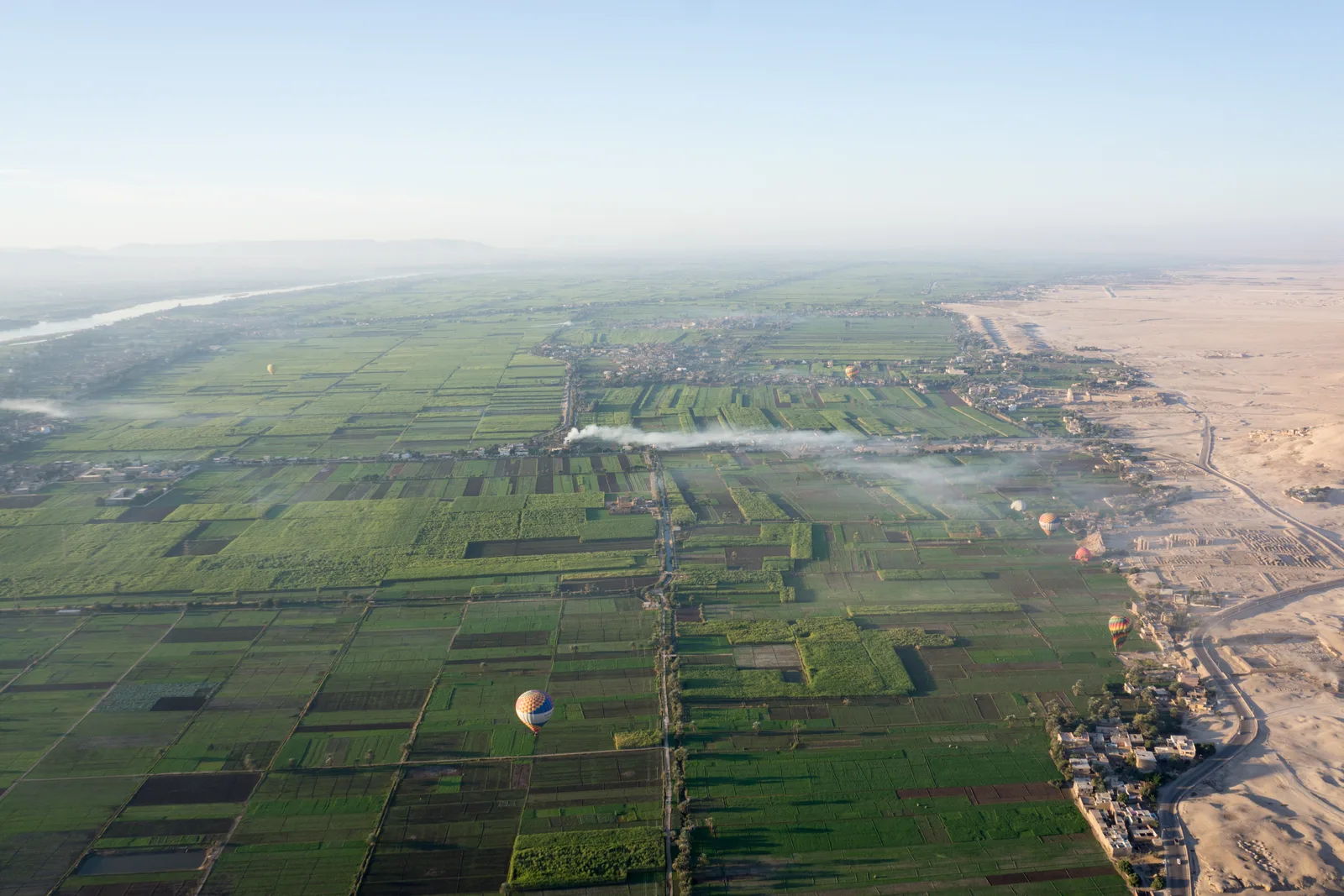
El Nilo no es solo un río que atraviesa Egipto: es la razón misma de su existencia, como advirtió el historiador griego Heródoto cuando describió al país como «un don del Nilo». Hoy once países comparten la cuenca del río, desde los lagos ecuatoriales de África hasta el Mediterráneo, y Egipto se sitúa en el último tramo del cauce, dependiente de la corriente para más de nueve décimas partes de sus recursos de agua dulce renovable, lo que convierte la diplomacia de la cuenca en un asunto existencial en el sentido literal del término.
El río se extiende unos 6650 kilómetros, lo que lo convierte en el más largo del mundo o en uno de los más largos, y se nutre de dos brazos principales: el Nilo Blanco, que desciende de los lagos de la meseta ecuatorial, y el Nilo Azul, que baja de las tierras altas de Etiopía y que, junto con el río Atbara, aporta la mayor parte —alrededor del 85 %— del agua que llega a Egipto, sobre todo en la temporada de crecida.
La dependencia egipcia del río es casi absoluta: las lluvias son escasas, el desierto cubre la mayor parte del territorio y, superados los cien millones de habitantes, la disponibilidad de agua renovable por persona ha caído muy por debajo de la línea de pobreza hídrica reconocida internacionalmente, situada en mil metros cúbicos anuales; en los últimos años se ha acercado incluso a la mitad de ese umbral.
La posición jurídica de Egipto se apoya en acuerdos históricos, sobre todo el convenio de 1929 firmado con Gran Bretaña en nombre de sus colonias de África oriental y el acuerdo de 1959 con Sudán, que repartió el caudal del río medido en Asuán: unos 55 500 millones de metros cúbicos para Egipto y 18 500 millones para Sudán. Los países de aguas arriba, sin embargo, nunca fueron parte de esos textos y proclaman su rechazo, al considerarlos una herencia colonial que no los obliga.
Los países de la cuenca han intentado levantar un marco común: primero con la «Iniciativa de la Cuenca del Nilo», lanzada en 1999 como foro de cooperación técnica y de fomento de la confianza, y después con el Acuerdo Marco de Cooperación firmado en Entebbe en 2010, al que se sumaron varios Estados de aguas arriba mientras Egipto y Sudán formulaban reservas sobre las cláusulas relativas a la seguridad hídrica y a los derechos históricos. Hasta hoy la cuenca sigue sin un marco jurídico que reúna a todos sus Estados.
La Gran Presa del Renacimiento Etíope colocó la disputa en el centro de la política internacional. Desde que comenzó su construcción en 2011 sobre el Nilo Azul, cerca de la frontera sudanesa, ha crecido hasta convertirse en una de las mayores presas hidroeléctricas de África, con un embalse cuya capacidad ronda los 74 000 millones de metros cúbicos. Etiopía la ve como una locomotora del desarrollo y como la vía para llevar electricidad a decenas de millones de hogares; El Cairo y Jartum ven un proyecto que toca su arteria vital mientras no lo gobiernen normas vinculantes.
Las demandas de Egipto y Sudán se concentran en un acuerdo jurídicamente vinculante que regule el llenado del embalse y las reglas de operación de la presa, con protocolos claros para los años de sequía prolongada, mecanismos periódicos de intercambio de datos y garantías de seguridad estructural, de modo que la gestión del río no se reduzca a decisiones unilaterales adoptadas aguas arriba cuyas consecuencias soportan los países de aguas abajo.
El proceso negociador ha atravesado varias estaciones, la más destacada la Declaración de Principios que firmaron los líderes de los tres países en Jartum en 2015, seguida de rondas auspiciadas por Estados Unidos y el Banco Mundial y más tarde por la Unión Africana, sin alcanzar un acuerdo vinculante, mientras Etiopía avanzaba en las fases de llenado a lo largo de sucesivas temporadas de lluvias y las turbinas de la presa empezaban a generar electricidad.
Dentro de sus fronteras, Egipto no aguarda de brazos cruzados el resultado de las negociaciones: ha ampliado el tratamiento y la reutilización de las aguas de drenaje agrícola en plantas gigantescas, encabezadas por la de Bahr El-Baqar, considerada entre las mayores del mundo, además de la desalación de agua de mar en la costa, la rehabilitación y el revestimiento de los canales, la racionalización del riego en el campo y la limitación de la superficie sembrada con cultivos muy exigentes en agua, como el arroz.
Muchos expertos recuerdan que el río puede ser un puente de cooperación y no un campo de disputa: la interconexión eléctrica, el comercio de energía y las inversiones conjuntas en almacenamiento, agricultura y navegación podrían reportar a toda la cuenca beneficios superiores a cualquier ganancia unilateral, sobre todo con el crecimiento sostenido de la población en los países ribereños y la presión del cambio climático sobre todos ellos sin excepción.
Para el lector egipcio y árabe, el asunto sigue siendo una historia de seguridad nacional por excelencia: aquí el agua no es solo un recurso económico, sino la condición misma de la vida. Por eso la diplomacia de la cuenca del Nilo —con sus negociaciones, sus cumbres y sus marcos jurídicos— seguirá siendo durante las próximas décadas uno de los frentes más importantes de la política exterior egipcia.
Noticias relacionadas
Un agujero en el cielo, cerrado por un tratado: el Protocolo de Montreal y el papel de Egipto en el ozono
El 16 de septiembre el mundo celebra el Día Internacional de la Preservación de la Capa de Ozono: un tratado ratificado por todos los países del planeta que realmente funcionó. Desde un artículo científico de 1974 hasta la firma de Montreal en 1987, la ratificación de Egipto en 1988 y la Enmienda de Kigali de 2023: la historia de la bombona de refrigerante en manos de un técnico, y por qué el cielo debería sanar hacia 2040.
16 de septiembre de 2026 · 7 min de lectura
La Liga Árabe: la casa de los árabes cuyas ventanas dan a la plaza Tahrir
A unos pasos de la plaza Tahrir se alza «la casa de los árabes»: una de las organizaciones regionales más antiguas del mundo, nacida en El Cairo antes que la propia Carta de la ONU. ¿Cómo funcionan sus cumbres y su secretaría? ¿Por qué sus resoluciones solo obligan a quien las acepta? ¿Y cuál es la historia del traslado a Túnez y del posterior regreso? Un recorrido por dentro de un viejo vecino ante el que pasamos cada día sin apenas conocerlo.
2 de septiembre de 2026 · 7 min de lectura
Bajo el techo azul: cómo funciona la ONU y quién tiene el «veto» en el Consejo de Seguridad
Cada vez que estalla una crisis oyes que el Consejo de Seguridad se ha reunido y que un país ha levantado el «veto». Pero ¿qué ocurre realmente bajo el techo azul? Un recorrido desde el salón de la Asamblea General hasta la mesa en herradura: cómo nace una resolución de la ONU, cuándo es vinculante, cómo la tumba una sola palabra y qué lugar ocupa Egipto en el escenario.
26 de agosto de 2026 · 8 min de lectura