El mar Rojo más allá de la playa: arrecifes, normas de buceo, dugongos y casas de delfines
La costa egipcia del mar Rojo es mucho más que complejos turísticos: corales resistentes al calor que estudian científicos de todo el mundo, estrictas normas de buceo, bahías de praderas marinas donde pasta el dugongo y lagunas de arrecife donde descansan los delfines giradores. Una guía del mar que hay detrás de la arena, y de cómo visitarlo sin dañarlo.
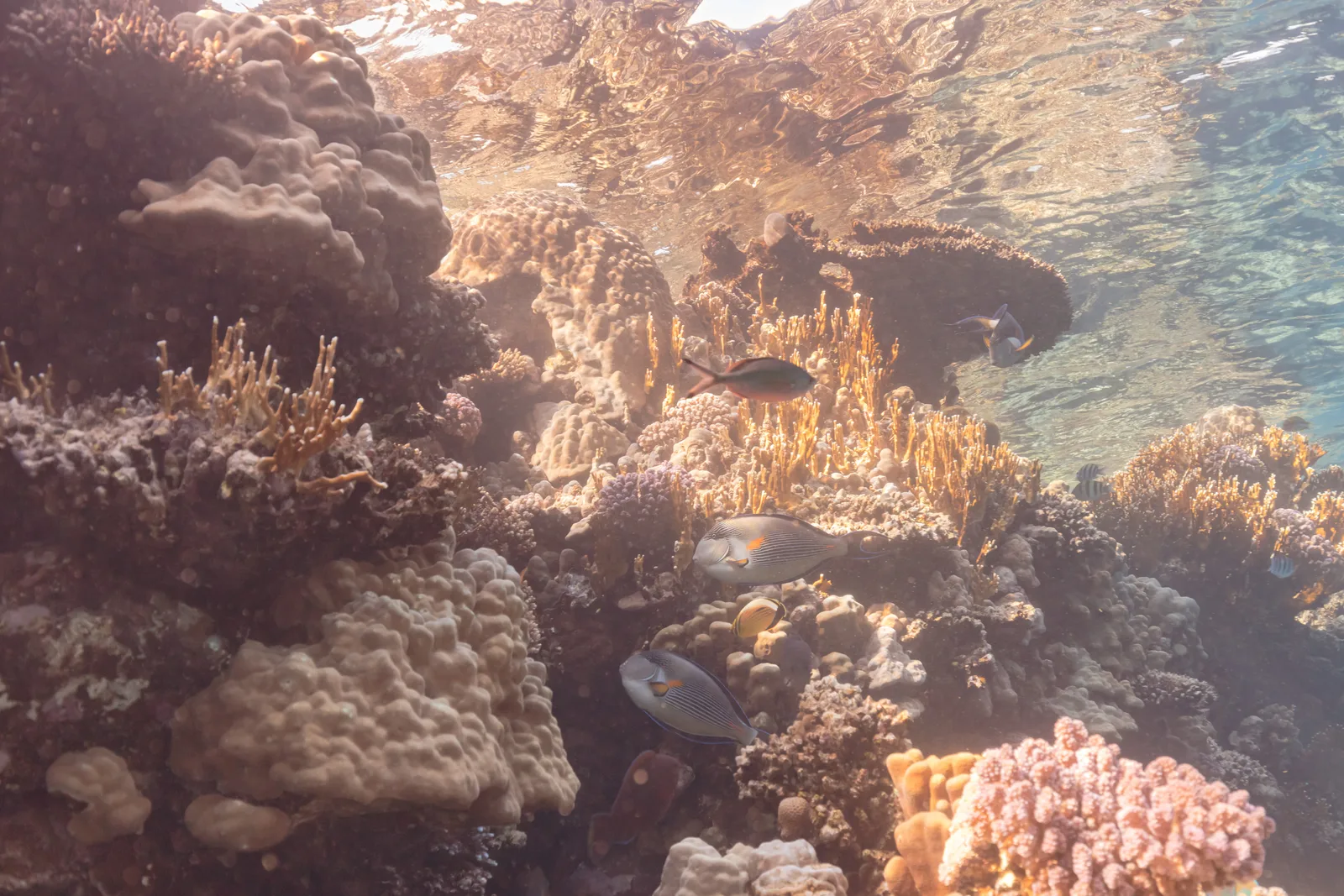
Las postales venden arena y sol, pero la verdadera riqueza del mar Rojo empieza donde termina la playa. A lo largo de la costa oriental de Egipto, desde Hurghada hacia el sur hasta Marsa Alam y más allá, un arrecife costero se extiende durante cientos de kilómetros, tan cerca de la orilla que un nadador alcanza el coral vivo a los pocos minutos de dejar la arena. Para buceadores y aficionados al esnórquel es uno de los grandes sistemas arrecifales más accesibles del planeta y, al mismo tiempo, uno de los más vigilados por los científicos marinos.
Ese interés científico tiene una razón de peso: los corales del norte del mar Rojo y del golfo de Aqaba han mostrado una tolerancia insólita al agua cálida y sobreviven a temperaturas que provocan blanqueamientos masivos en arrecifes de otras partes del mundo. Por eso los investigadores del cambio climático tratan la región como un posible refugio en el que las especies de coral podrían resistir incluso mientras se calientan los océanos. Eso da a los arrecifes egipcios una importancia que va mucho más allá del turismo: son un depósito genético vivo que el océano entero puede llegar a necesitar algún día.
Hurghada es la puerta histórica. Dentro de la memoria de los vivos fue un modesto puerto pesquero y luego se transformó en uno de los destinos de buceo más concurridos del mundo: cada día salen barcos hacia los arrecifes de las islas Giftun y hacia decenas de puntos con nombre propio más allá. Pero la fama trajo presión. Las anclas soltadas sin cuidado destrozan colonias de coral que tardaron décadas en crecer, los aletazos descontrolados quiebran el frágil coral ramificado y los sitios abarrotados concentran el daño justo en los lugares que dieron nombre a la ciudad.
La respuesta llegó en parte del propio sector del buceo. A comienzos de los años noventa, los operadores fundaron la Asociación de Protección y Conservación del Medio Ambiente de Hurghada, conocida como «HEPCA», que instaló boyas de amarre fijas a lo largo de la costa para que las embarcaciones pudieran atarse a un cabo en lugar de fondear el ancla sobre arrecife vivo. La red de boyas creció con los años hasta cubrir amplios tramos del mar Rojo egipcio y se convirtió en un ejemplo muy citado de cómo una industria turística puede organizarse para proteger el recurso del que vive.
Las reglas que debes cumplir bajo el agua no son consejos de cortesía: muchas figuran en la normativa de las áreas protegidas y en la charla previa de cualquier centro de buceo responsable. No toques el coral, no te apoyes en él ni lo agarres, ni siquiera con guantes; de hecho, muchos centros prohíben los guantes precisamente para eliminar la tentación. Controla tu flotabilidad para que ni las aletas ni el equipo rocen el arrecife. No alimentes a los peces, no persigas ni sujetes a los animales marinos y no recojas conchas ni corales, vivos o muertos: sacar recuerdos marinos de Egipto está prohibido. Las tasas ambientales que se cobran en los parques marinos ayudan a financiar las propias reservas.
Más al sur, Marsa Alam ofrece una versión más serena del mismo mar. Durante años solo se llegaba por una larga carretera del desierto; después, con la apertura de su aeropuerto, la zona creció hasta convertirse en base de algunos de los puntos de buceo más celebrados de Egipto. El arrecife de Elphinstone, un muro estrecho mar adentro que cae hacia el azul profundo, es famoso por sus corrientes de deriva y por los encuentros con tiburones oceánicos, mientras que las bahías resguardadas como Marsa Abu Dabbab esconden un tesoro distinto: extensas praderas de pastos marinos que ondean sobre fondos de arena, zona de pastoreo de las tortugas verdes y de un visitante todavía más raro.
Ese visitante más raro es el dugongo, un mamífero marino herbívoro, grande y lento, pariente del manatí, que se alimenta casi en exclusiva de pastos marinos. Los avistamientos en las bahías de Marsa Alam lo han convertido en emblema de la costa sur, pero el dugongo está amenazado en todo el mundo y se asusta con facilidad. Por eso las normas del encuentro son estrictas: mantén la distancia, no persigas al animal ni lo acorrales ni lo toques, no le cierres el camino hacia la superficie, donde necesita respirar, y deja que el encuentro ocurra —o no ocurra— en los términos del propio animal.
Están además las llamadas casas de los delfines. Sha'ab Samadai, un arrecife en forma de herradura cerca de Marsa Alam, encierra una laguna poco profunda donde los delfines giradores descansan de día tras una noche de caza en aguas profundas. Cuando el tráfico de barcos sin regular empezó a agobiar a los grupos en reposo, a comienzos de la década de 2000, las autoridades implantaron un sistema de gestión que divide el arrecife en zonas, mantiene a los visitantes fuera del área central de descanso de los delfines y limita el número diario. Otro arrecife parecido, Sataya, más al sur, recibe a los visitantes con reglas semejantes.
La costa sur se apoya también en el Parque Nacional de Wadi el Gemal, declarado área protegida en 2003, que va desde los valles del desierto interior hasta islas y arrecifes mar adentro, pasando por playas orladas de manglares. Los manglares dan cobijo aquí a los peces juveniles y a las aves que anidan, las islas acogen aves marinas reproductoras y tortugas que ponen sus huevos, y el parque une los dos mundos, el marino y el desértico, que los folletos turísticos suelen separar. Es un recordatorio de que la costa del mar Rojo es un único ecosistema y no una hilera de playas de hotel.
Para el visitante, el camino responsable está claro: elige centros de buceo con licencia que ofrezcan una charla previa completa, prefiere operadores que respeten las reglas de zonificación y los límites de tamaño de grupo, escucha al guía y trata cada aletazo como una decisión. Los arrecifes de Egipto han resistido el calentamiento del mar mejor que casi todos los del planeta; que resistan su propia fama depende en buena medida del comportamiento de quienes llegan a admirarlos. La playa es la puerta y el arrecife es la casa: los invitados deben comportarse en consecuencia.
Noticias relacionadas
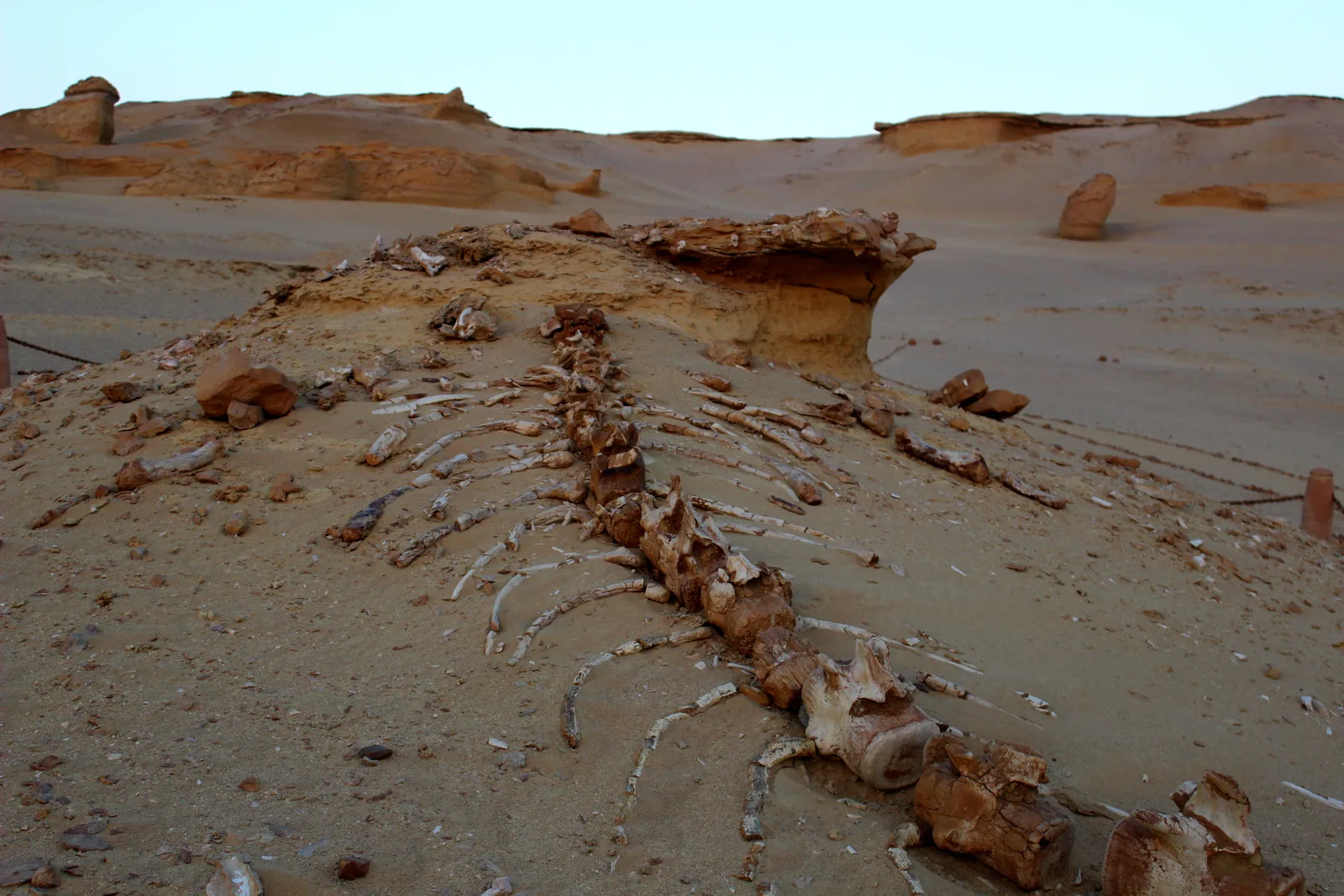
Wadi el-Hitan, cuando el Fayum era un mar: una excursión desde El Cairo a un fondo marino de 40 millones de años
A unas tres horas del tráfico de El Cairo, una familia egipcia se detiene ante un esqueleto de ballena con patas traseras, de 40 millones de años, en un desierto que antaño fue fondo marino. ¿Por qué eligió la UNESCO Wadi el-Hitan como el primer sitio natural egipcio del Patrimonio Mundial? ¿Y cómo combinar en un solo día los fósiles, las cascadas de Wadi el-Rayan y la cerámica de Tunis? Una guía práctica para un viaje sin visado.
24 de septiembre de 2026 · 7 min de lectura
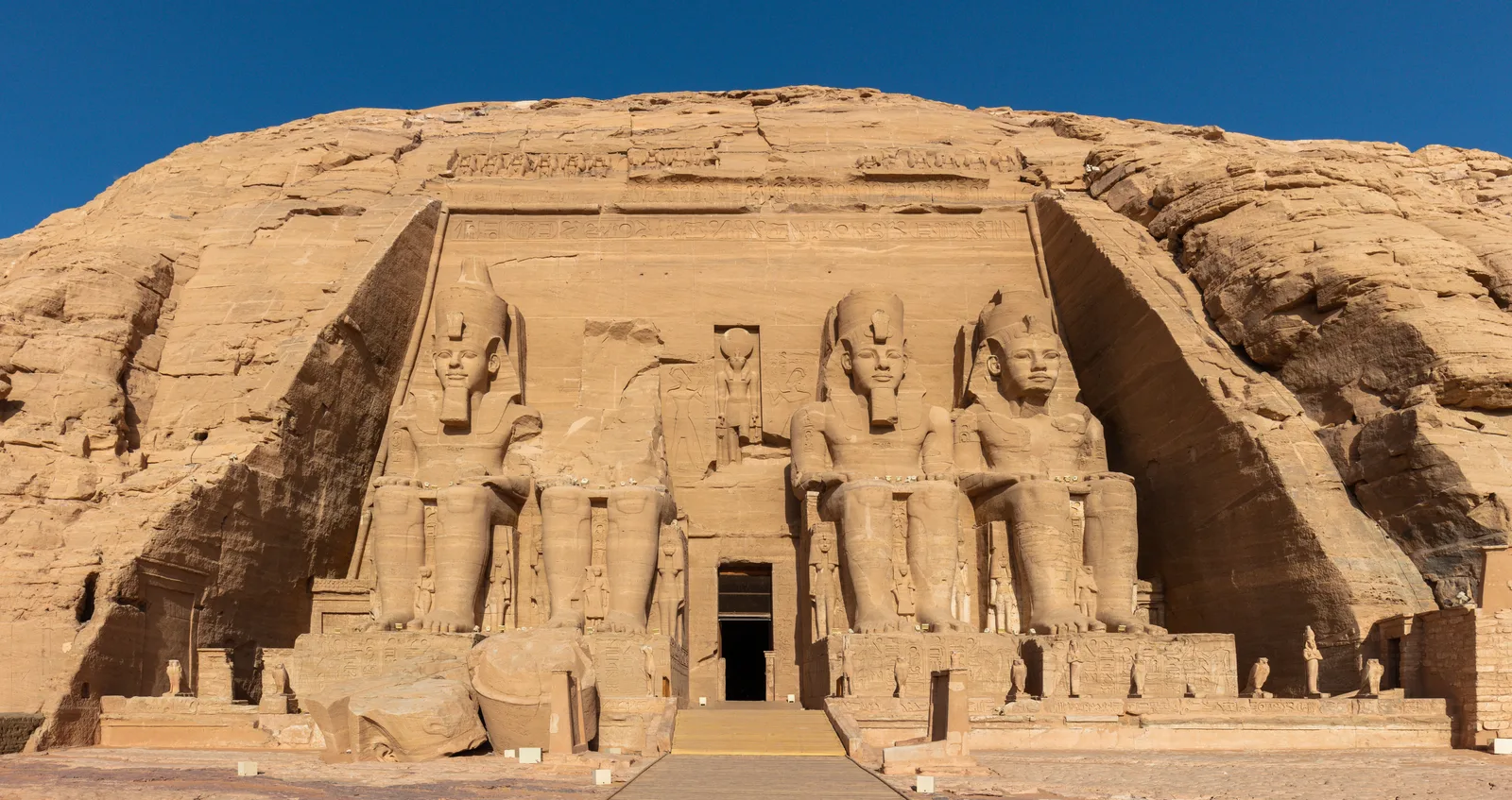
Abu Simbel: el templo que la humanidad elevó 65 metros para que no se hundiera, y al que el sol vuelve el 22 de octubre
Poco antes del amanecer del 22 de octubre, la gente aguarda en la oscuridad de la gran sala a que un hilo de luz atraviese unos sesenta metros de roca y caiga sobre el rostro de Ramsés. Detrás de ese instante hay una campaña internacional de veinte años que levantó el templo, bloque a bloque, por encima de las aguas del lago Nasser. Esta es su guía para entender el espectáculo y planear el viaje a Asuán con un mes de antelación.
20 de septiembre de 2026 · 7 min de lectura
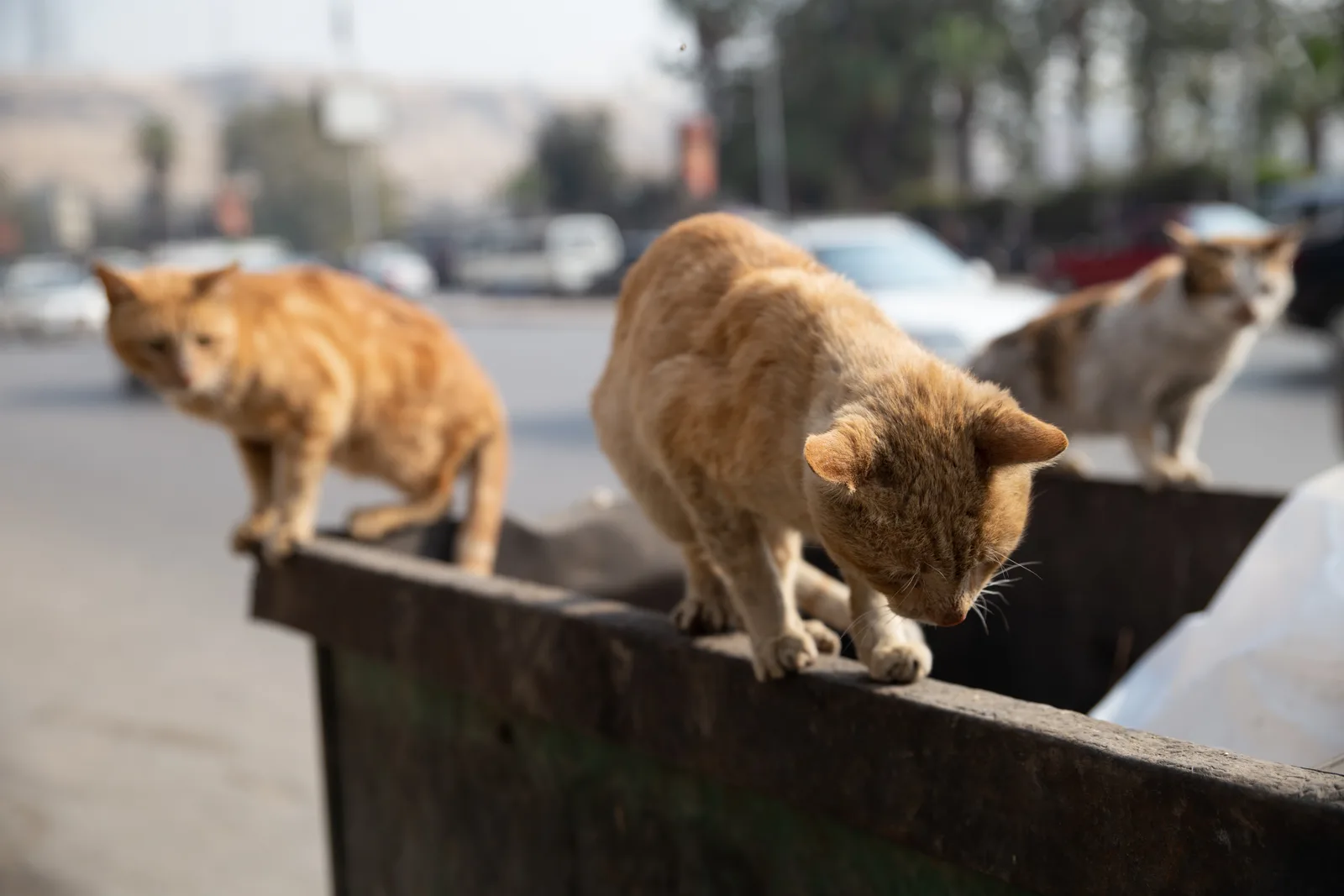
«Keda ghalat» («Esto está mal»): maltratar a un animal es un delito según el Código Penal egipcio desde 1937
Un vecino coloca platos envenenados junto al muro de la escuela; un carretero golpea a su burro en la cara bajo una carga excesiva. Muchos creen que «es solo un animal» y que ninguna ley lo protege. En realidad, los artículos 355, 356 y 357 del Código Penal castigan matar, envenenar y maltratar animales, con penas de hasta prisión. En vísperas del Día Mundial de los Animales, explicamos qué dice la ley.
3 de octubre de 2026 · 6 min de lectura