Las altas montañas del Sinaí: Santa Catalina, un monasterio milenario y senderos guiados por beduinos
Por encima de los complejos costeros del Sinaí se alza el terreno más alto de Egipto: el monte Moisés y el monte Catalina, un monasterio del siglo VI que jamás ha cerrado sus puertas, huertos beduinos en los altos valles y el Sendero del Sinaí, una ruta de senderismo de larga distancia creada y guiada por las propias tribus beduinas.
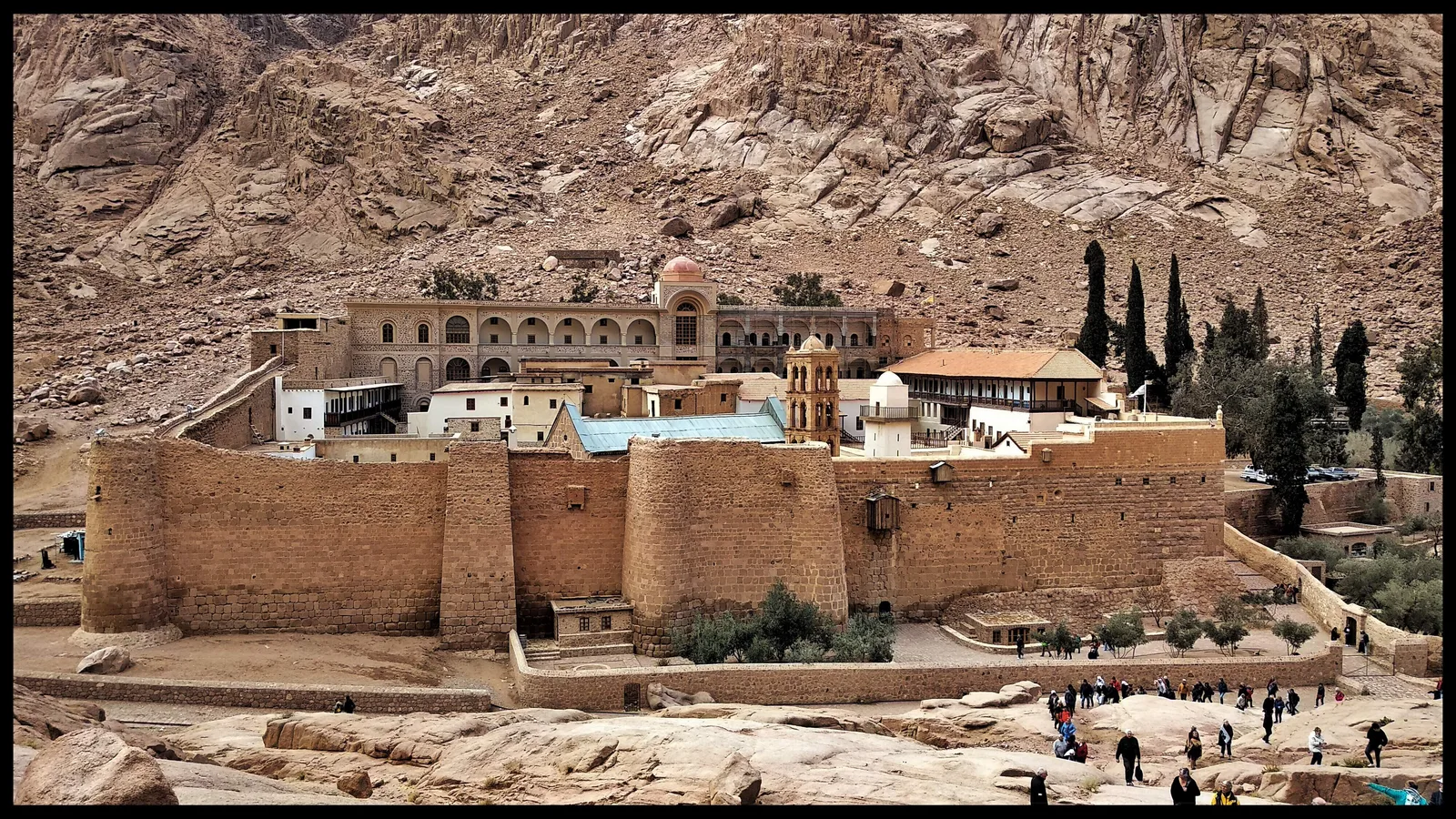
La mayoría de las imágenes del Sinaí muestran su costa: los complejos turísticos de Sharm el Sheij y Dahab, los pantalanes de buceo, los cafés de playa. Pero el interior de la península cuenta otra historia. En su corazón meridional, un nudo de montañas de granito oscuro se alza hasta el techo de Egipto y, a unos 1.600 metros sobre el nivel del mar, se asienta la pequeña localidad de Santa Catalina, base de peregrinos, senderistas y viajeros atraídos por uno de los lugares religiosos habitados de forma continua más antiguos de la Tierra.
Las cifras dibujan el escenario. El Yebel Musa, la cumbre que una larga tradición identifica con el monte Sinaí de las Escrituras, se eleva unos 2.285 metros. Su vecino, el monte Santa Catalina, alcanza unos 2.642 metros: el punto más alto de todo Egipto. Aquí el invierno es realmente frío y la nieve cubre a veces las cimas, una estampa que sorprende a quienes solo asocian Egipto con el calor del desierto. La primavera y el otoño traen los días templados y las noches frías y estrelladas que más aprecian los caminantes.
Al pie del Yebel Musa se levanta el monasterio de Santa Catalina. Sus muros fortificados se construyeron en el siglo VI por orden del emperador bizantino Justiniano, para rodear un lugar que la tradición cristiana llevaba mucho tiempo vinculando con la zarza ardiente del relato de Moisés. La fortaleza de granito se concibió para proteger a los monjes de una frontera remota, y lo logró de forma extraordinaria: el monasterio ha funcionado sin interrupción desde entonces, lo que lo convierte en uno de los monasterios cristianos en activo más antiguos del mundo.
Esa historia ininterrumpida ha dejado un legado sin parangón. La biblioteca del monasterio, descrita a menudo como una de las más antiguas del mundo en funcionamiento continuo, conserva miles de manuscritos en griego, árabe, siríaco, georgiano y otras lenguas. Fue aquí donde los estudiosos identificaron en el siglo XIX el Códice Sinaítico, un manuscrito del siglo IV que figura entre las copias completas más antiguas de la Biblia cristiana; la mayor parte de sus hojas conservadas se custodia hoy en el extranjero, sobre todo en la British Library. En 2002, la Unesco inscribió la zona de Santa Catalina en la Lista del Patrimonio Mundial.
La montaña es tierra sagrada para más de una religión. Dentro de los muros del monasterio se alza una mezquita, y los monjes conservan una tradición documental —el Ashtiname, un pacto de protección atribuido al profeta Mahoma— que la comunidad ha invocado a lo largo de siglos de gobernantes cambiantes. Judíos, cristianos y musulmanes han subido estas laderas durante siglos, y la historia de la zona se cuenta a menudo como ejemplo de una larga convivencia en una tierra dura.
El ascenso al Yebel Musa sigue siendo la experiencia clásica. Dos rutas llevan a la cima: el largo camino de los camellos, ancho y de pendiente suave, y la «escalera del Arrepentimiento», una escalinata de unos 3.750 peldaños de piedra que la tradición atribuye a la mano de un solo monje. La mayoría de los visitantes parte de noche para llegar arriba al amanecer, cuando las cordilleras de granito del entorno pasan del negro al rojo y luego al dorado. Una pequeña capilla y una mezquita comparten la cumbre, y el descenso a plena luz revela la magnitud de lo que se subió con linternas.
Nada de esto funcionaría sin los yebeliya, la tribu beduina cuya historia se entrelaza con la del monasterio. La tradición sostiene que sus antepasados fueron enviados hace siglos a servirlo y protegerlo, y desde entonces la tribu vive en torno a Santa Catalina, cuidando huertos de montaña amurallados de almendros, olivos y frutales en los valles altos. Hoy el trabajo de guía es un pilar de la economía local, y se espera que los visitantes que recorren las altas montañas vayan acompañados de guías beduinos locales: una norma que protege a la vez la seguridad de los caminantes y el sustento de los vecinos.
La expresión más ambiciosa de esa tradición de guías es el «Sendero del Sinaí», puesto en marcha en 2015 como ruta de larga distancia creada y gestionada por una cooperativa de tribus beduinas. El trazado original unía la costa del golfo de Áqaba con las tierras altas de Santa Catalina en unos doce días de marcha; después el proyecto se amplió hasta formar una red mucho más extensa que atraviesa los territorios de varias tribus, y cada una guía a los viajeros por sus propias tierras. Se le describe ampliamente como el primer sendero de gran recorrido de Egipto.
Las propias montañas son un espacio protegido. La reserva natural de Santa Catalina abarca un ecosistema de alta montaña sin igual en Egipto, donde sobreviven plantas relictas de épocas más antiguas en cumbres que captan la humedad del invierno. Aquí resisten especies endémicas, entre ellas la mariposa «azul del Sinaí», considerada una de las más pequeñas del mundo y dependiente del tomillo local del Sinaí. Huertos, íbices y canales de agua centenarios comparten los valles, y aquí la conservación es inseparable de los huertos beduinos que dieron forma a este paisaje.
Para el viajero, el consejo práctico es sencillo. Ven en primavera o en otoño, cuando el clima es más benigno, y prepárate en serio para el frío nocturno si vas a dormir en la montaña. Viste con recato en el monasterio y consulta su horario de visitas, limitado y sujeto al calendario monástico. Contrata guías locales, llévate de vuelta tu basura y camina con delicadeza: estas montañas no son un telón de fondo para fotos, sino una comunidad viva de monjes y beduinos que llevan unos catorce siglos guardando el pacto con esta tierra, y que hoy dan la bienvenida a quien la trate con ese mismo respeto.
Noticias relacionadas
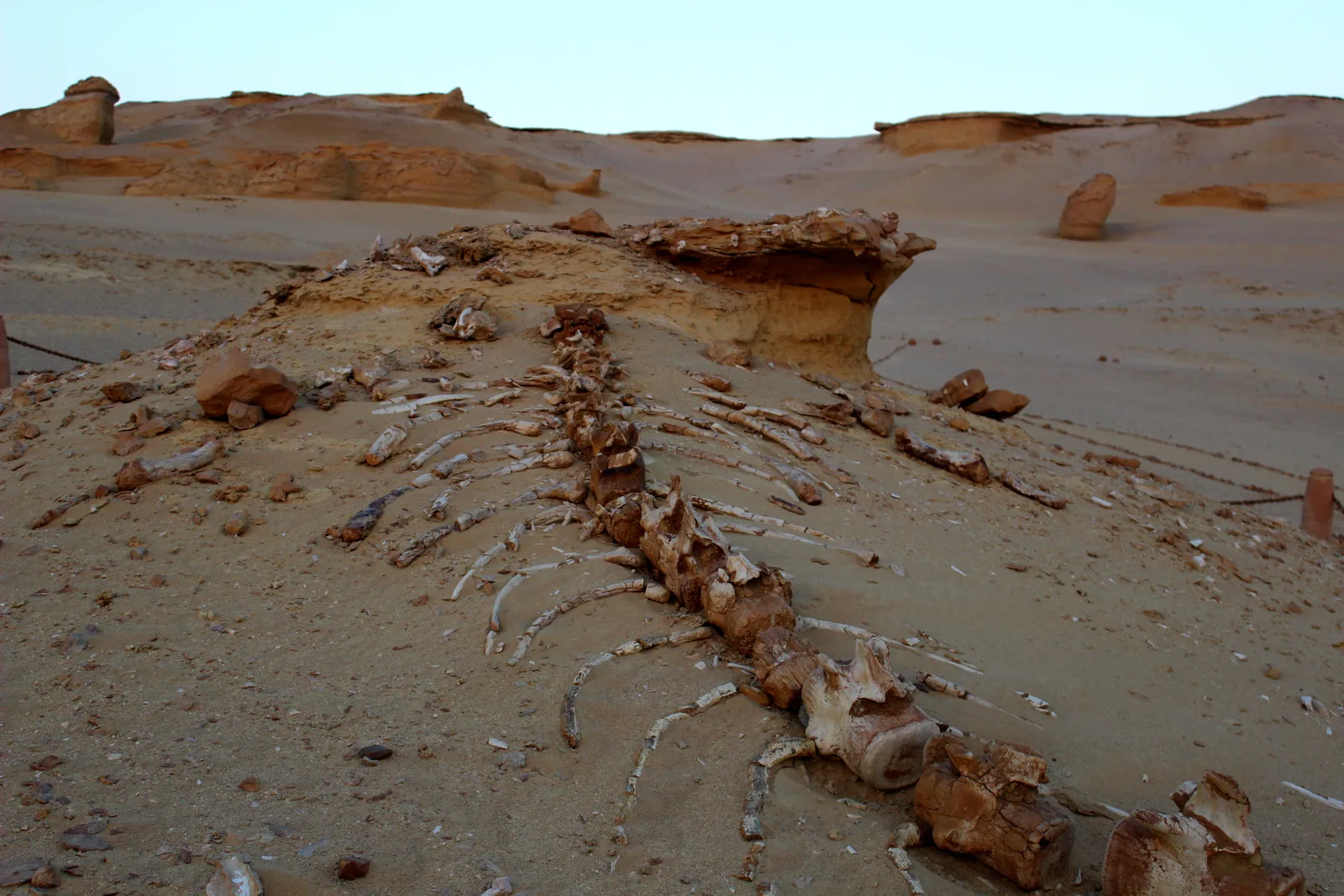
Wadi el-Hitan, cuando el Fayum era un mar: una excursión desde El Cairo a un fondo marino de 40 millones de años
A unas tres horas del tráfico de El Cairo, una familia egipcia se detiene ante un esqueleto de ballena con patas traseras, de 40 millones de años, en un desierto que antaño fue fondo marino. ¿Por qué eligió la UNESCO Wadi el-Hitan como el primer sitio natural egipcio del Patrimonio Mundial? ¿Y cómo combinar en un solo día los fósiles, las cascadas de Wadi el-Rayan y la cerámica de Tunis? Una guía práctica para un viaje sin visado.
24 de septiembre de 2026 · 7 min de lectura
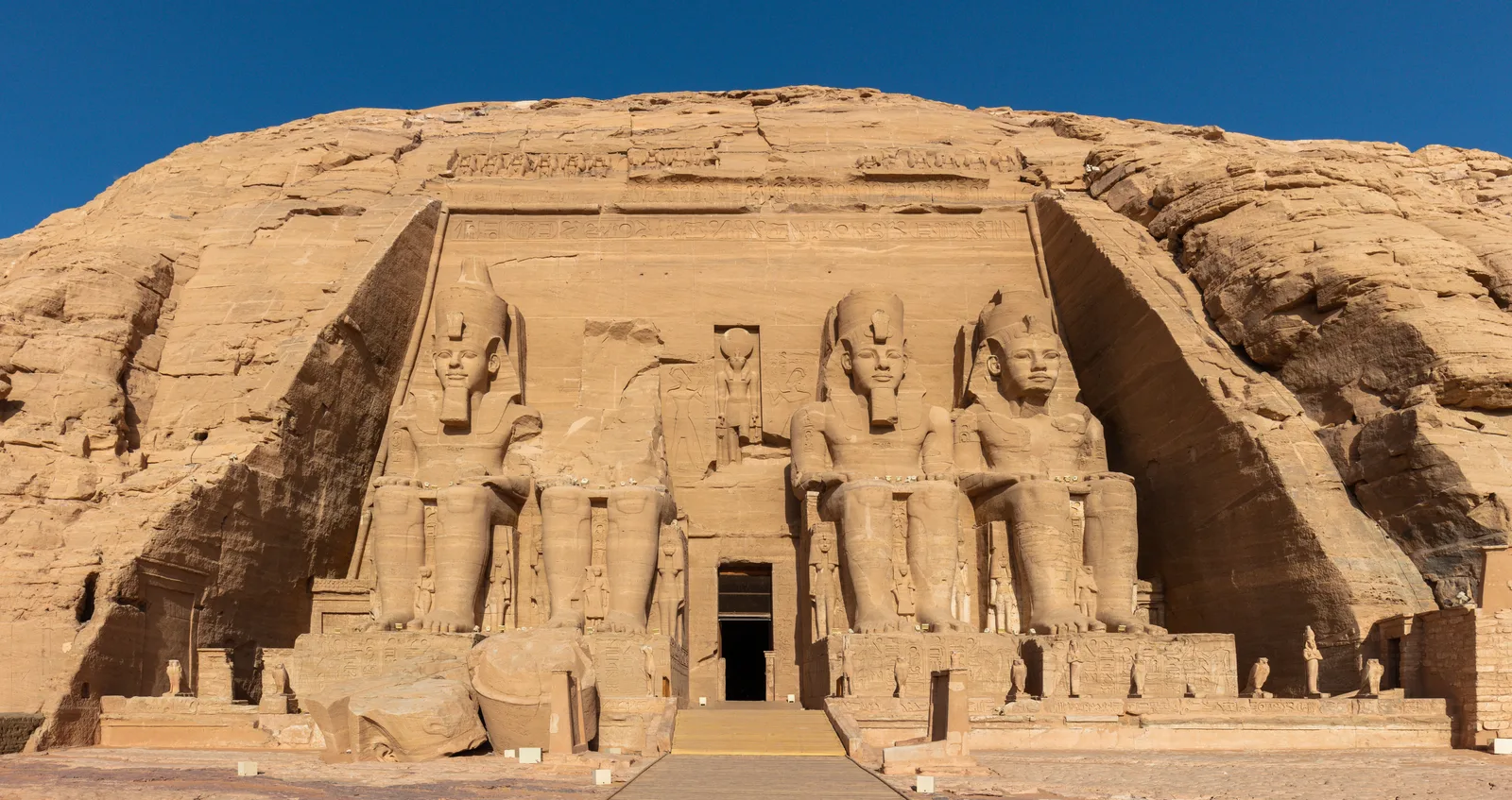
Abu Simbel: el templo que la humanidad elevó 65 metros para que no se hundiera, y al que el sol vuelve el 22 de octubre
Poco antes del amanecer del 22 de octubre, la gente aguarda en la oscuridad de la gran sala a que un hilo de luz atraviese unos sesenta metros de roca y caiga sobre el rostro de Ramsés. Detrás de ese instante hay una campaña internacional de veinte años que levantó el templo, bloque a bloque, por encima de las aguas del lago Nasser. Esta es su guía para entender el espectáculo y planear el viaje a Asuán con un mes de antelación.
20 de septiembre de 2026 · 7 min de lectura
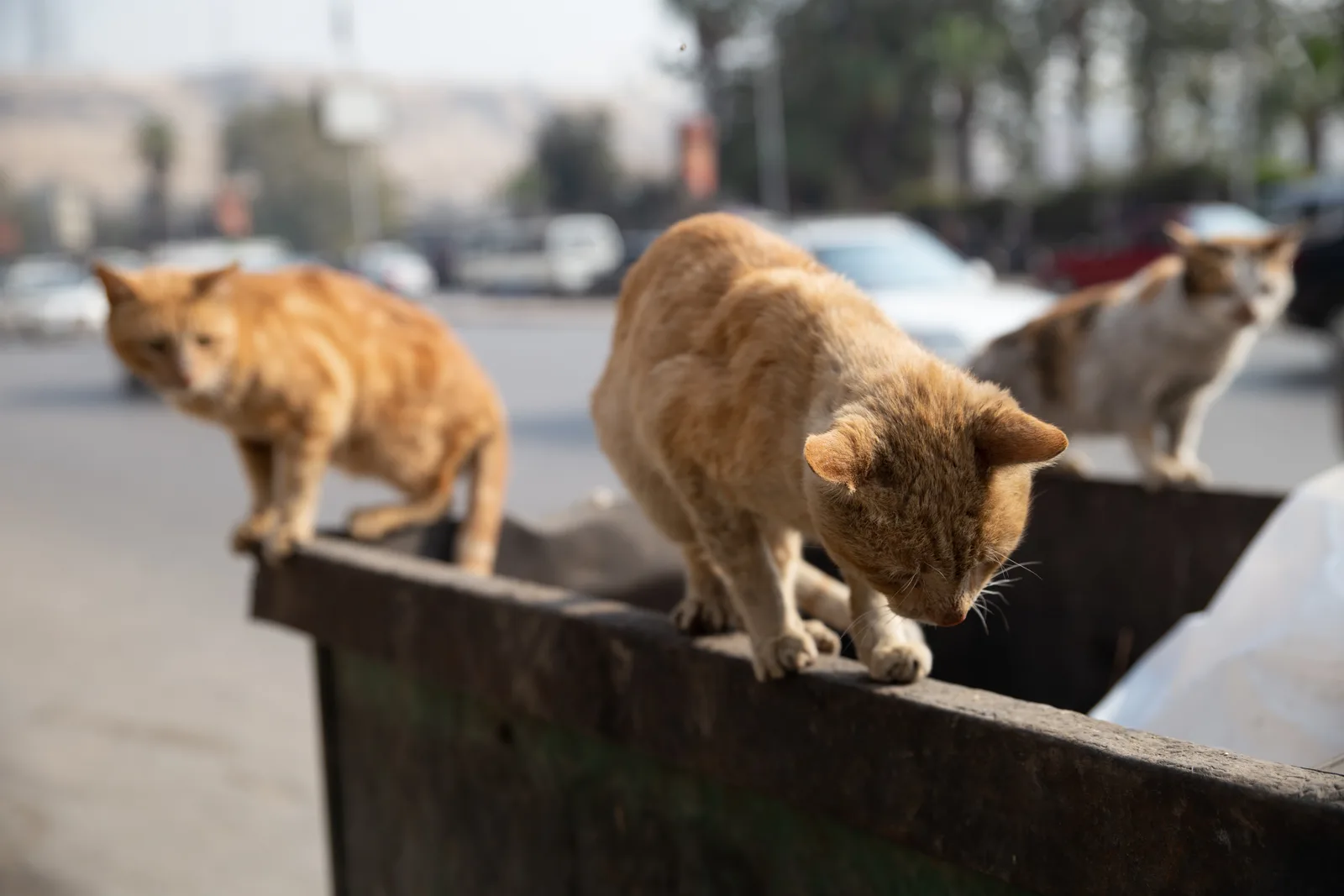
«Keda ghalat» («Esto está mal»): maltratar a un animal es un delito según el Código Penal egipcio desde 1937
Un vecino coloca platos envenenados junto al muro de la escuela; un carretero golpea a su burro en la cara bajo una carga excesiva. Muchos creen que «es solo un animal» y que ninguna ley lo protege. En realidad, los artículos 355, 356 y 357 del Código Penal castigan matar, envenenar y maltratar animales, con penas de hasta prisión. En vísperas del Día Mundial de los Animales, explicamos qué dice la ley.
3 de octubre de 2026 · 6 min de lectura