«Soy libre»: la libertad que termina en los pulmones de tu vecino
En el ascensor, en la oficina, en el café cerrado, en el microbús: enciende su cigarrillo en medio de la gente y, si alguien protesta, llega la respuesta de siempre: «soy libre». Pero el tabaquismo pasivo no es una opinión que merezca respeto, sino un daño documentado que respiran un niño, un alérgico o una embarazada que nunca lo eligieron. Y la ley egipcia lo prohíbe desde hace años. Esto está mal.
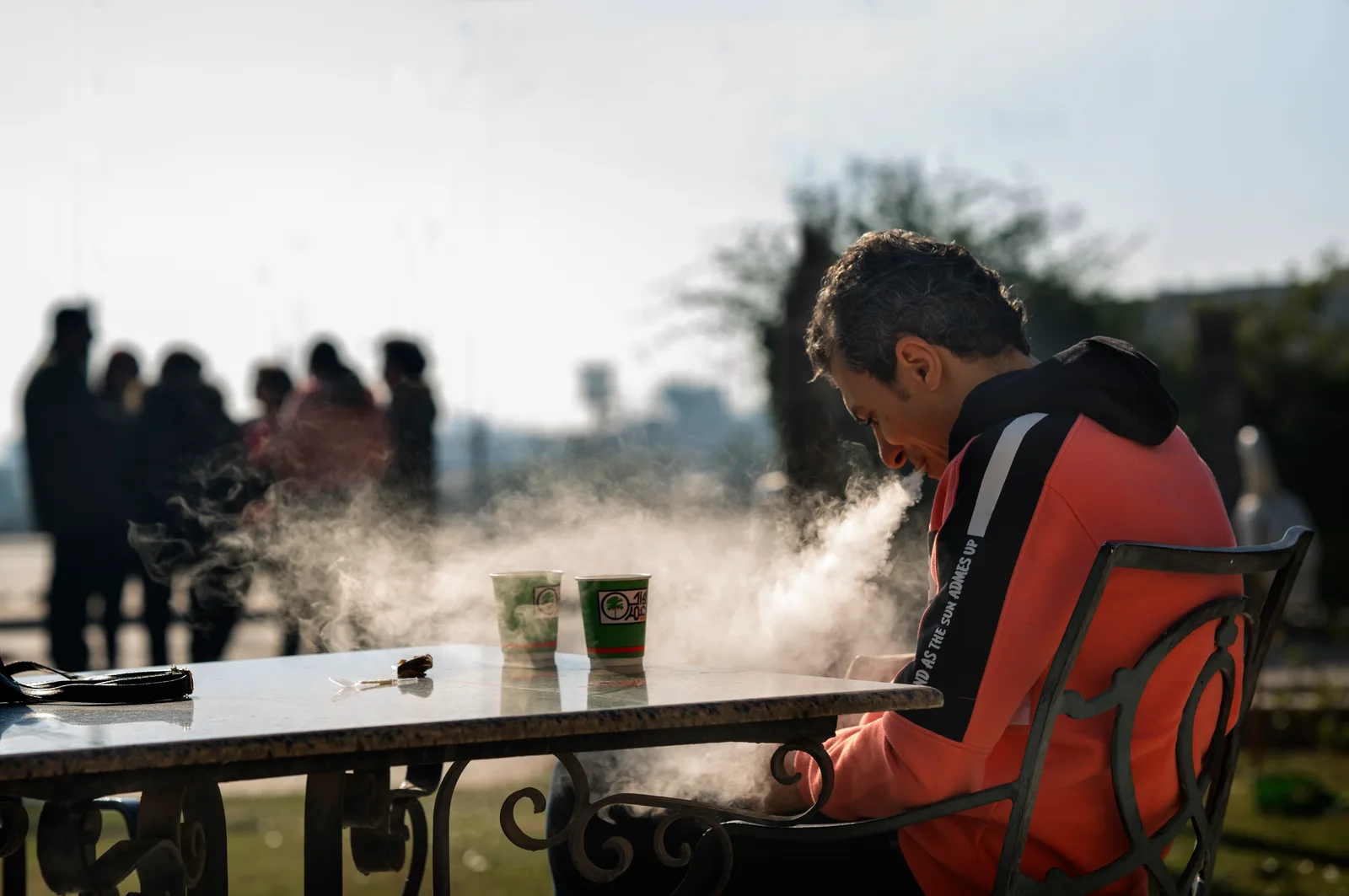
La escena se repite en casi todos los espacios cerrados: un ascensor estrecho, una oficina pública, un café con las ventanas cerradas, un microbús atestado, la sala de espera de una clínica. Alguien saca un cigarrillo y lo enciende en medio de la gente con la misma naturalidad con que lo encendería solo en pleno desierto. Y si alguien se atreve a protestar, llega la respuesta aprendida de memoria: «Soy libre».
Tomemos esa frase en serio por un momento, porque encierra una falacia que merece desmontarse. Sí, eres libre de fumar; nadie te está pidiendo aquí que lo dejes. Pero el humo que sale de tu cigarrillo no se queda dentro de los límites de tu cuerpo: entra en los pulmones de todos los presentes sin pedir permiso. Y tu libertad, por definición, termina donde empieza el cuerpo del otro. Quien fuma en un lugar cerrado no ejerce su libertad; confisca la libertad de los demás a respirar aire limpio.
El daño no es aquí una cuestión de gusto ni una molestia por el olor. El humo ajeno es un perjuicio sanitario documentado sin lugar a discusión: la Organización Mundial de la Salud sostiene desde hace años que no existe un nivel seguro de exposición al humo del tabaco y que ese humo se asocia a enfermedades cardíacas, dolencias respiratorias y cánceres en los propios no fumadores. El humo con el que te «liberaste» en el café sigue trabajando en el pecho de los demás mucho después de que te hayas ido.
Y piensa en quienes ni siquiera tienen el lujo de protestar. El alérgico o el asmático, a quien puede bastarle un solo rato en una sala llena de humo para que el día se le convierta en una crisis respiratoria. El niño que ha venido con su padre y que aún no sabe que tiene derecho a un aire limpio. La embarazada, que lleva consigo un segundo par de pulmones diminutos que respiran todo lo que hay en el ambiente. Y el propio empleado del café, que pasa cada día un turno entero dentro de esa nube porque de ahí sale su sustento, y que no se atreve a pedirle a un cliente que apague el cigarrillo.
Y aquí llegamos al hecho que vuelve aún más frágil la frase «soy libre»: la ley egipcia zanjó esta cuestión hace años. La Ley 52 de 1981, de prevención de los daños del tabaquismo, tras su modificación por la Ley 154 de 2007, prohíbe fumar en los lugares públicos cerrados e impone una multa al infractor. Es decir, quien enciende un cigarrillo en un espacio cerrado no ejerce una libertad: comete una infracción legal expresa, además de una falta moral.
Pero en esta sección ponemos deliberadamente la ética por delante de la ley, porque el problema real no es la falta de norma, sino la falta de escrúpulo. Lo que el fumador necesita no es tanto una multa como un momento de sinceridad consigo mismo: cuando echas el humo en la cara de quien no fuma, no estás ejerciendo un derecho; estás imponiendo al cuerpo de otra persona algo que ha rechazado. Eso es ofensa, provocación y daño, en el sentido literal de las tres palabras.
Y seamos justos también con muchos fumadores: los hay que piden permiso antes de encender, que salen por su cuenta al balcón o a la calle sin que nadie se lo diga, que apagan el cigarrillo en cuanto ven a un niño o saben que hay un enfermo en el local. Ellos demuestran cada día que fumar es una cosa y la falta de consideración otra muy distinta, y que esta batalla no es contra el fumador, sino contra la indiferencia hacia los demás.
¿Qué se le pide al ciudadano? Al fumador: que respete una regla sencilla, la de que un espacio cerrado y compartido no es lugar para fumar, por muchas ganas que tengas, y sin que nadie tenga que pedírtelo. Y al no fumador: que proteste con educación y firmeza en lugar del silencio complaciente que paga con su salud; una frase tranquila como «perdona, el local está cerrado y aquí hay quien se ve afectado» no es una grosería, sino el ejercicio de un derecho.
¿Y qué se les pide a los dueños de comercios, cafés y oficinas? Que entiendan que la ley los hace responsables de sus locales. El cartel de prohibido fumar no es un adorno: es una obligación que hay que hacer cumplir a todos los clientes, sin favoritismos. Y el café que la aplica no pierde clientela, como algunos imaginan, sino que gana a todo un público que antes lo evitaba.
¿Y qué se le pide al Estado? Que traslade del papel a la realidad una ley que tiene ya décadas: activar las multas en los establecimientos públicos y privados, exigir responsabilidades al local negligente y no solo al fumador individual, y realizar campañas de inspección anunciadas que devuelvan al cartel de «prohibido fumar» la autoridad perdida.
«Soy libre» es una frase hermosa en su lugar adecuado. Pero cuando se pronuncia mientras el humo de tu cigarrillo llena el pecho de un niño o de un enfermo en un espacio cerrado, se convierte exactamente en su contrario: en la declaración de que tu comodidad está por encima de la salud de todos. A quien la dice en ese lugar le respondemos con calma y claridad: no, así no está bien.
Noticias relacionadas
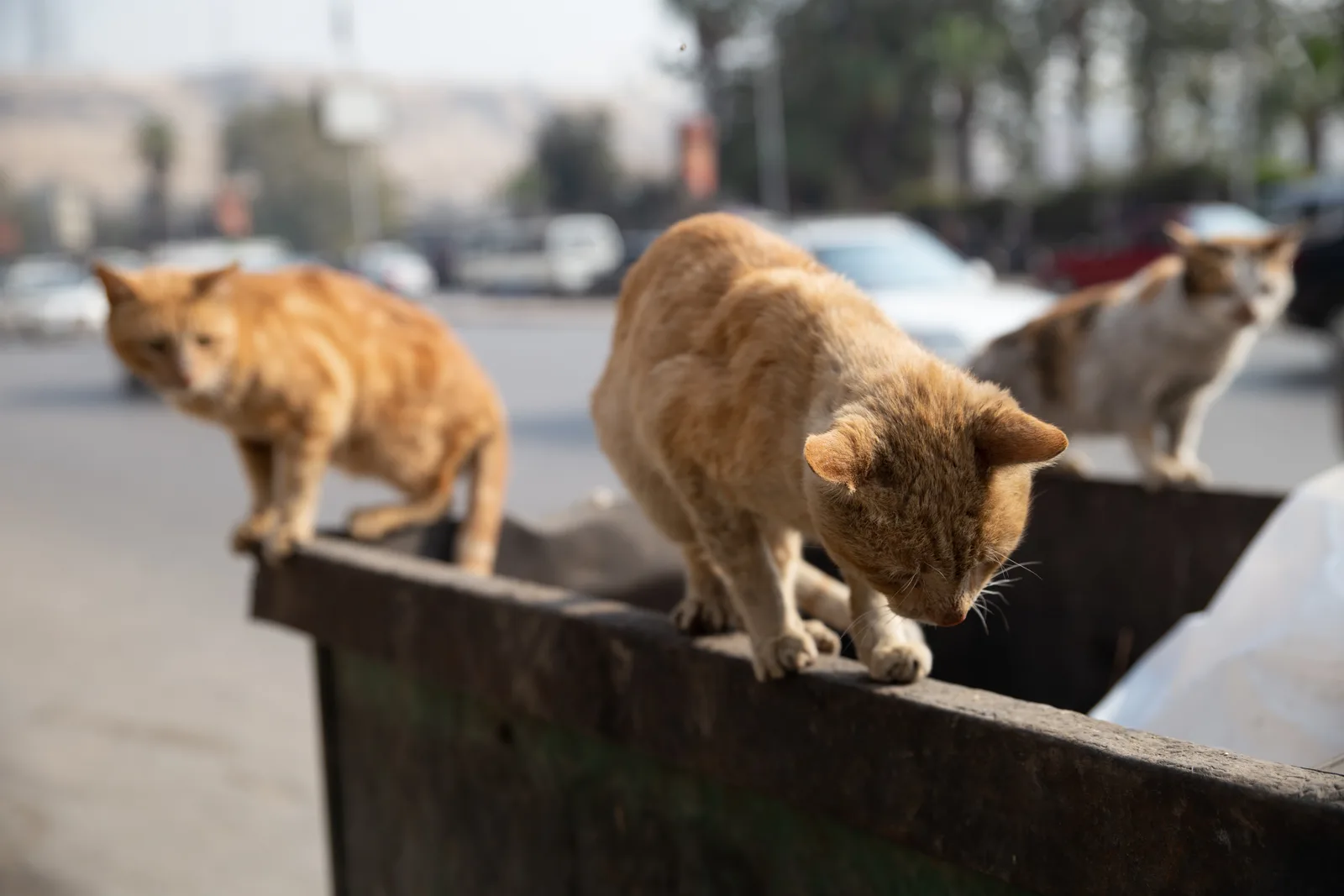
«Keda ghalat» («Esto está mal»): maltratar a un animal es un delito según el Código Penal egipcio desde 1937
Un vecino coloca platos envenenados junto al muro de la escuela; un carretero golpea a su burro en la cara bajo una carga excesiva. Muchos creen que «es solo un animal» y que ninguna ley lo protege. En realidad, los artículos 355, 356 y 357 del Código Penal castigan matar, envenenar y maltratar animales, con penas de hasta prisión. En vísperas del Día Mundial de los Animales, explicamos qué dice la ley.
3 de octubre de 2026 · 6 min de lectura
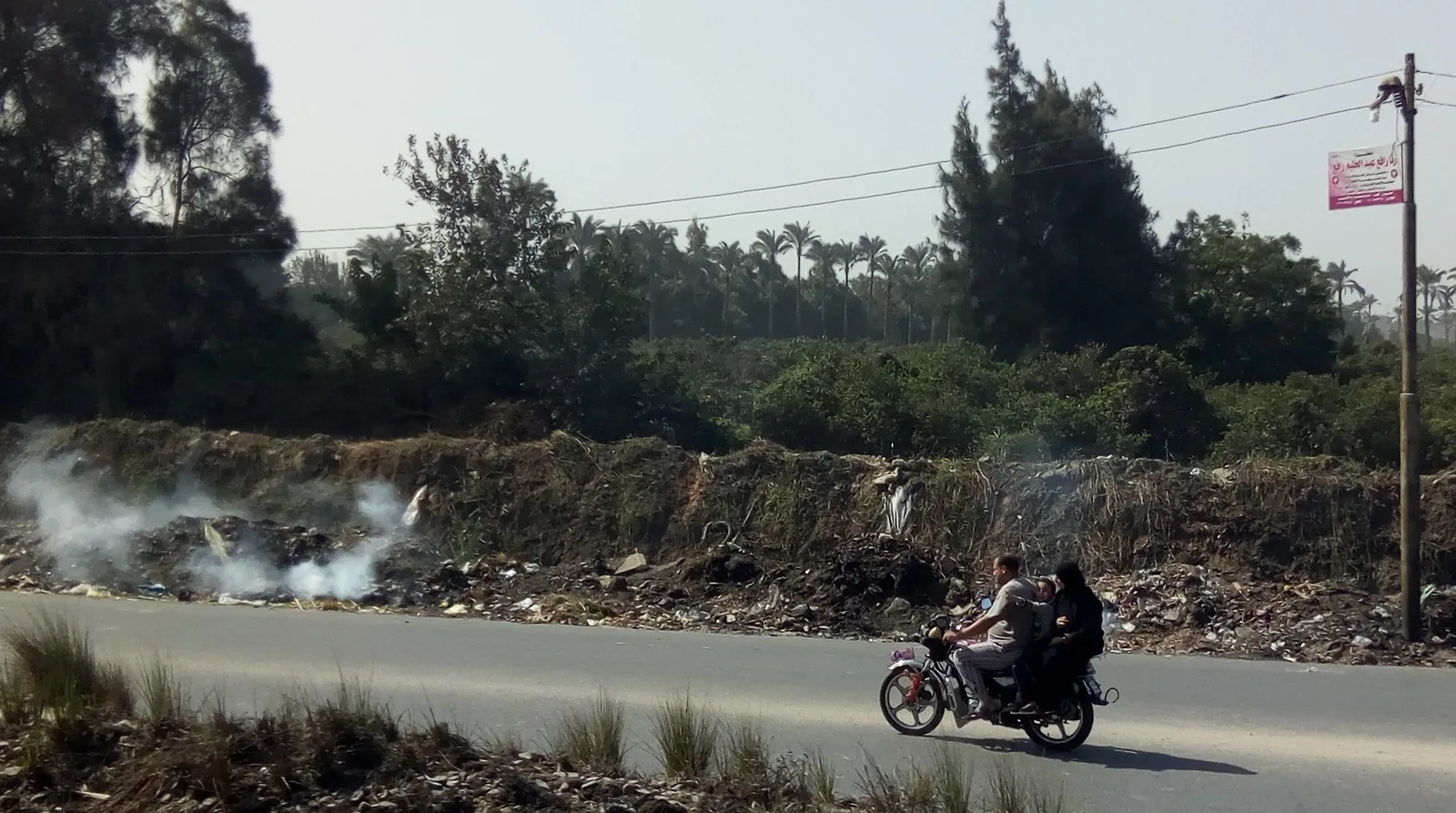
Cuatro en una moto y sin casco: la cabeza descubierta es lo más caro que una familia puede perder en la carretera
En la segunda semana de clases se repite la misma escena: un padre al manillar, un niño delante, otro detrás, la madre con las mochilas, y ni un solo casco. La prensa, citando a la CAPMAS, señala un salto en las muertes de 190 a 897 entre 2020 y 2024, mientras Cochrane muestra que el casco solo reduce el riesgo de muerte un 42%. La ley castiga la cabeza descubierta desde 1999, multa elevada en 2008. ¿Por qué no cumplimos?
23 de septiembre de 2026 · 8 min de lectura
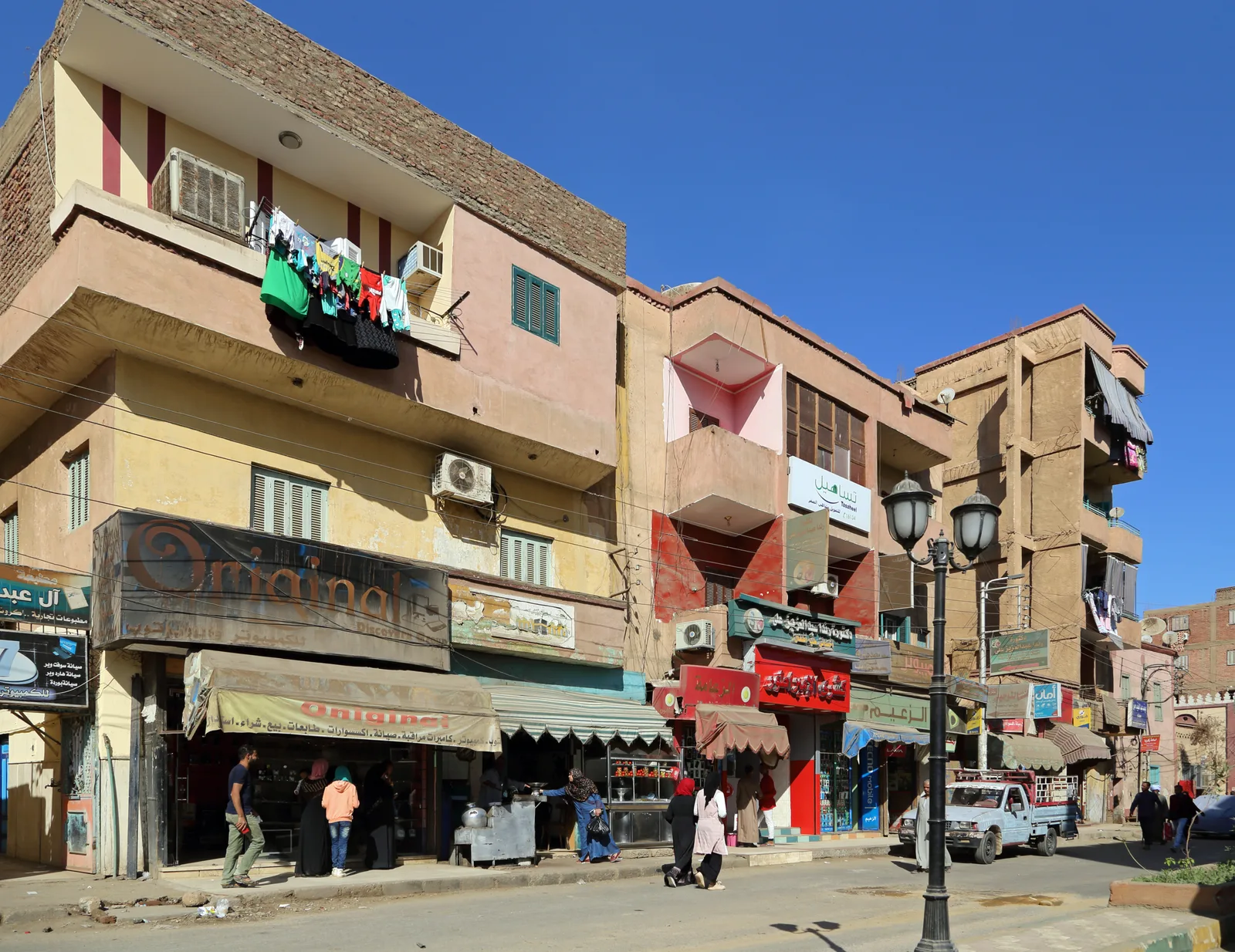
«Un enganche al cable» no es viveza: el robo de electricidad es un delito que paga todo el barrio
Un cable pelado que cuelga de un poste hasta un balcón, un aire acondicionado con un contador inmóvil, y un fusible que salta por tercera vez, dejando a oscuras al vecino que sí paga su factura. El artículo 71 de la Ley de Electricidad llama a esto apropiación indebida de corriente, castigada con prisión y multa, mientras una reforma más dura espera a la Cámara. ¿Qué pierde toda una calle por un enganche? ¿Cuál es la alternativa correcta?
14 de septiembre de 2026 · 7 min de lectura