Una bomba sobre ruedas: la velocidad en coches destartalados es un desprecio a la vida de la gente
Frenos que funcionan a medias, neumáticos lisos, luces fundidas, y un conductor que vuela por la carretera como si el coche acabara de salir de fábrica. Un coche destartalado lanzado a toda velocidad no es un medio de transporte, sino un peligro rodante que amenaza a cada familia en la vía. Esto está mal: tu libertad al volante termina donde empieza el derecho de los demás a llegar vivos a casa.
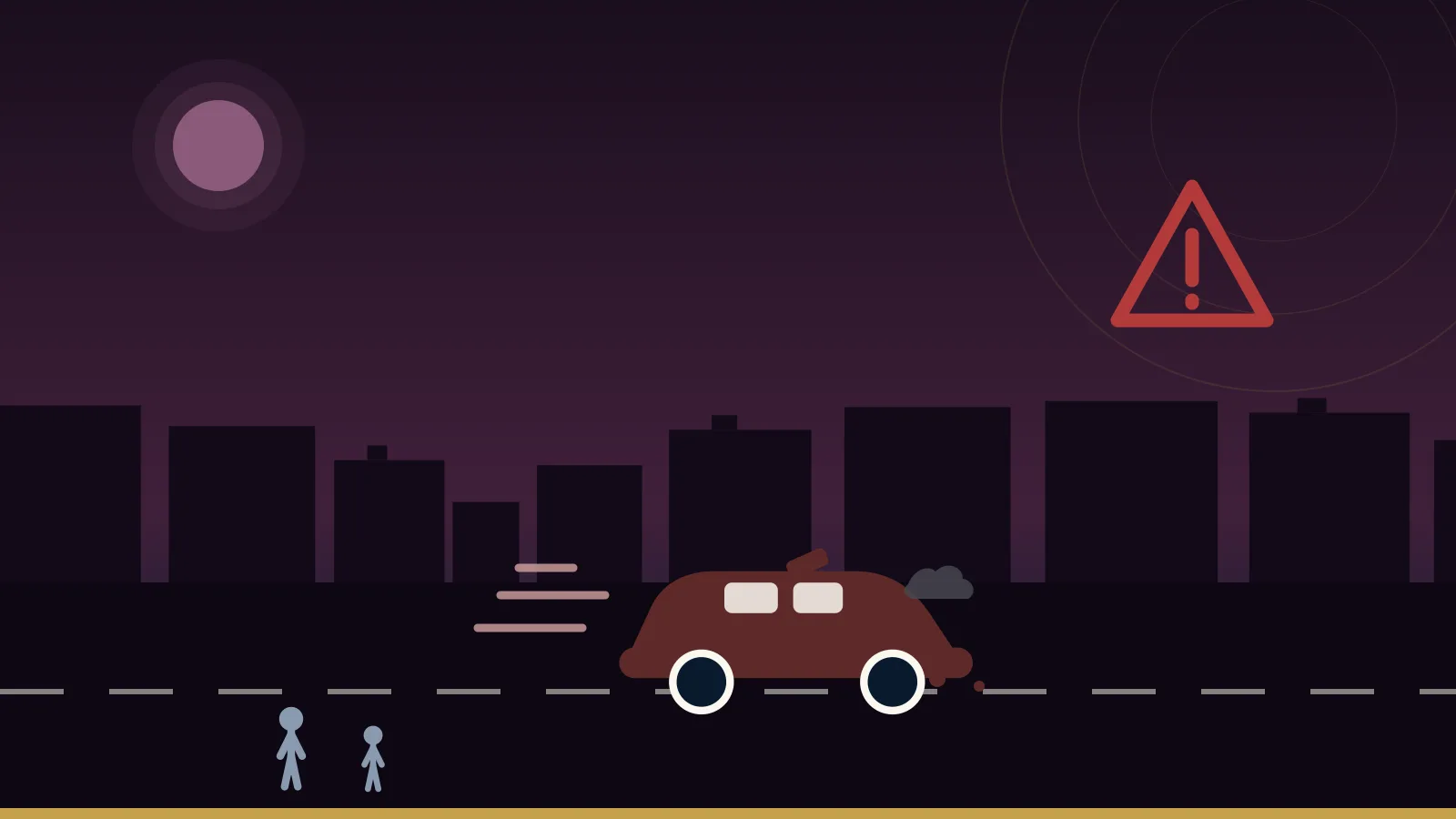
Todos la hemos visto, en las autopistas y dentro de las ciudades: un coche al que el óxido le ha comido la carrocería, que se bambolea al adelantar, con una luz trasera rota y la otra apagada, humo negro saliendo del tubo de escape y neumáticos con el dibujo borrado de tanto uso. Lo aterrador no es su estado, porque puede que su dueño tenga la excusa de la estrechez económica; lo aterrador es que devora el asfalto a una velocidad de locura, adelantando por la derecha y por la izquierda, como si su conductor pilotara un coche de carreras y no un armazón que se cae a pedazos.
Digámoslo con claridad: conducir a gran velocidad un vehículo técnicamente no apto no es habilidad ni necesidad, sino una agresión moral contra todos los que comparten la carretera contigo. Unos frenos que necesitan dos pisadas para responder, un neumático liso que patina con la primera humedad, una dirección con holgura: no son detalles técnicos, son la distancia que separa un susto pasajero de una catástrofe que destroza familias enteras.
Imagina la escena que no le deseamos a nadie: una carretera colapsada en hora punta, un microbús destartalado que se lanza a adelantar y de pronto se topa con un coche que frena delante. El conductor del coche en buen estado pisa el freno y el coche responde; el destartalado responde tarde, o no responde. En esos segundos el precio no lo paga solo el dueño del vehículo, sino la familia del coche de al lado, el obrero al borde de la carretera y un pasajero cuya única culpa fue subirse al vehículo equivocado.
Y aquí hay que detenerse ante una paradoja dolorosa: muchos de estos vehículos se dedican precisamente al transporte de personas, microbuses y taxis cuya vida útil caducó hace años. Es decir, la víctima potencial paga el billete de su propio viaje hacia el peligro, sin el lujo de poder elegir en zonas donde no hay alternativa. Eso multiplica la responsabilidad moral del propietario y del conductor, y la multiplica todavía más en las administraciones que se supone que inspeccionaron el vehículo y le dieron licencia.
Sobre el papel, la ley no está ausente. La ley de tráfico egipcia exige la inspección técnica como condición para matricular el vehículo y renovar su permiso, y castiga tanto conducir un vehículo no apto como rebasar los límites de velocidad. ¿Cómo circulan entonces entre nosotros vehículos que cualquier transeúnte ve a simple vista que no están en condiciones? La respuesta, lamentable, la conoce todo el mundo: una inspección que a veces se convierte en un mero trámite y un conductor que apuesta a que nadie lo va a parar.
Pero antes de descargar todo el peso sobre la vigilancia, mirémonos a nosotros mismos: quien conduce un coche sabiendo que tiene los frenos flojos y aun así corre con él no necesita un control de tráfico para saber que se equivoca. Lo sabe. Simplemente apuesta cada día a su suerte, y el problema es que lo que pone en juego no es solo su vida, sino la de gente que nunca aceptó entrar en esa apuesta.
Y lo diremos sin rodeos, igual que se lo decimos al dueño del coche de lujo que tira la basura por la ventanilla: la pobreza no es una acusación y la estrechez no es una vergüenza, pero la velocidad temeraria en un coche destartalado no es un destino impuesto a nadie. Puedes conducir ese mismo coche despacio y con cuidado hasta que puedas repararlo: ir despacio en un vehículo débil es una humildad digna; ir deprisa con él es una soberbia mortal.
Lo que se le pide al conductor y al propietario: sé sincero contigo mismo sobre el estado de tu coche y repara antes que nada lo que afecta a la seguridad, porque los frenos, los neumáticos y las luces no son un capricho. Y si todavía no puedes repararlo, conduce al menos a una velocidad que respete el estado de tu vehículo. Quien se gana la vida transportando pasajeros tiene una responsabilidad doble, porque quienes le pagan el billete le han confiado sus vidas.
Lo que se le pide al Estado: una inspección técnica de verdad y no un sello de trámite; una vigilancia en las carreteras que apunte primero a los vehículos visiblemente ruinosos, antes de que ocurran los accidentes y no después; y programas reales de ayuda para sustituir los vehículos envejecidos, sobre todo los que trabajan en el transporte colectivo, para que el conductor pobre no tenga nunca como única salida jugarse la vida de la gente.
La carretera es un bien común, y los más débiles de quienes la usan, los peatones, los niños y los pasajeros del transporte público, merecen que los más fuertes sean también los más prudentes. Un coche destartalado que va despacio lo entendemos, y a su dueño lo respetamos; un coche destartalado que vuela por la carretera es una bomba con ruedas. Eso está mal, y la vida de la gente no es el campo de pruebas de la suerte de nadie.
Noticias relacionadas

«Keda ghalat» («Esto está mal»): maltratar a un animal es un delito según el Código Penal egipcio desde 1937
Un vecino coloca platos envenenados junto al muro de la escuela; un carretero golpea a su burro en la cara bajo una carga excesiva. Muchos creen que «es solo un animal» y que ninguna ley lo protege. En realidad, los artículos 355, 356 y 357 del Código Penal castigan matar, envenenar y maltratar animales, con penas de hasta prisión. En vísperas del Día Mundial de los Animales, explicamos qué dice la ley.
3 de octubre de 2026 · 6 min de lectura
Cuatro en una moto y sin casco: la cabeza descubierta es lo más caro que una familia puede perder en la carretera
En la segunda semana de clases se repite la misma escena: un padre al manillar, un niño delante, otro detrás, la madre con las mochilas, y ni un solo casco. La prensa, citando a la CAPMAS, señala un salto en las muertes de 190 a 897 entre 2020 y 2024, mientras Cochrane muestra que el casco solo reduce el riesgo de muerte un 42%. La ley castiga la cabeza descubierta desde 1999, multa elevada en 2008. ¿Por qué no cumplimos?
23 de septiembre de 2026 · 8 min de lectura

«Un enganche al cable» no es viveza: el robo de electricidad es un delito que paga todo el barrio
Un cable pelado que cuelga de un poste hasta un balcón, un aire acondicionado con un contador inmóvil, y un fusible que salta por tercera vez, dejando a oscuras al vecino que sí paga su factura. El artículo 71 de la Ley de Electricidad llama a esto apropiación indebida de corriente, castigada con prisión y multa, mientras una reforma más dura espera a la Cámara. ¿Qué pierde toda una calle por un enganche? ¿Cuál es la alternativa correcta?
14 de septiembre de 2026 · 7 min de lectura