El canal de Suez: el paso egipcio en el corazón del comercio mundial
Una estrecha cinta de agua de 193 kilómetros por la que transita cerca de una décima parte del comercio marítimo mundial. De la excavación de 1869 a la nacionalización de 1956, la ampliación de 2015 y el encallamiento del Ever Given: esta es la historia del corredor que hace de Egipto un nodo imprescindible en las arterias de la economía global.
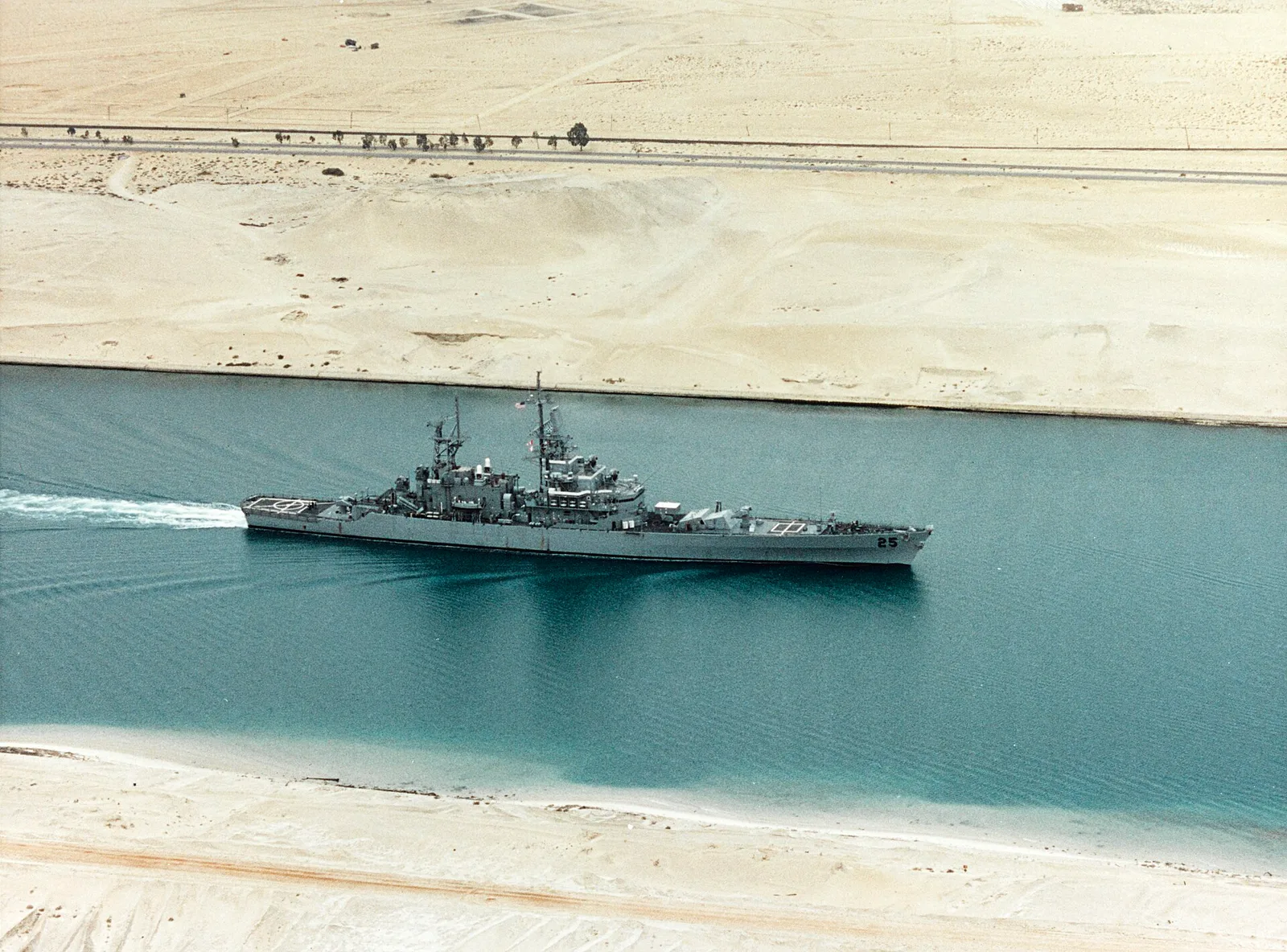
En el mapa no es más que una fina línea azul que atraviesa el desierto a lo largo de unos 193 kilómetros, pero en la economía mundial es uno de los atajos más importantes que ha excavado el ser humano: el canal de Suez une el Mediterráneo con el mar Rojo y ahorra a los buques el largo rodeo por África, y por él pasa lo que las fuentes suelen estimar en torno a una décima parte del comercio mundial transportado por vía marítima, o más. Para Egipto es al mismo tiempo un activo estratégico, una de las principales fuentes de divisas y un símbolo de soberanía nacional.
El canal se inauguró en 1869, tras cerca de diez años de excavación dirigidos por el francés Ferdinand de Lesseps, cuya carga más pesada recayó sobre los brazos de decenas de miles de obreros egipcios que trabajaron en condiciones durísimas. El mundo celebró su apertura en uno de los mayores acontecimientos internacionales del siglo XIX y, desde aquel día, los mapas de la navegación mundial cambiaron para siempre.
A diferencia del canal de Panamá, Suez es un paso a nivel del mar y sin esclusas, lo que simplifica el tránsito: los barcos avanzan en convoyes de horarios milimetrados y el recorrido completo entre las dos bocas dura entre diez horas y algo más de una decena, según el sentido de la marcha y la intensidad del tráfico.
En julio de 1956, el presidente Gamal Abdel Nasser nacionalizó la Compañía del Canal de Suez. La decisión fue la chispa de la Agresión Tripartita —la crisis de Suez— y se convirtió en uno de los momentos más vivos de la historia egipcia contemporánea en la conciencia nacional: desde entonces, los egipcios consideran el canal un bien exclusivamente nacional, gestionado por la Autoridad Egipcia del Canal de Suez.
El canal permaneció cerrado a la navegación ocho años completos, entre 1967 y 1975, tras las guerras con Israel. Los buques que quedaron atrapados en sus lagos siguieron fondeados durante tantos años que acabaron conocidos como «la flota amarilla», por la arena del desierto que los cubría, antes de que la vía se reabriera en 1975 y el tráfico regresara de forma gradual.
En 2015 se inauguró un gran proyecto de ampliación conocido como el Nuevo Canal de Suez: un ramal paralelo de unos 35 kilómetros, junto con el dragado de otros tramos del cauce original, que permitió la circulación en doble sentido en parte del recorrido y redujo los tiempos de espera y de tránsito. La obra se financió con recursos internos, mediante certificados de inversión que los ciudadanos suscribieron de forma masiva.
En tiempos normales cruzan el canal decenas de barcos al día —cerca de veinte mil buques, o más, en los años de mayor actividad— y los peajes generan miles de millones de dólares anuales: en sus mejores ejercicios los ingresos se acercaron al umbral de los nueve mil millones de dólares o lo superaron. Junto con el turismo y las remesas de los egipcios en el extranjero, el canal sigue encabezando las fuentes de divisas del país.
En marzo de 2021, el encallamiento del gigantesco portacontenedores «Ever Given» le recordó al mundo entero la importancia del paso: el buque bloqueó el cauce durante seis días, cientos de barcos se agolparon en las dos bocas, los analistas cifraron en miles de millones de dólares diarios el valor del comercio paralizado y las pantallas de todo el planeta siguieron hora a hora las maniobras de reflotamiento hasta que la vía quedó libre.
La posición del canal tampoco escapa a la geopolítica. La ruta alternativa por el cabo de Buena Esperanza añade una semana o más al viaje y un consumo de combustible carísimo; sin embargo, los periodos de tensión en el mar Rojo empujaron a grandes navieras a rodear África de forma temporal, lo que redujo el número de tránsitos y los ingresos: un recordatorio de que la recaudación del canal es un espejo de la situación de la región y del mundo.
Egipto ya no se conforma hoy con el papel de mero corredor: la Zona Económica del Canal de Suez reúne puertos y áreas industriales y logísticas en Ain Sokhna, Puerto Saíd Este y otros puntos, dentro de la ambición de convertir ambas orillas en un centro mundial de industria, servicios marítimos, avituallamiento y transbordo, y no solo en un pasillo por el que los barcos pagan un peaje y siguen su camino.
En el imaginario egipcio, el canal sigue siendo mucho más que un proyecto económico: está presente en los libros de texto, en la memoria de la nacionalización y en las canciones de la época nacional, y es testigo diario de la posición única de Egipto, allí donde se encuentran los continentes del Viejo Mundo y donde cada mañana una parte del ciclo de la economía mundial pasa por aguas exclusivamente egipcias.
Noticias relacionadas
Un agujero en el cielo, cerrado por un tratado: el Protocolo de Montreal y el papel de Egipto en el ozono
El 16 de septiembre el mundo celebra el Día Internacional de la Preservación de la Capa de Ozono: un tratado ratificado por todos los países del planeta que realmente funcionó. Desde un artículo científico de 1974 hasta la firma de Montreal en 1987, la ratificación de Egipto en 1988 y la Enmienda de Kigali de 2023: la historia de la bombona de refrigerante en manos de un técnico, y por qué el cielo debería sanar hacia 2040.
16 de septiembre de 2026 · 7 min de lectura
La Liga Árabe: la casa de los árabes cuyas ventanas dan a la plaza Tahrir
A unos pasos de la plaza Tahrir se alza «la casa de los árabes»: una de las organizaciones regionales más antiguas del mundo, nacida en El Cairo antes que la propia Carta de la ONU. ¿Cómo funcionan sus cumbres y su secretaría? ¿Por qué sus resoluciones solo obligan a quien las acepta? ¿Y cuál es la historia del traslado a Túnez y del posterior regreso? Un recorrido por dentro de un viejo vecino ante el que pasamos cada día sin apenas conocerlo.
2 de septiembre de 2026 · 7 min de lectura
Bajo el techo azul: cómo funciona la ONU y quién tiene el «veto» en el Consejo de Seguridad
Cada vez que estalla una crisis oyes que el Consejo de Seguridad se ha reunido y que un país ha levantado el «veto». Pero ¿qué ocurre realmente bajo el techo azul? Un recorrido desde el salón de la Asamblea General hasta la mesa en herradura: cómo nace una resolución de la ONU, cuándo es vinculante, cómo la tumba una sola palabra y qué lugar ocupa Egipto en el escenario.
26 de agosto de 2026 · 8 min de lectura