«La calle es mía»: el 'sayes' matón, cuando la extorsión se convierte en servicio obligatorio
Se planta en una calle de la que no posee ni una piedra, reparte los sitios de aparcamiento como si fueran su finca y fija la tarifa según su humor; a quien proteste, un rayón de llave en la puerta del coche o una palabra hiriente delante de su familia. El 'sayes' —el aparcacoches informal— que sin licencia se impone por intimidación no es un prestador de servicios, sino un cobrador de tributos. Esto está mal: la calle es un bien público y la ley ya reguló el oficio; no hay excusa para el matonismo disfrazado con su uniforme.

Conoces la historia antes de que termine: entras en una calle lateral buscando sitio para tu coche y, de la nada, aparece un hombre que te hace señas con la seguridad de quien es dueño del asfalto: «Aquí, jefe». No pediste su servicio ni él te preguntó si lo querías, pero desde ese instante se ha convertido en socio obligatorio de tu aparcamiento, y al volver pagarás lo que él decida. Y ay de ti si discutes la cantidad o ignoras la mano tendida.
Tracemos primero una línea clara, porque la equidad es la divisa de esta sección: está el cuidador de coches honrado, ese al que conoce todo el barrio, que trabaja de firme, vigila de verdad los vehículos, ayuda a maniobrar en un hueco estrecho y se conforma con lo que se le da de buena gana. Ese es un sustento honesto que no tocaremos ni con una palabra, y que la ley ha regulado abriéndole una puerta legal. Hablamos de otra especie muy distinta: la del que se ha apropiado de una calle pública y ha convertido el derecho a circular y a aparcar, garantizado a todos, en una mercancía que vende por la fuerza.
El fondo del asunto es moral antes que ninguna otra cosa: ese hombre te vende lo que no le pertenece. La calle es propiedad pública; la plaza de aparcamiento en ella es un derecho común o un servicio que el Estado organiza a cambio de una tarifa conocida. Él, en realidad, solo ofrece una cosa: retirar un daño del que él mismo es la fuente. No le pagas el precio de un servicio: pagas la seguridad de tu coche frente a él, precisamente. Esa es la definición literal de la extorsión.
Y la afrenta va mucho más allá de las libras que se pagan. Es la sensación del ciudadano de estar siendo extorsionado en una calle de su propio país, delante de su mujer y de sus hijos, obligado a elegir entre pagar con la cabeza gacha o entrar en un enfrentamiento cuyo alcance desconoce: un arañazo profundo hecho con un clavo, un retrovisor partido, una rueda sin aire o, en la peor de las imágenes, una amenaza abierta. Cuántas veces hemos visto a un conductor tragarse la rabia y pagar, no por convicción sino para evitar males mayores, y marcharse luego con una amargura más sumada a todas las anteriores.
Lo más grave es que algunos han pasado del individuo a la organización: grupos que se reparten las calles como un botín, reservan los huecos con sillas y bidones de agua, alquilan el derecho a aparcar por horas y por meses y expulsan de la calle a quien no paga. En ese punto ya no estamos ante la conducta equivocada de una persona, sino ante un pequeño poder paralelo que impone su propia ley en un espacio público, y todo poder paralelo empieza siendo pequeño.
La ley egipcia no ha dejado esta zona en penumbra: la Ley n.º 150 de 2020, que regula la actividad de los organizadores de aparcamiento, convirtió el oficio en una actividad sujeta a licencia, con requisitos, normas y una tarifa regulada, y tipificó como delito ejercerla sin autorización. Hoy la distinción es tan clara en derecho como lo es en moral: por un lado, un organizador de aparcamiento con licencia que trabaja dentro de las reglas; por otro, un impostor que cobra una extorsión bajo el nombre de un oficio. Y quien recurre a la amenaza o daña el coche de quien protesta ya ha entrado en el terreno de los delitos castigados por el Código Penal.
Tampoco pasaremos por alto la raíz social: a muchos de los que ejercen este trabajo los empujó a él la falta de salidas, y algunos mantienen a una familia entera con esas libras. Eso merece un tratamiento serio en las políticas de empleo, pero no sirve como justificación de la intimidación: la necesidad ampara a quien trabaja con honradez, no a quien extorsiona a la gente. Y la ley que reguló el oficio abrió una puerta legal a quien quiera entrar por ella.
Lo que se pide al ciudadano: no premies la intimidación con una sumisión permanente, como si fuera un destino. Apoya al cuidador honrado y con licencia, y dale de buen grado; pero documenta la agresión si se produce y denúnciala, porque cada episodio que pasa sin denuncia afianza en todos la idea de que la calle es de quien se impone. Y no compres tú tampoco «plazas reservadas» por teléfono a esos grupos que se apoderan de la vía pública: quien alquila lo robado financia el robo.
Lo que se pide al Estado: aplicar la ley de organización del aparcamiento en sus dos vertientes, facilitando una licencia seria a quien quiera trabajar honradamente y actuando con firmeza contra quien ejerce sin ella o impone pagos por la fuerza, junto con una alternativa sistemática que seque el manantial: aparcamiento ordenado, con señalización, tarifas publicadas y medios de pago claros en las calles congestionadas. Donde hay una regla publicada, se estrecha el espacio para quien se inventa las suyas.
La historia del cuidador matón es mayor que aparcar un coche: es la pregunta de quién manda en la calle, si la norma común o el brazo más fuerte apostado en la esquina. Cada vez que un ciudadano paga una extorsión con una sonrisa forzada, la respuesta equivocada avanza un paso. Así no vale. Lo correcto es que el ciudadano aparque su coche en una calle de su país con la cabeza alta, y no pague más que una tarifa conocida por un servicio real que ha elegido por voluntad propia.
Noticias relacionadas

«Keda ghalat» («Esto está mal»): maltratar a un animal es un delito según el Código Penal egipcio desde 1937
Un vecino coloca platos envenenados junto al muro de la escuela; un carretero golpea a su burro en la cara bajo una carga excesiva. Muchos creen que «es solo un animal» y que ninguna ley lo protege. En realidad, los artículos 355, 356 y 357 del Código Penal castigan matar, envenenar y maltratar animales, con penas de hasta prisión. En vísperas del Día Mundial de los Animales, explicamos qué dice la ley.
3 de octubre de 2026 · 6 min de lectura
Cuatro en una moto y sin casco: la cabeza descubierta es lo más caro que una familia puede perder en la carretera
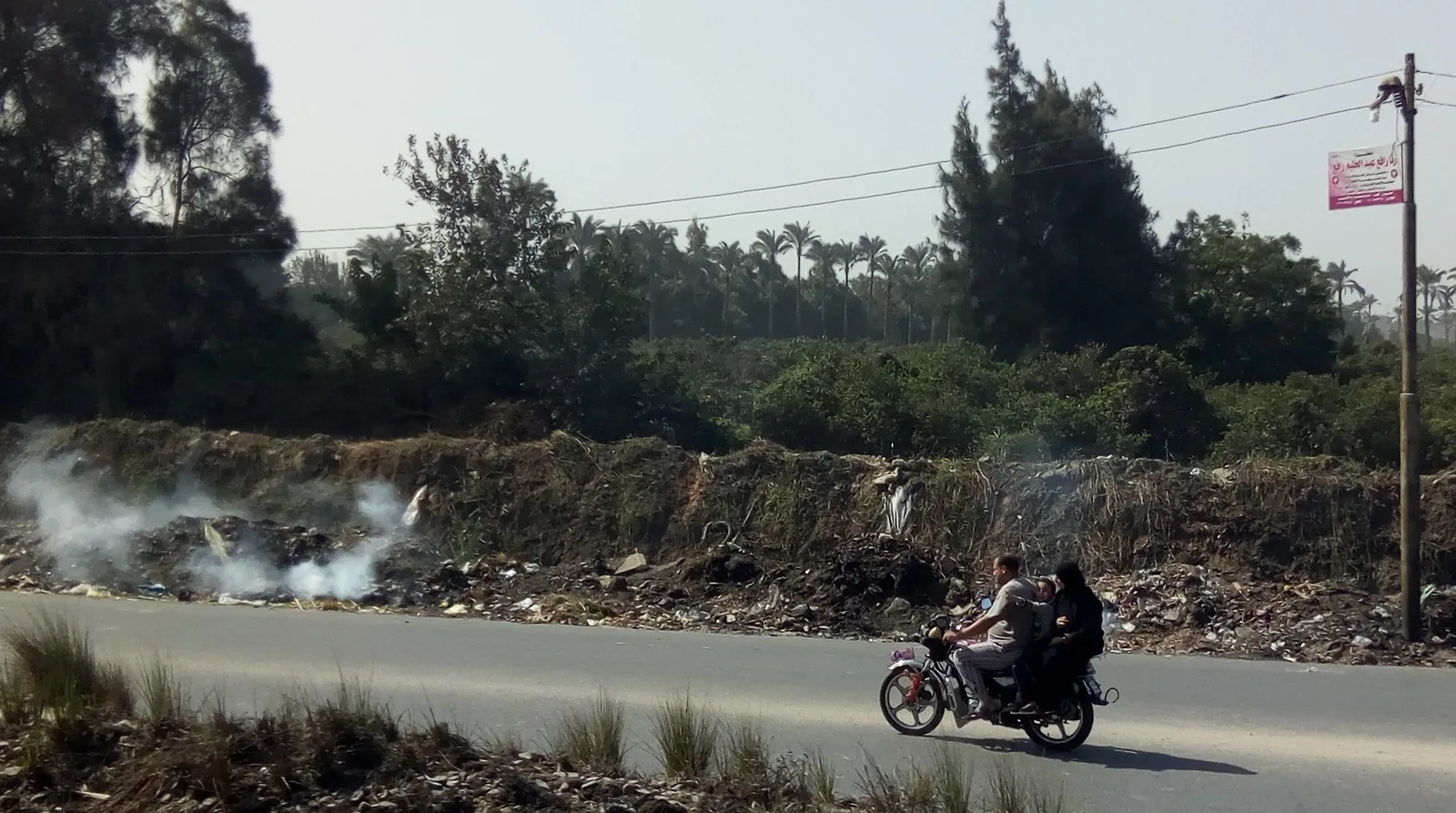
En la segunda semana de clases se repite la misma escena: un padre al manillar, un niño delante, otro detrás, la madre con las mochilas, y ni un solo casco. La prensa, citando a la CAPMAS, señala un salto en las muertes de 190 a 897 entre 2020 y 2024, mientras Cochrane muestra que el casco solo reduce el riesgo de muerte un 42%. La ley castiga la cabeza descubierta desde 1999, multa elevada en 2008. ¿Por qué no cumplimos?
23 de septiembre de 2026 · 8 min de lectura

«Un enganche al cable» no es viveza: el robo de electricidad es un delito que paga todo el barrio
Un cable pelado que cuelga de un poste hasta un balcón, un aire acondicionado con un contador inmóvil, y un fusible que salta por tercera vez, dejando a oscuras al vecino que sí paga su factura. El artículo 71 de la Ley de Electricidad llama a esto apropiación indebida de corriente, castigada con prisión y multa, mientras una reforma más dura espera a la Cámara. ¿Qué pierde toda una calle por un enganche? ¿Cuál es la alternativa correcta?
14 de septiembre de 2026 · 7 min de lectura