Hacer frente a las guerras de cuarta generación: así combatimos los rumores con método científico
No somos un simple transmisor de noticias: somos la primera plataforma informativa que asume públicamente el combate contra las guerras de cuarta generación. En este artículo explicamos al lector en qué consisten estas guerras y cómo se fabrican los rumores para golpear la economía de Egipto y su paz social, desvelamos los pasos de nuestro método científico de verificación de la mano de expertos y especialistas, y contamos cómo puede el ciudadano inmunizarse antes de pulsar el botón de compartir.

Desde el primer día, esta plataforma asumió un compromiso que ninguna otra plataforma informativa había asumido antes que ella: enfrentar de manera declarada y sistemática las guerras de cuarta generación, esas guerras que no se libran con tanques ni aviones, sino con el rumor, la mentira y la imagen manipulada. Hoy ponemos ese método en manos del lector con total transparencia, porque el lector es nuestro primer aliado en esta batalla.
La expresión «guerras de cuarta generación» no es un invento periodístico: apareció en la literatura militar estadounidense a finales de los años ochenta del siglo pasado, en un célebre artículo publicado en 1989 por la revista «Marine Corps Gazette» y firmado por William Lind y sus colegas. La idea, en pocas palabras, es que las guerras modernas ya no se libran solo en los frentes de combate: se han trasladado a la mente de las personas, allí donde se difuminan las fronteras entre la guerra y la política, entre el combatiente y el civil, y donde la manipulación de la información se convierte en un arma cuyo efecto iguala al de los cañones y los misiles.
En estas guerras, el rumor no es una mentira pasajera que alguien lanza para entretenerse, sino un producto fabricado con esmero: suele partir de un pequeño grano de verdad, luego se envuelve en exageración y tergiversación, se le inyecta miedo o ira y se lanza en un momento calculado —justo antes de una decisión económica, en plena crisis o en vísperas de una fecha nacional— para lograr la máxima difusión y el máximo daño.
Sus patrones son conocidos y están documentados en la literatura académica y periodística de todo el mundo: una foto antigua de otro país difundida como un hecho ocurrido ayer en Egipto; una declaración inventada atribuida a un funcionario que jamás la pronunció; la captura de pantalla retocada de un comunicado oficial; el anuncio de una escasez inminente que empuja a la gente a comprar con pánico y crea así la misma crisis que decía anunciar; y cifras económicas amputadas de su contexto para insinuar un derrumbe que no existe.
¿Y por qué se elige a Egipto como blanco? Porque un rumor económico, cuando la gente lo cree, se convierte en acción: acaparamiento de productos, pánico en los mercados, presión sobre la moneda y retraimiento de la inversión. Y porque un rumor que siembra discordia, si se propaga, desgarra el tejido que une a los hijos de un mismo país. El objetivo último de estas campañas no es engañar a una persona, sino agotar a toda una sociedad y golpear su confianza en sí misma y en sus instituciones.
¿Cómo lo afrontamos? Nuestro primer paso es rastrear la fuente. De cada afirmación que nos llega preguntamos: ¿dónde apareció por primera vez?, ¿en una cuenta verificada o en una página anónima creada hace unos días?, ¿quién la difundió y por qué?, ¿a quién beneficia su propagación? El rumor fabricado siempre deja huellas que delatan a su autor.
El segundo paso es reunir pruebas: volvemos al documento original y al comunicado oficial completo, no al fragmento que circula; usamos la búsqueda inversa de imágenes para destapar las tomas recicladas; examinamos fechas, lugares y los pequeños detalles que delatan la falsificación; y cotejamos las cifras que circulan con los datos publicados por sus fuentes originales.
El tercer paso —el corazón de nuestro método— es recurrir a expertos y especialistas. No nos conformamos con la opinión del redactor: sometemos la afirmación económica a catedráticos de economía, la médica a los médicos y la jurídica a los juristas, y el experto aparece con su nombre y su cargo para responder de su opinión ante el lector. Así la verificación deja de ser una impresión periodística y se convierte en un testimonio científico.
Cuarto paso: clasificar las pruebas y emitir un veredicto público. Cada investigación termina en un dictamen claro conforme a una escala publicada: verdadero, parcialmente verdadero, engañoso, falso o satírico. Junto al veredicto exponemos, paso a paso, las pruebas sobre las que lo construimos, para que el lector pueda juzgar nuestro propio método. Y si nos equivocamos, corregimos el error en público: la credibilidad solo se levanta sobre la transparencia.
Pero la línea de defensa más fuerte no somos nosotros: eres tú. La vacuna contra el rumor empieza con un instante de pausa antes de pulsar «compartir». Pregúntate: ¿cuál es la fuente de esta noticia?, ¿tiene una fecha clara?, ¿la publicó una entidad conocida que responde por lo que difunde?, ¿y por qué esta publicación me empuja a la ira o al miedo intenso? El contenido que sacude tus emociones con violencia suele ser, precisamente, contenido diseñado para eso.
Hay herramientas sencillas al alcance de cualquier ciudadano: busca el origen de una imagen antes de creerla, consulta las cuentas y los sitios oficiales del organismo implicado y desconfía de los mensajes que empiezan con «reenviado tal como me llegó», porque esa frase es una confesión abierta de que quien lo reenvía no ha verificado ni una sola palabra. Y una regla de oro: si no puedes confirmarlo, no lo compartas; callar ante un rumor es mil veces mejor que difundirlo.
Esta es una batalla larga que no acaba con una investigación ni con cien. Nos comprometemos ante ti con el método científico, con el especialista de nombre y cargo conocidos, con el veredicto razonado y con la corrección pública cuando erramos. Y te pedimos una sola cosa: que hagas de la verificación un hábito diario, como lavarte las manos. Porque cuando cada ciudadano se detiene un segundo antes de compartir, las guerras de cuarta generación pierden su arma más afilada: nuestros propios dedos.
Noticias relacionadas
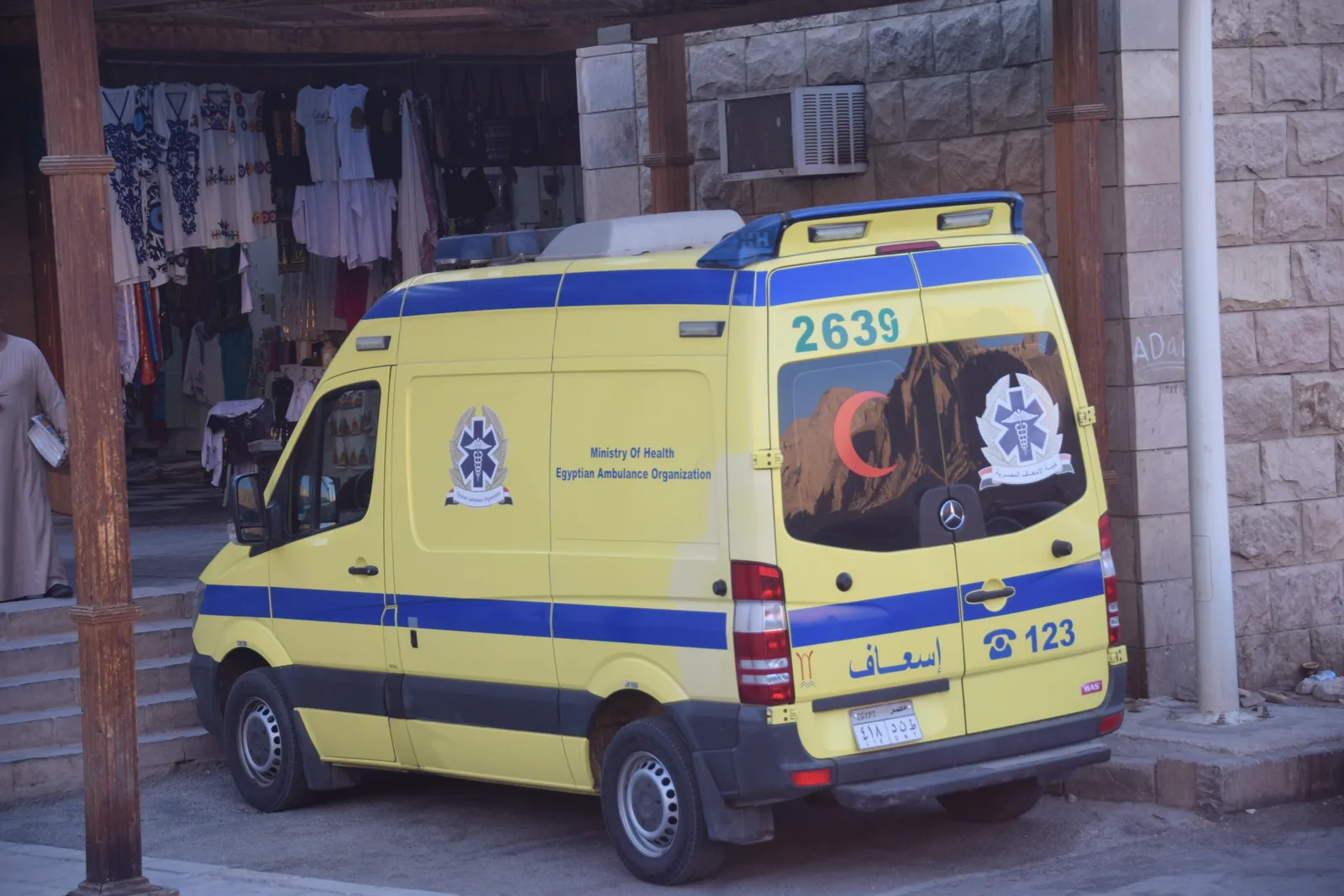
«Tosa con fuerza para sobrevivir solo a un infarto»: el mensaje de WhatsApp de Egipto que la medicina desmiente
Un mensaje en cadena llega a casi todos los teléfonos de Egipto: si sufre un infarto estando solo, tosa con fuerza y a ritmo hasta que el corazón recupere su ritmo. La Asociación Estadounidense del Corazón rechaza expresamente la «RCP por tos», el mensaje confunde infarto con paro cardíaco, y cada minuto perdido tosiendo en vez de llamar al 123, la ambulancia gratuita, se resta de la vida del paciente. Esto es lo que dice la medicina.
28 de septiembre de 2026 · 7 min de lectura
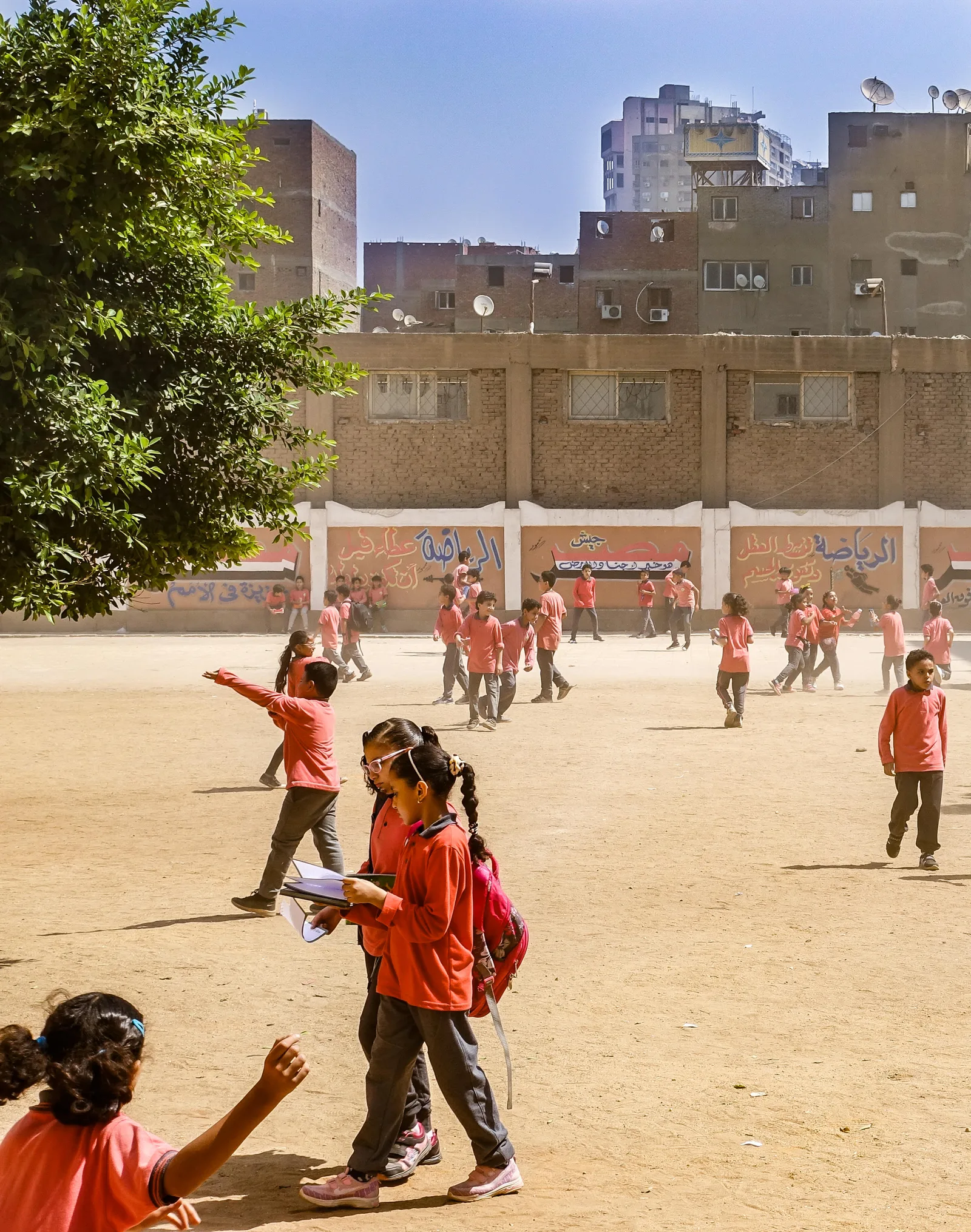
«Leer con poca luz estropea la vista»: lo que confirman los oftalmólogos y el riesgo real que los padres pasan por alto
Con la vuelta del estudio nocturno bajo una sola bombilla regresa la vieja advertencia: «Te vas a quedar ciego». Comprobamos la afirmación palabra por palabra y encontramos a los oftalmólogos de acuerdo: la luz tenue y sentarse cerca de la pantalla cansan la vista, pero no la dañan. Pero detrás de ese alivio se esconde un peligro real que la mayoría de los hogares ignora, y las estimaciones regionales colocan a los niños de Egipto a la cabeza.
19 de septiembre de 2026 · 7 min de lectura
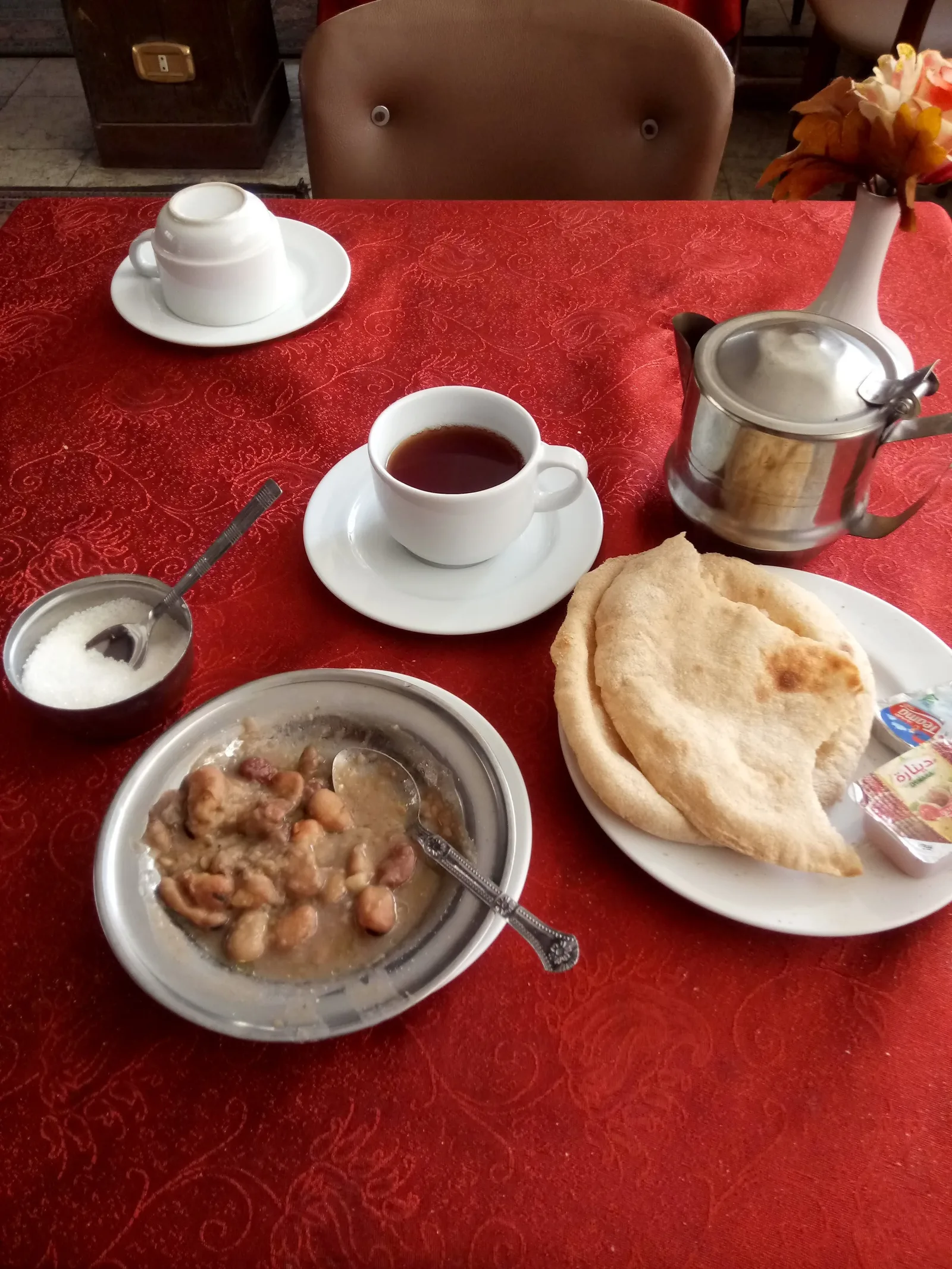
«El té tras la comida bloquea el hierro»: la advertencia de las madres, confirmada por la ciencia
Es raro que una advertencia salida de la cocina egipcia sea respaldada por el laboratorio con tanta claridad. El té negro tomado con la comida reduce en proporciones asombrosas la absorción del hierro del pan, las lentejas y las verduras, y la leche no lo remedia. La solución no es desterrar el té, sino retrasarlo una hora y añadir un trozo de limón. Exponemos las pruebas y por qué importa especialmente en Egipto.
10 de septiembre de 2026 · 7 min de lectura